
Developers•Jul 21, 02:55 PM
In-House AI PR Reviewer Benchmarked Against CodeRabbit for Azure DevOps
A small team built their own AI PR reviewer to tackle traceability and approval issues in Azure DevOps, then compared it to commercial tools.
Share:
Five shifts. Five minutes. No noise.
No spam. Unsubscribe anytime. Powered by Beehiiv.

This article dissects the advanced serial verification routine of CrackMe Level 6, focusing on Base64 decoding and custom validation logic.
A security scanner failed to detect a critical defect in the popular LangChain AI framework, highlighting blind spots in automated code analysis.

European tech funding sees major defence investments, with Wonderful raising $550M and Ukraine's Mykhailo Fedorov backing new ventures.

This week's tech news highlights the growing pains of AI agents, critical security vulnerabilities, and a renewed focus on efficiency and cost optimization across the industry.
A small team built their own AI PR reviewer to tackle traceability and approval issues in Azure DevOps, then compared it to commercial tools.
%22%20%2F%3E%0A%20%20%3C%2Fsvg%3E)
New open-source protocol separates AI decision-making from action enforcement to prevent costly agent errors.

New custom silicon aims to drastically improve AI model efficiency, potentially outperforming current TPUs.

The AI industry often restarts its growth cycle by releasing new models to mask underdelivery, a pattern mirroring Gartner's Hype Cycle.
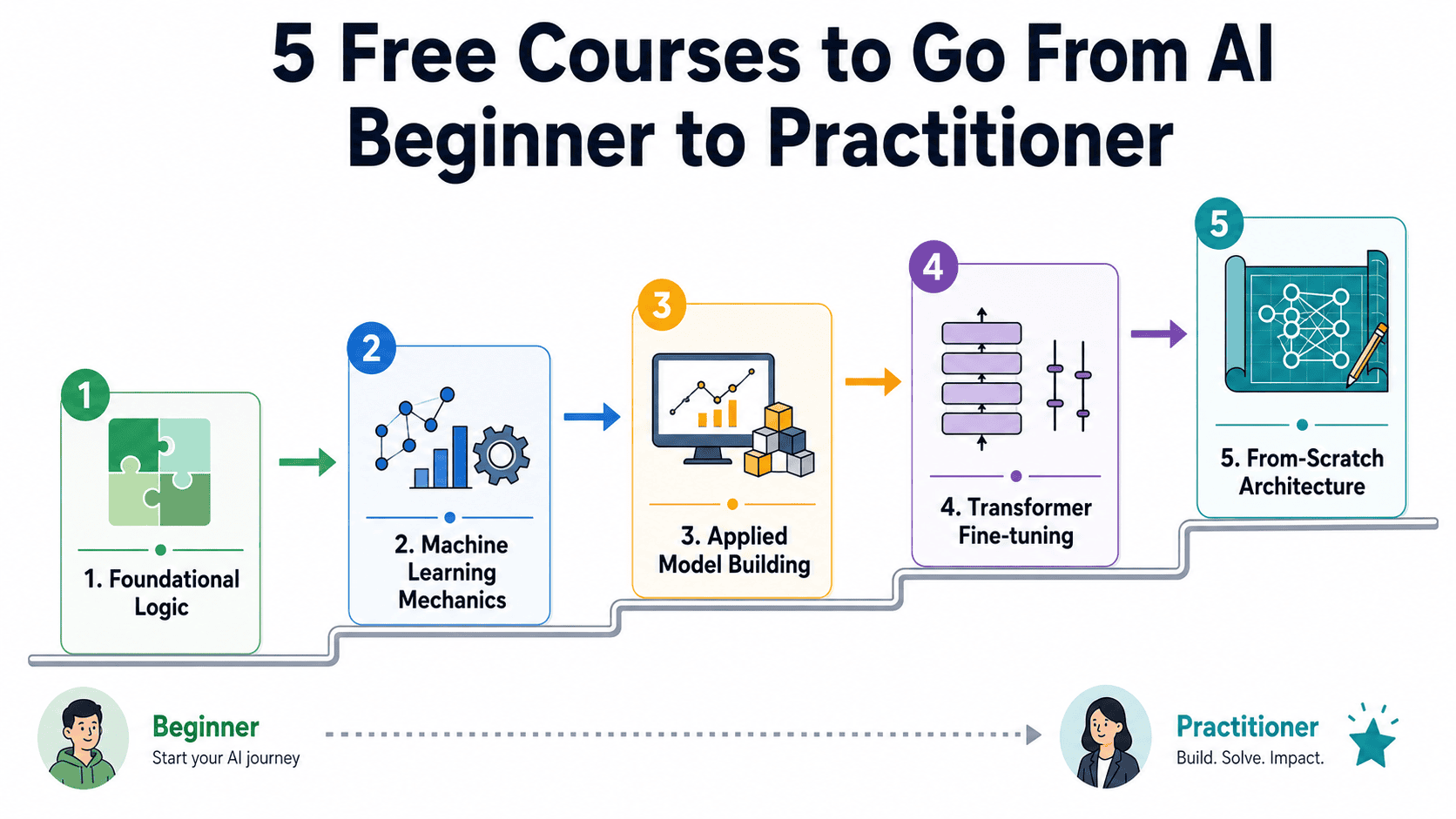
Build practical AI skills with a curated roadmap covering classical algorithms, deep learning, and LLM training.

A severe authentication bypass vulnerability in Palo Alto Networks' PAN-OS is now actively exploited by the Qilin ransomware gang for network intrusion.

While Black-founded startups saw strong Q1 2026 funding, large deals mask a persistent Series A gap. Experts outline strategies to bridge this divide.

Stop losing track of model versions and parameters. MLflow provides a robust framework for reproducible machine learning.
Teams are shifting from manual data lake management to automated control planes, driven by Apache Iceberg's near-universal adoption.

Two years after diagnosing software development's subjectivity, the author admits the proposed cure was wrong, but a new path to verifiable criteria has emerged.