Developers•Aug 27, 04:55 PM
OpenClaw Production Hosting: From Single Agent to Multi-Tenant Architecture
Running OpenClaw for multiple clients demands a shift from simple deployments to robust, multi-tenant architectures.
Share:

Five shifts. Five minutes. No noise.
No spam. Unsubscribe anytime. Powered by Beehiiv.
New multi-agent system uses code-based boolean checks to prevent autonomous agents from acting on confident but incorrect decisions.
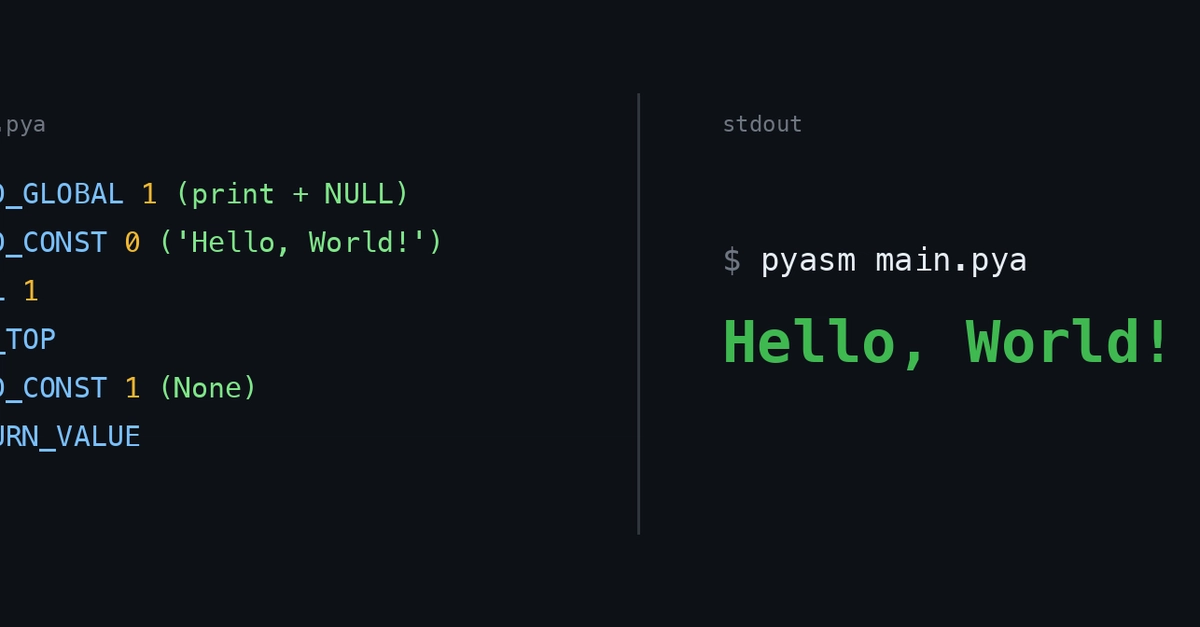
A developer has turned Python's internal bytecode into a standalone, executable file format, bypassing the traditional interpreter.
New integration simplifies sending form data from SvelteKit apps directly to your inbox.
Running OpenClaw for multiple clients demands a shift from simple deployments to robust, multi-tenant architectures.
%22%20%2F%3E%0A%20%20%3C%2Fsvg%3E)
Amazon Web Services introduces Route 53 Files, a novel service blurring the lines between DNS and object storage.
A new client-side tool parses .env files, catching quoting and format errors before deployment.

An unofficial guide details how Emacs 31 integrates a robust Markdown editing experience using the new ts-mode.
A new open-source web dashboard offers Docker management, port scanning, and more for Linux servers.
Successful AI runs are invisible to current monitoring, leaving performance drift undetected.
New open-source tool, RealDiff, offers a novel approach to detecting runtime behavioral changes in pull requests across multiple programming languages.

Flutter's popular async widgets break separation of concerns, impacting UX and testability. Developers are urged to move async boundaries away from the UI.
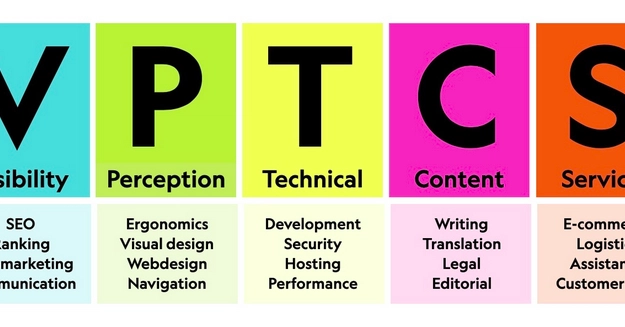
Quality Assurance now demands a holistic view, encompassing SEO, accessibility, and UX, not just functional code.

Two Laravel AI testing packages, Vizra Evals and Pest's Evals Plugin, serve distinct purposes. Know which to use when.