

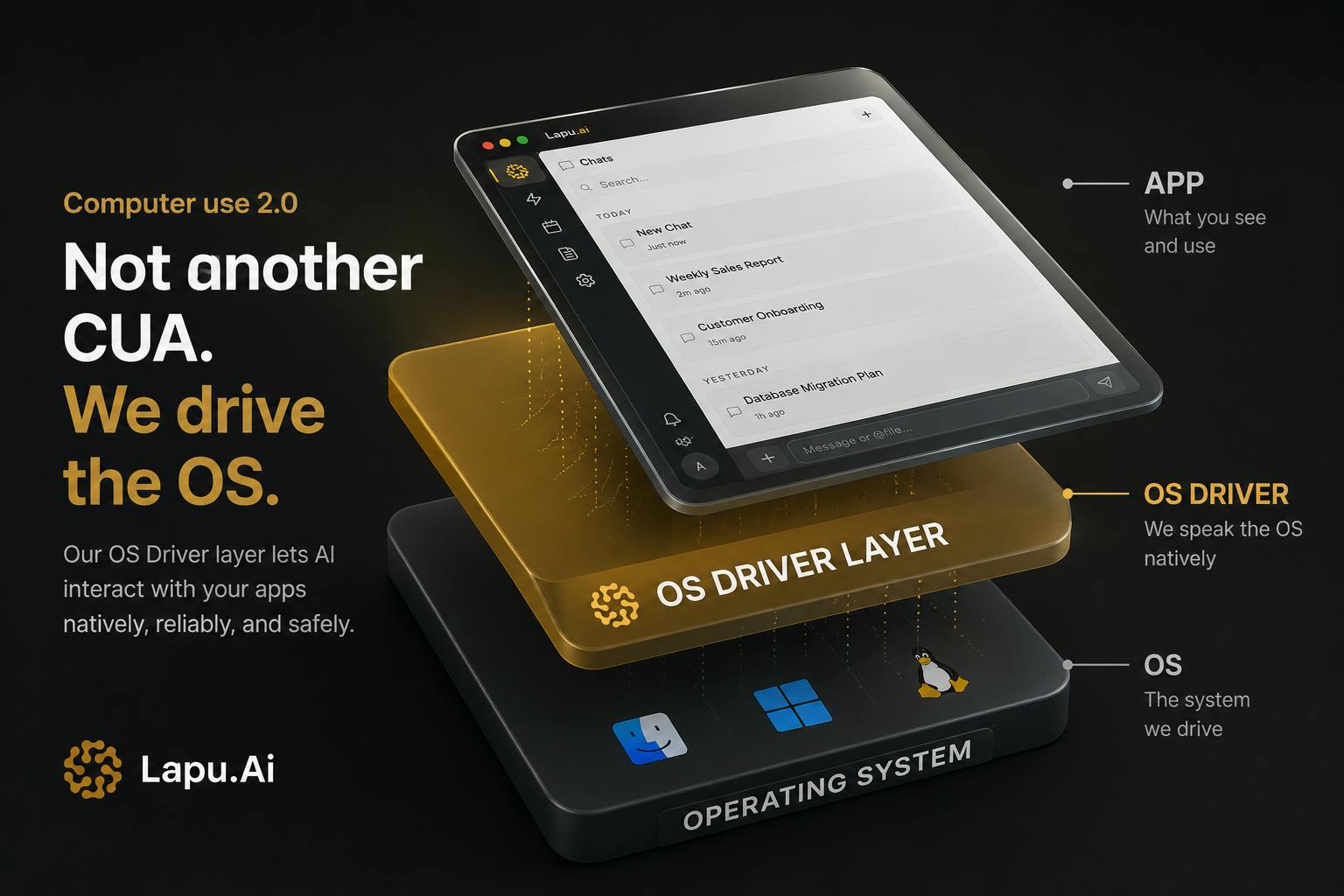
LapuAi Emerges as OS Driver for AI to Control Computers
A new contender, LapuAi, aims to bridge the gap between AI and direct computer operation, promising a future where AI agents can seamlessly interact with desktop environments.

Five shifts. Five minutes. No noise.
No spam. Unsubscribe anytime. Powered by Beehiiv.

Artificial intelligence is making strides in circuit board design, but human expertise remains crucial for complex, real-world applications.
While LLMs excel at pattern matching and task completion, fundamental limitations prevent true sentience and subjective experience.

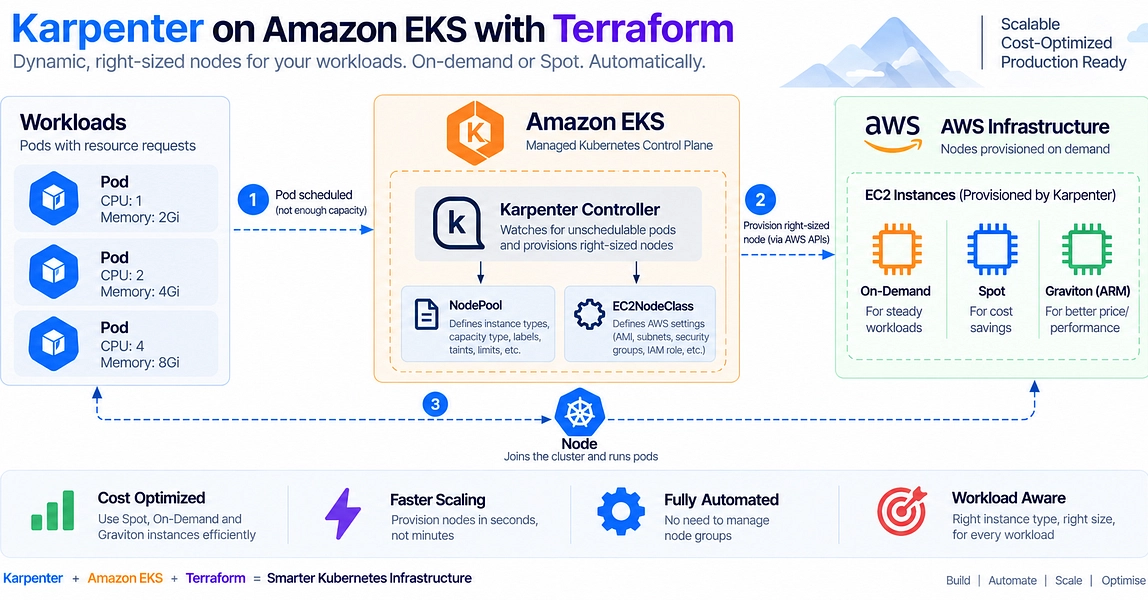
Karpenter replaces Cluster Autoscaler for EKS, launching precisely the EC2 capacity pods need, managed via Terraform.

This week's tech news highlights the growing pains of AI agents, critical security vulnerabilities, and a renewed focus on efficiency and cost optimization across the industry.

A new contender, LapuAi, aims to bridge the gap between AI and direct computer operation, promising a future where AI agents can seamlessly interact with desktop environments.

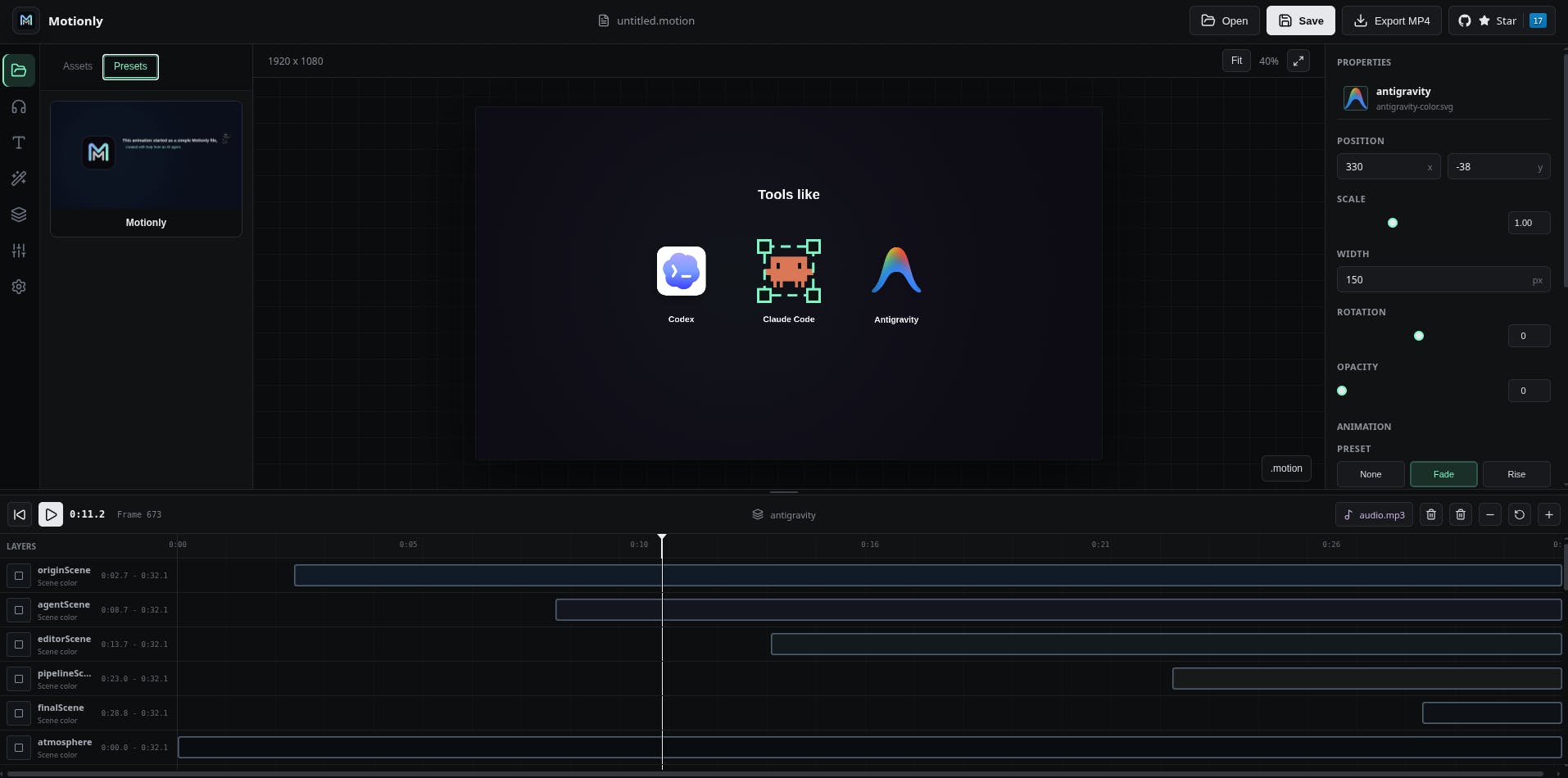
New tool aims to automate and simplify complex motion design workflows for creators.

New tool SMASH Voice to Invoice lets users generate and send quotes using just their voice, aiming to streamline the sales process.

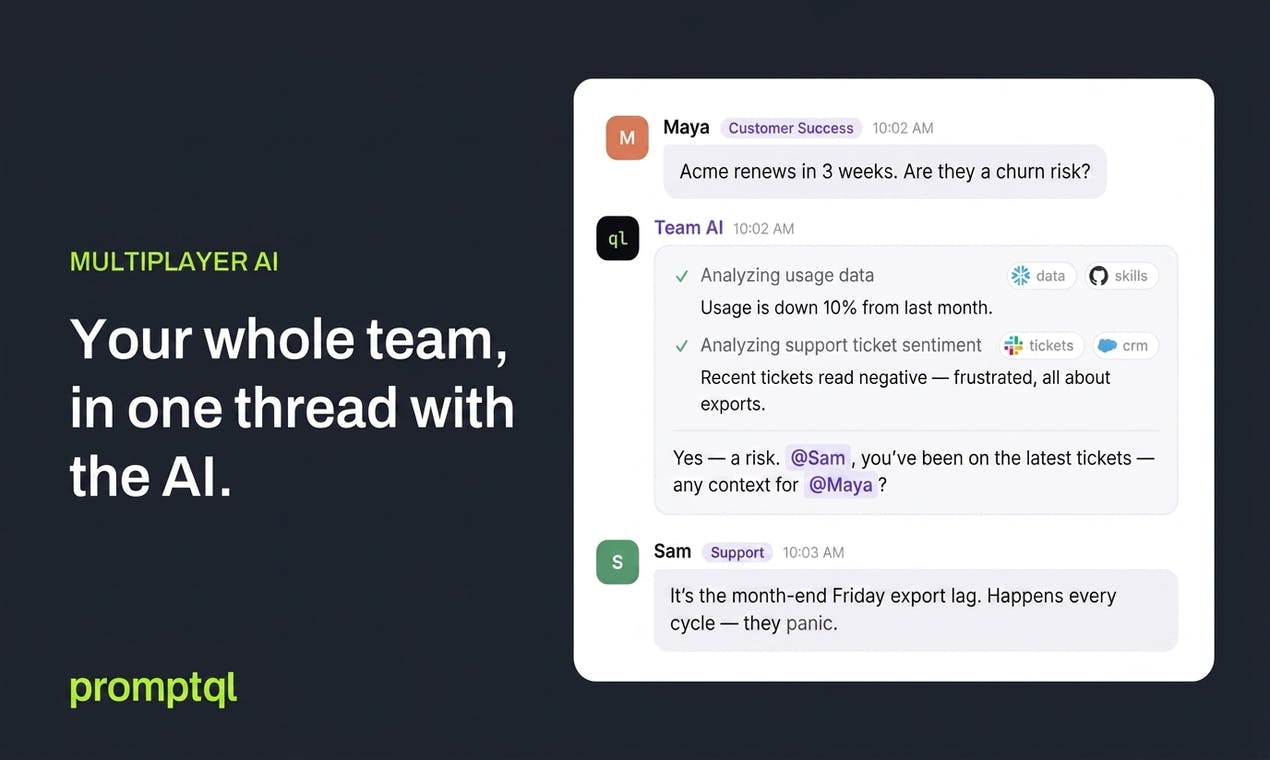
New platform integrates AI agents directly into team communication, promising a more efficient workflow.

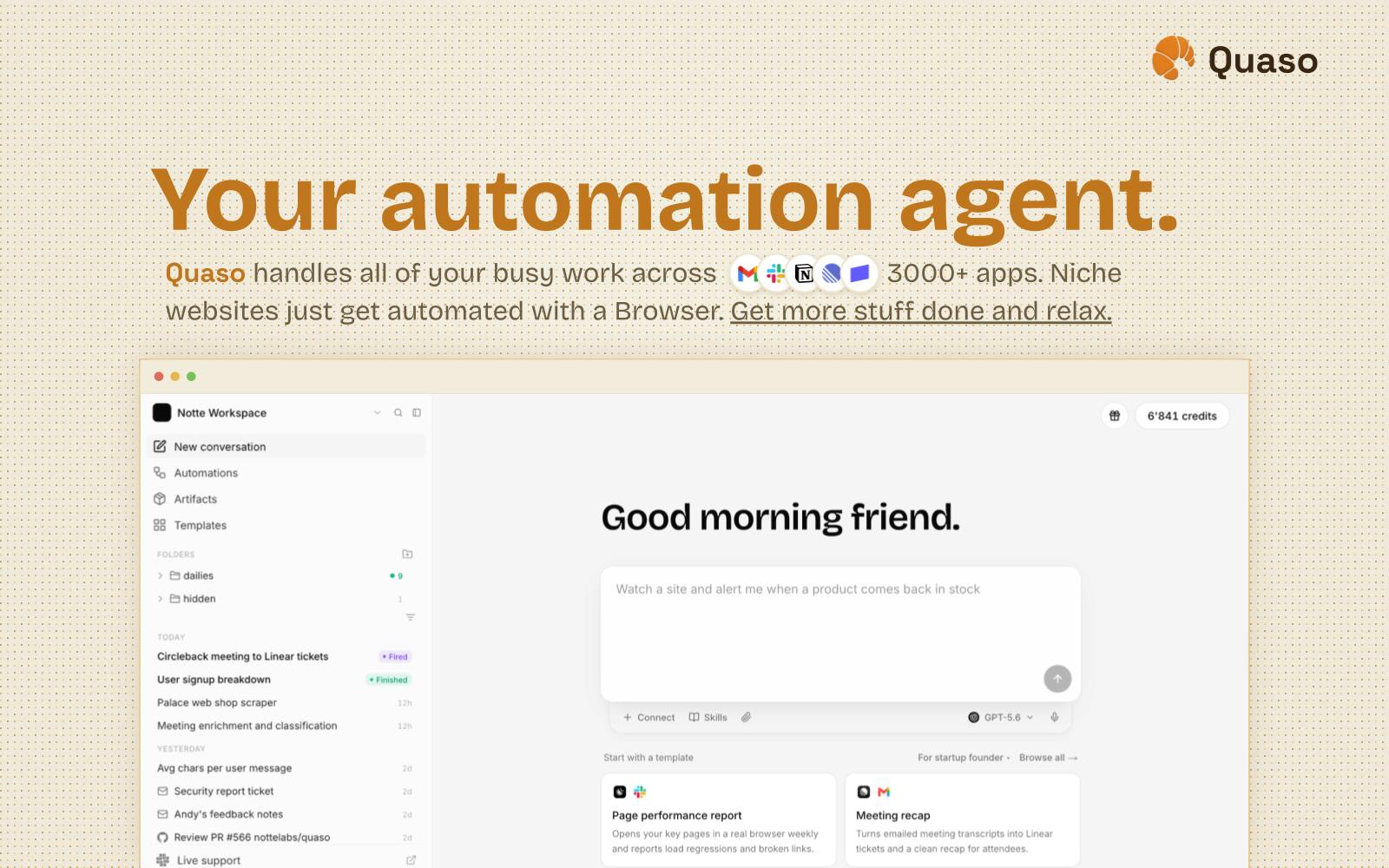
Quaso introduces an AI automation agent designed to streamline tasks across various applications and the browser.

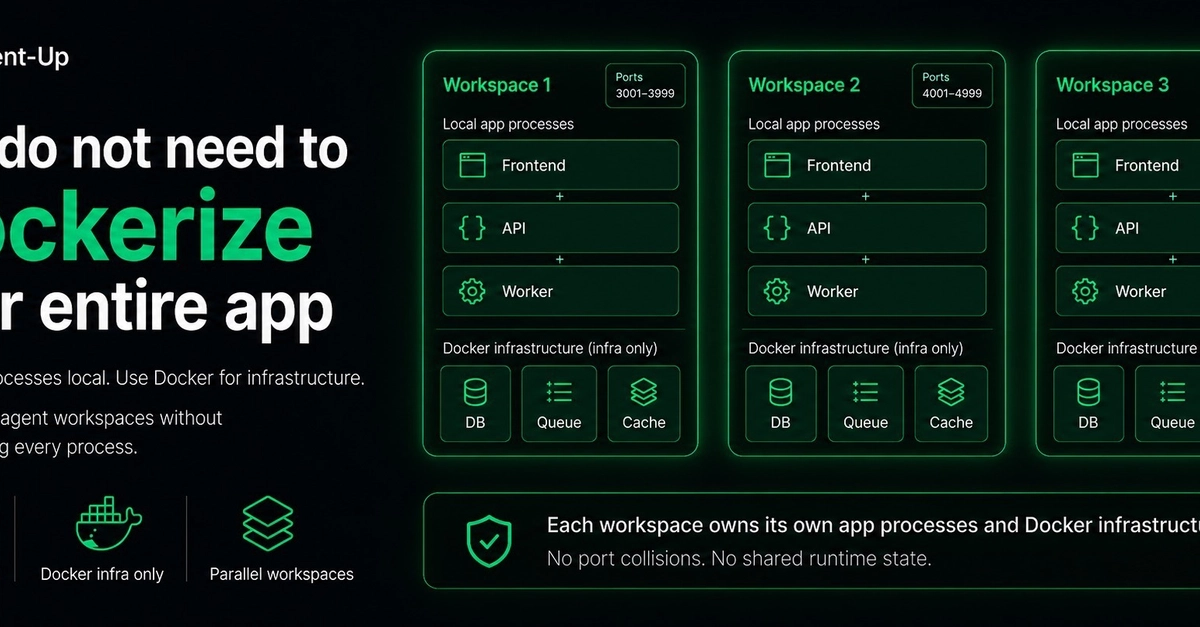
Running multiple coding agents locally doesn't require Dockerizing your entire application stack.

Nations race to secure semiconductor futures with aggressive industrial policies, but strategies vary significantly.

Testing how medical devices perform amidst real-world wireless interference is vital for patient safety and regulatory approval.

New rules mandate a minimum one-year warranty for all mobile phones sold in Kenya, impacting manufacturers and consumers.

Developers can now achieve powerful Scala and Kotlin IDE features within Emacs using Eglot, bypassing the need for IntelliJ.