
Developers•Aug 10, 02:55 AM
Rust Destructors: Explicit Problems and Three Flexible Solutions
Rust's Drop trait complicates explicit cleanup. Learn three ways to design flexible APIs that avoid these pitfalls.
Share:

Five shifts. Five minutes. No noise.
No spam. Unsubscribe anytime. Powered by Beehiiv.
Understand how Kubernetes readiness and liveness probes differ and the risks of poorly configured health checks.
A software engineer outlines a 12-iteration plan for a Go service skeleton generator, aiming to abstract boilerplate code.
New version of the AI agent framework aims to move beyond text generation to actual task execution.
Rust's Drop trait complicates explicit cleanup. Learn three ways to design flexible APIs that avoid these pitfalls.
Turn any basic Linux VPS into a dedicated home for your OpenClaw agents for continuous automation.

WebLLM and WebGPU enable a local-first CBT assistant, processing sensitive data on-device for speed and privacy.
Most AI agents fail in production despite passing dev tests. The math reveals why end-to-end reliability plummets.

New MIT-licensed plugin bypasses Claude's image generation costs by leveraging existing Codex CLI logins.

Microsoft launches an AI model marketplace and updates its cloud-native framework. See what's new.

Infrastructure as Code is key to managing the full lifecycle, from build to secure retirement.
Running a 24/7 WhatsApp AI agent requires more than a demo. Learn the architecture that survives real customer interactions.

Sunverse AI's Lawyie builds a Python pipeline for generating legally binding, cryptographically verified documents, moving beyond simple text.
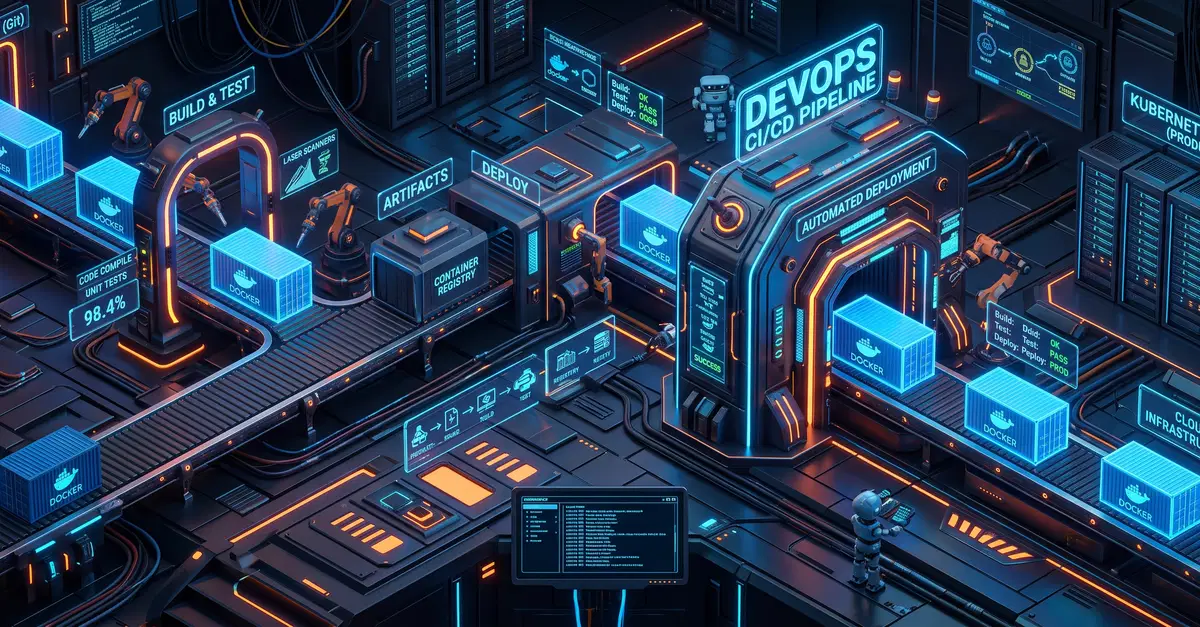
Migrating from manual Jenkins Freestyle jobs to automated Declarative Pipelines dramatically improves efficiency and maintainability.