
AI Models•Jun 29, 08:54 PM
CrowdStrike: Malicious AI Prompts Are the New Malware
Attackers are exploiting AI tools with malicious prompts, turning them into potent weapons. Here's why.
Share:

Five shifts. Five minutes. No noise.
No spam. Unsubscribe anytime. Powered by Beehiiv.
A new compilation strategy, Valent Blocks, delays code generation to optimize for both compiler speed and runtime performance.
While computing moved to personal ownership, AI remains concentrated in corporate data centers.

A seasoned technologist compares AI to a powerful tool, emphasizing human skill over autonomous intelligence.
This week saw AI agents evolve beyond simple tasks, facing complex security challenges and prompting new debates on regulation and deployment.
Attackers are exploiting AI tools with malicious prompts, turning them into potent weapons. Here's why.
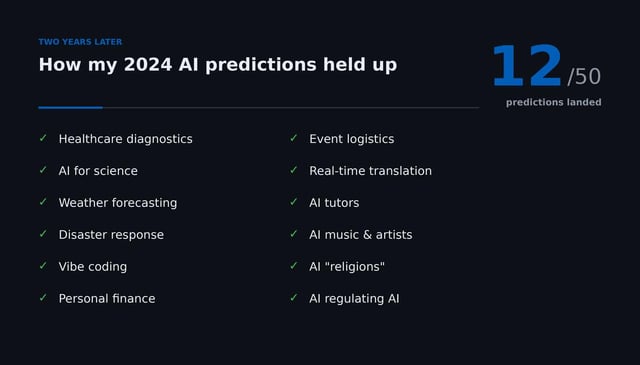
Two years on, a look back at bold AI predictions reveals surprising accuracy and humbling misses.

The expanded collaboration aims to deliver secure, on-premise AI capabilities for sensitive US government workloads.
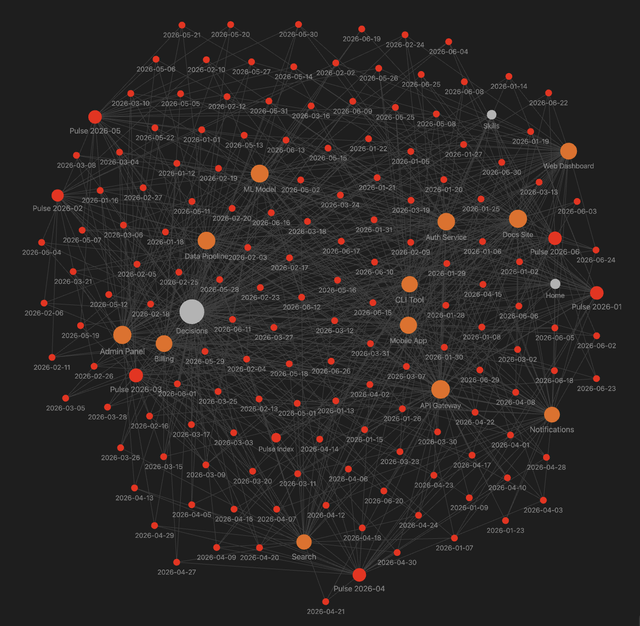
One developer's experiment with AI agents to log, summarize, and repurpose coding sessions with Claude.

Africa's first humanoid robot and AI model, Omeife, is now bridging healthcare gaps through advanced telemedicine solutions.

New open-source framework abstracts away differences between OpenAI, Anthropic, and Cohere for Ruby applications.

A deep dive into the emerging concept of Exponential Moving Average (EMA) on Low-Rank Adaptation (LoRA) for LLMs, exploring its potential and current research gaps.

Internal memos reveal Meta relied on Google's AI for critical functions, only to face capacity limits and usage crackdowns.
DeepReinforce.AI releases Ornith-1.0, a suite of self-improving models designed to tackle complex coding tasks autonomously.

Sentient Foundation launches a $42M program to counter AI centralization, backing open-source developers and startups.