The Problem: Lost in the Code Log
For many developers, the journey through complex coding projects can feel like navigating a dense forest without a map. Keeping track of decisions made, features implemented, and lingering questions is a constant challenge, especially when relying on AI coding assistants like Claude. One developer, facing this exact issue, decided to leverage AI to solve the problem of AI-assisted development documentation. The result is an automated system designed to capture, process, and repurpose every interaction with Claude Code over a three-month period.
The core motivation was simple: a persistent loss of track of his own work. This isn't a unique problem; many professionals struggle with maintaining detailed, actionable logs of their development process. When AI tools become integral to that process, the volume and complexity of the interaction data can exacerbate the issue. This project represents a pragmatic approach to turning that raw interaction data into structured, useful output, effectively building a memory for the developer's AI coding partner.
Building the Automated Documentation Pipeline
The solution involves a multi-agent system, each tasked with a specific role in processing the raw session data. The process begins with the daily capture of every Claude Code session. These raw logs, which likely contain a mix of prompts, code snippets, AI responses, and conversational exchanges, are the raw material.
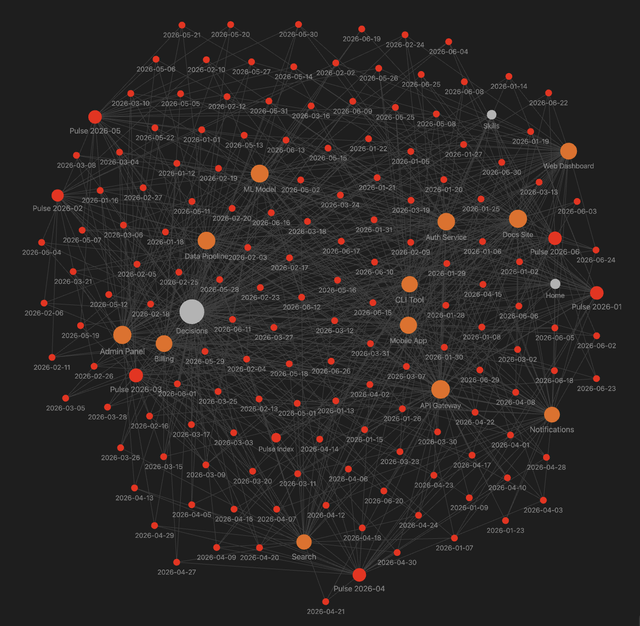
Each night, the first agent swings into action. Its primary function is to distill the day's raw sessions into a single, coherent note. This note is structured to cover three critical aspects: what was built, what decisions were made during the session, and what tasks or questions remain open. This nightly summarization ensures that even if the developer forgets the specifics of a particular day's work, a clear, concise record exists. Think of it less like a simple transcript and more like a diligent lab assistant meticulously logging experimental procedures, outcomes, and next steps, but for code.
Weekly Synthesis and Skill Profiling
Building on the daily notes, a second agent takes over on a weekly basis. Its task is to aggregate the individual daily notes into a broader profile. This weekly report focuses on synthesizing the developer's skills and the progress of various projects. This level of abstraction is crucial for understanding the larger trajectory of the work, identifying patterns in skill application, and assessing project momentum. It moves beyond day-to-day task management to strategic overview.
This weekly synthesis is particularly valuable for project managers, team leads, or even solo developers looking to self-assess. It provides a bird's-eye view that can highlight areas of strength, potential bottlenecks, or emerging expertise. By analyzing the types of problems solved and the code generated, this agent effectively creates a dynamic performance review, powered by AI, that reflects actual project work.
Content Generation for Professional Presence
The third agent in this pipeline addresses the challenge of maintaining an online professional presence, a task often neglected by busy developers. This agent is responsible for drafting content for platforms like LinkedIn and X (formerly Twitter) based on the week's documented activities. By drawing from the summarized notes and project profiles, it can generate posts that highlight achievements, share insights, or announce progress. This automation streamlines content creation, ensuring that valuable project work is reflected externally without demanding significant manual effort from the developer.
The sophistication of this third agent lies in its ability to translate technical work into engaging, shareable content. It needs to understand what aspects of the development process are most interesting or relevant to a professional network. This could range from explaining a novel technical challenge overcome to showcasing a new feature implemented. The open-sourcing of the project suggests that the developer is sharing the tools that enable this translation, potentially offering a blueprint for others to do the same.
Technical Implementation and Cloud Operations
The entire system is designed to run as cloud routines. This architecture ensures that the agents operate continuously, even when the developer's local machine is turned off or disconnected. Cloud-based execution provides reliability and scalability, allowing the system to handle the ongoing stream of session data without interruption. This approach is akin to setting up a perpetual, automated assistant that works tirelessly in the background.
The choice of cloud routines implies an underlying infrastructure that can trigger scripts on a schedule (daily, weekly) and manage the execution of these AI agents. This could involve serverless functions, scheduled tasks, or containerized applications running on a cloud platform. The open-sourcing of the project is a significant detail, indicating that the code and methodology are publicly available, inviting collaboration and further development from the community. This move democratizes access to such advanced automation for AI-assisted workflows.
The Unanswered Question: Data Privacy and AI Training
While this system brilliantly automates documentation and content generation, a crucial question emerges regarding the data itself. The developer is recording *every* Claude Code session. What happens to this extensive log of development activity? Are these logs used to further train Claude, or any other AI model, without explicit consent beyond the initial use? The privacy implications of feeding detailed, proprietary code interactions back into AI models, even if anonymized, are substantial. For developers and companies building sensitive IP, understanding the full lifecycle and potential secondary uses of this interaction data is paramount. This experiment highlights a powerful automation capability, but it also underscores the ongoing need for transparency and control over the data generated through AI-assisted work.