
AI Models•Jun 29, 08:54 PM
Palantir and Nvidia Boost US Government Sovereign AI with Expanded Partnership
The expanded collaboration aims to deliver secure, on-premise AI capabilities for sensitive US government workloads.
Share:
Five shifts. Five minutes. No noise.
No spam. Unsubscribe anytime. Powered by Beehiiv.
A two-stage architecture handles diverse home automation data, from plain text to embedded JSON.
AI agents face a memory bottleneck. Simply expanding context windows isn't the answer; biological intelligence offers a better model: consolidation.
Running an LLM agent on a static site sounds free, but the hidden costs are in compute time.
This week's tech news highlights the growing pains of AI agent autonomy, the critical need for cloud cost management, and evolving security paradigms.
The expanded collaboration aims to deliver secure, on-premise AI capabilities for sensitive US government workloads.
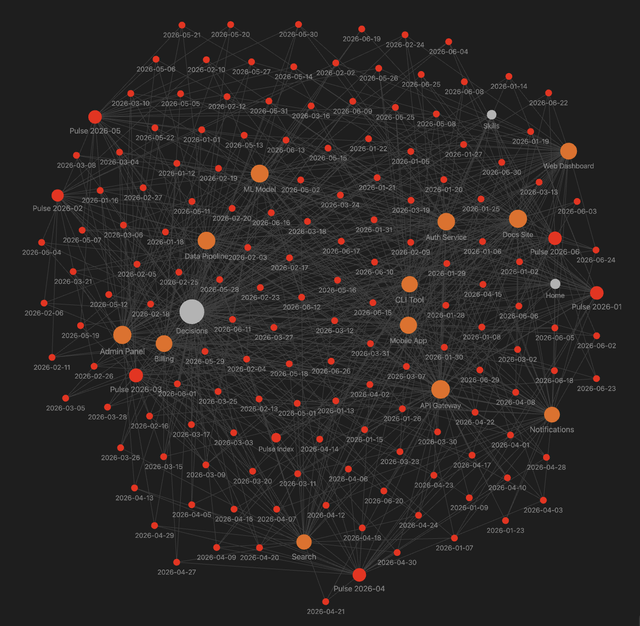
One developer's experiment with AI agents to log, summarize, and repurpose coding sessions with Claude.

Africa's first humanoid robot and AI model, Omeife, is now bridging healthcare gaps through advanced telemedicine solutions.
New open-source framework abstracts away differences between OpenAI, Anthropic, and Cohere for Ruby applications.
A deep dive into the emerging concept of Exponential Moving Average (EMA) on Low-Rank Adaptation (LoRA) for LLMs, exploring its potential and current research gaps.

Internal memos reveal Meta relied on Google's AI for critical functions, only to face capacity limits and usage crackdowns.
DeepReinforce.AI releases Ornith-1.0, a suite of self-improving models designed to tackle complex coding tasks autonomously.
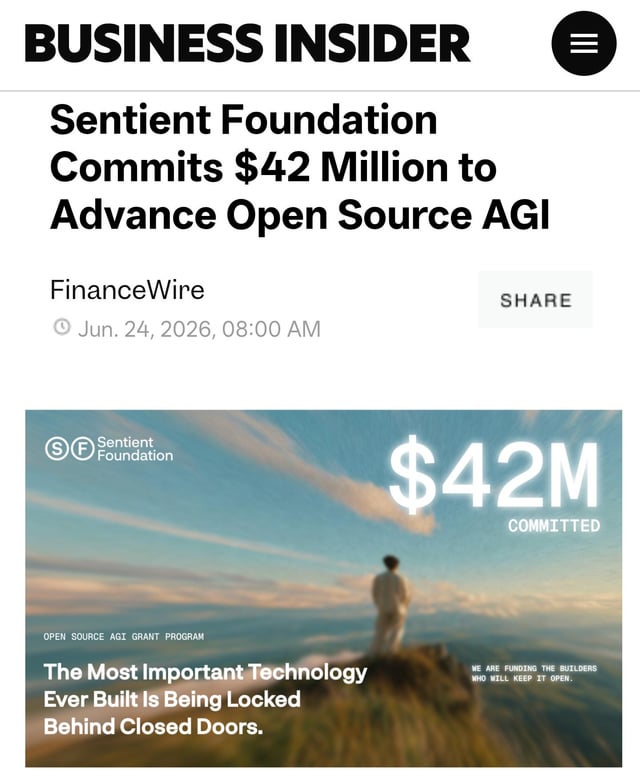
Sentient Foundation launches a $42M program to counter AI centralization, backing open-source developers and startups.
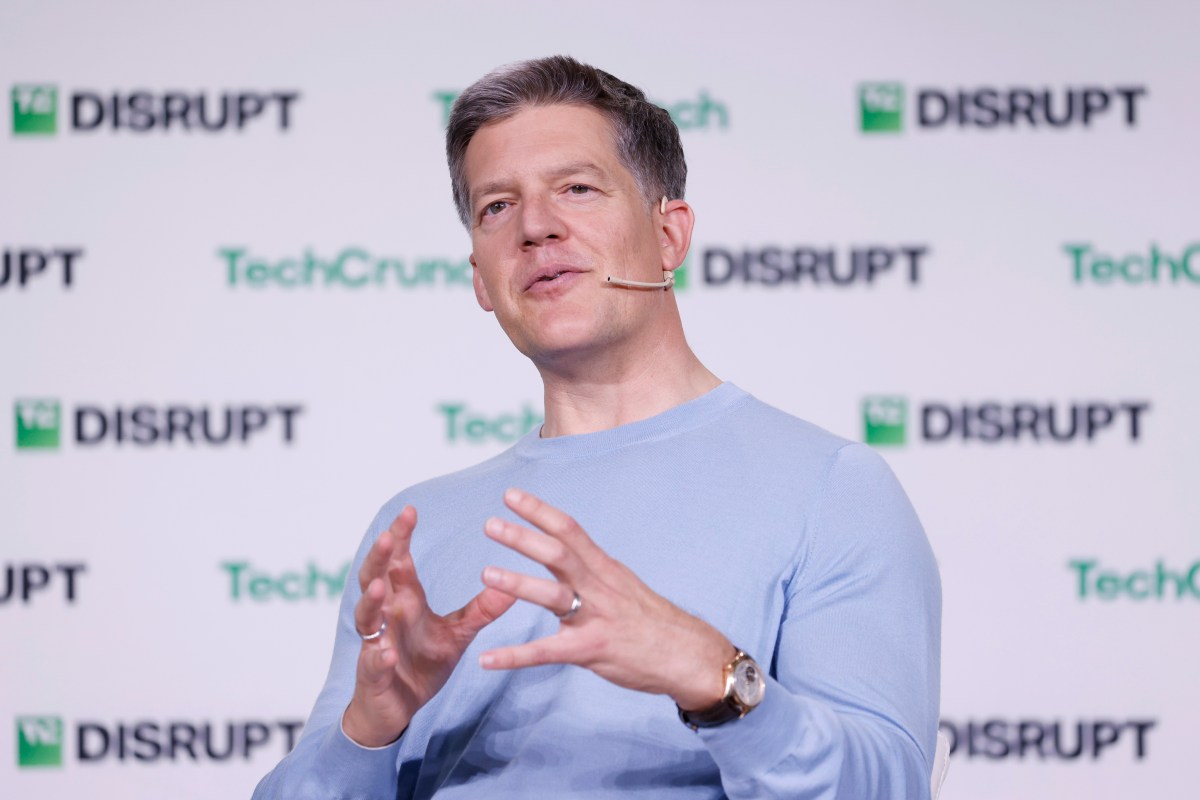
Former Sequoia Capital partner Roelof Botha joins SpaceX's board, filling a vacancy after the company's massive public offering.

Developers worldwide will soon pay lower commissions on Google Play, a direct result of the Epic Games legal battle.