
Play Store Commission Rates to Fall Globally
Google has begun implementing lower commission rates on its Play Store, a significant shift triggered by the settlement with Epic Games. This move will see developers paying reduced fees on app and in-app purchases, a change that was mandated as part of the legal resolution. While the initial rollout targets specific markets, a full global implementation is slated for 2027. This reduction aims to appease developer concerns about platform fees and foster a more competitive app marketplace.

The Genesis: Epic Games vs. Google
The impetus for this fee reduction stems directly from the protracted legal battle between Epic Games and Google. Epic, the creator of Fortnite, accused Google of anti-competitive practices regarding its Play Store policies, specifically its 30% commission on digital goods. The settlement, finalized in late 2023, required Google to make substantial changes to its Play Store business practices. One of the key concessions was a commitment to lower developer fees, a promise Google is now beginning to fulfill.
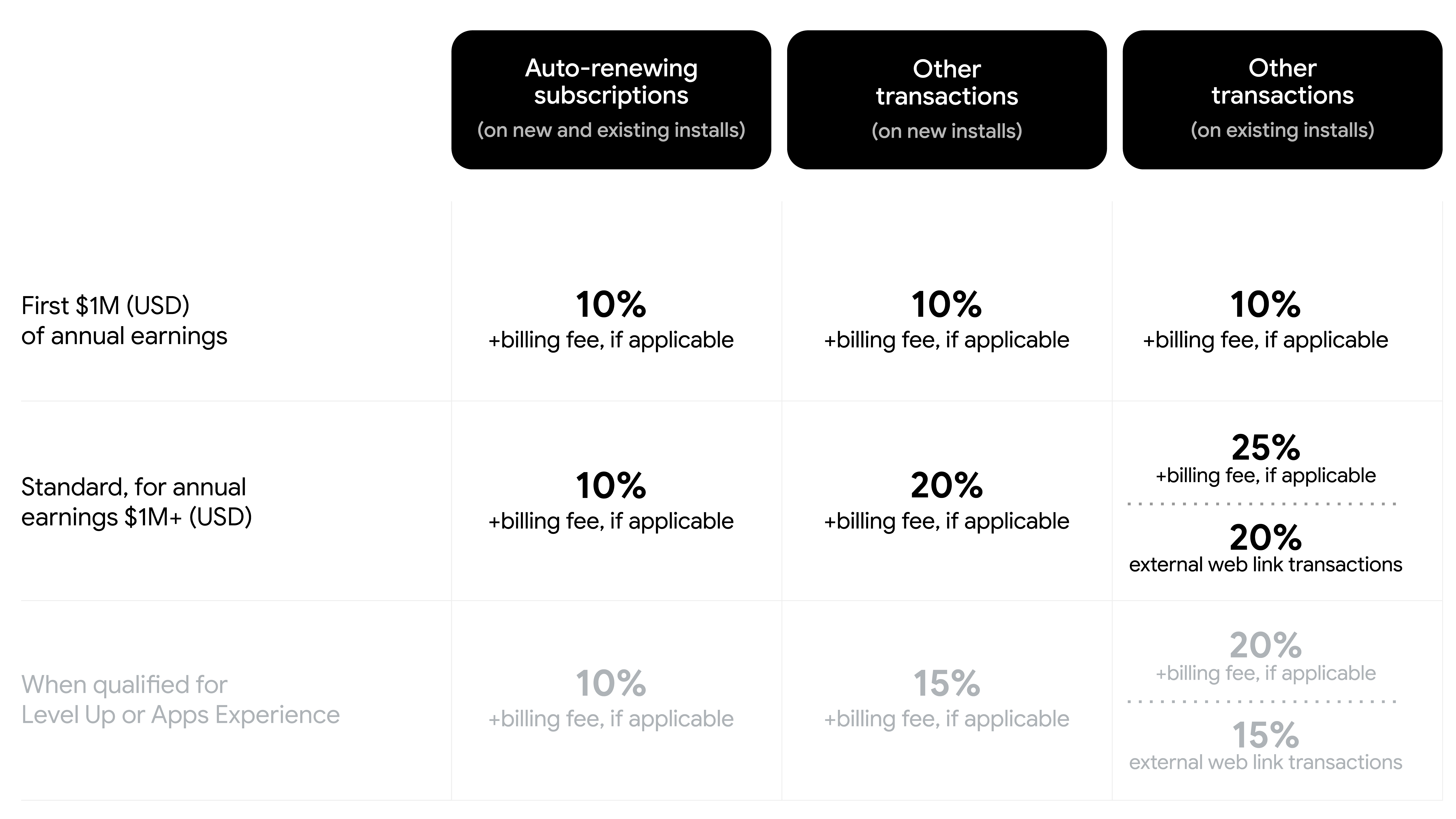
For years, the standard commission rate for apps and in-app purchases on the Play Store was 30%. This rate was a point of contention for many developers, who argued it was too high and stifled smaller businesses. In response to pressure and the legal challenge, Google had previously introduced a 15% rate for the first $1 million in revenue per year. However, the Epic settlement pushed for broader and more substantial reductions.
Phased Rollout and Future Implications
The current phase of fee reduction is being rolled out in additional markets this year, with a comprehensive global rollout scheduled for 2027. While the exact percentage of the reduction and the structure of the new fee tiers are still being detailed, the commitment to lowering costs is clear. This phased approach allows Google to manage the transition and observe the impact on its ecosystem.
This adjustment is more than just a fee cut; it signals a potential recalibration of Google's relationship with its developer community. By making its platform more financially attractive, Google seeks to retain developers and encourage innovation. The move could also put pressure on other app stores, including Apple's App Store, to re-evaluate their own commission structures, potentially leading to a wider industry trend towards lower fees.
What This Means for Developers
For developers, the impending fee reduction translates directly to increased revenue retention. A lower commission means more of the money earned from users stays with the creators of the apps and games. This is particularly impactful for smaller developers and those operating on thinner margins. They can reinvest these savings into product development, marketing, or expanding their teams.
The settlement also stipulated other changes, such as allowing alternative billing systems in certain regions. While this fee reduction is a major component, the broader context of the settlement suggests a more open and flexible Play Store environment. Developers should monitor official Google Play Console announcements for precise details on the new fee structure and eligibility criteria as the global rollout progresses.
The long-term effects could include a more vibrant and diverse app ecosystem on Android. With lower barriers to entry and higher potential profitability, more developers may be encouraged to build and distribute their applications through Google Play. This could lead to a wider array of choices for consumers and a healthier competitive landscape overall. The transition, however, will require developers to stay informed about any changes to their revenue reporting and payout processes.
Broader Market Impact and Competitive Landscape
The ramifications of Google's fee reduction extend beyond its own platform. Apple, which has long maintained its own 30% (and later 15% for smaller developers) commission on the App Store, will undoubtedly face increased scrutiny and potential pressure to follow suit. The legal precedent set by the Epic Games case and Google's subsequent compliance could embolden other developers and regulators to challenge existing app store models.
This shift is a clear indication that the era of unchallenged, high app store commissions may be drawing to a close. Developers have gained a powerful ally in Epic Games, and the legal victories have translated into tangible benefits. The move by Google is a strategic response to regulatory pressure and a desire to maintain its dominant position in the mobile app market by becoming more developer-friendly. The coming years will likely see further evolution in how app stores operate and monetize their platforms.