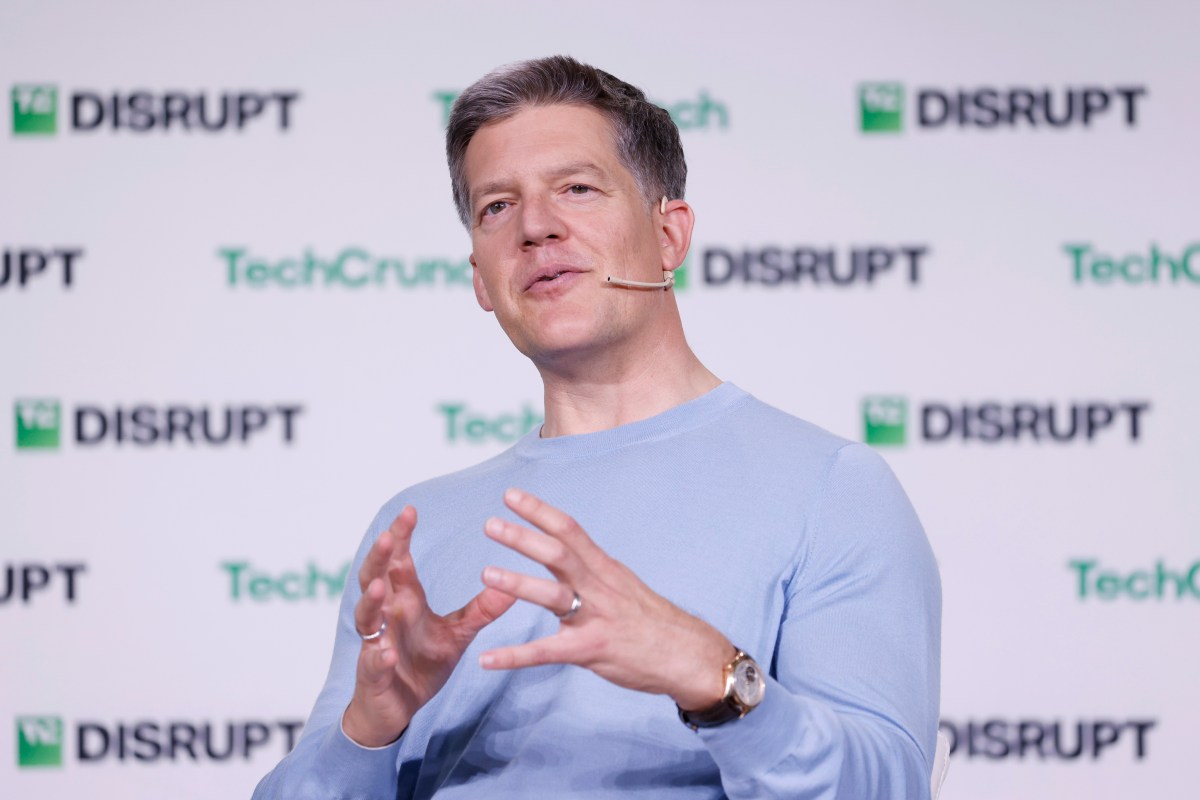
Botha Appointed to SpaceX Board
Roelof Botha, a prominent figure in the venture capital world and former managing partner at Sequoia Capital, has been appointed to SpaceX's board of directors. The announcement came less than a week after SpaceX completed its initial public offering (IPO), which was the largest in history. SpaceX confirmed the appointment in a filing with the Securities and Exchange Commission (SEC) on Wednesday. Botha's appointment is intended to fill an existing vacancy on the board and he will serve until the company's next annual shareholder meeting. He has also been assigned to the SpaceX board's audit committee, a role that suggests a focus on financial oversight following the company's public debut.
The timing of Botha's appointment is significant. SpaceX's recent IPO has propelled the company into a new era of public scrutiny and financial reporting. As a seasoned investor with a deep understanding of technology companies and their financial structures, Botha's experience is expected to be invaluable. His tenure at Sequoia Capital saw him involved in numerous successful investments, including companies that have gone public or achieved significant market valuations. His presence on the board signals a commitment from SpaceX to robust corporate governance and financial discipline as it navigates its post-IPO landscape.
SpaceX's Record-Breaking IPO
SpaceX's IPO was a landmark event, raising an unprecedented amount of capital and valuing the company at a staggering figure. While specific details of the IPO valuation and the amount raised are subject to regulatory filings, reports indicated it surpassed all previous public offerings. This move from a privately held, albeit widely known, entity to a publicly traded corporation marks a pivotal moment for the aerospace giant. The capital infusion from the IPO is expected to fuel SpaceX's ambitious long-term projects, including its Starship program, satellite internet expansion, and deep space exploration initiatives. The transition to public markets also brings increased transparency requirements and a need for strong leadership to guide the company's strategic direction.
The decision to go public was likely driven by a combination of factors. The immense capital required for SpaceX's ambitious goals, such as establishing a self-sustaining presence on Mars and developing a robust orbital infrastructure, necessitates access to public markets. Furthermore, the IPO provides liquidity for early investors and employees, allowing them to realize returns on their long-term commitment. However, it also subjects SpaceX to the volatility of public markets and the demands of shareholders for consistent growth and profitability. The company's ability to balance its long-term vision with short-term financial performance will be a critical challenge.
Implications of Botha's Audit Committee Role
Botha's appointment to the audit committee is particularly noteworthy. This committee typically oversees financial reporting, internal controls, and the engagement of independent auditors. For a company that has historically operated with the agility and relative opacity of a private entity, establishing a strong audit function is crucial post-IPO. This role underscores SpaceX's commitment to adhering to rigorous financial standards and maintaining investor confidence. Botha's expertise in evaluating business models and financial health will be instrumental in ensuring that SpaceX's financial statements are accurate and that its internal controls are robust enough to prevent fraud and mismanagement.
The audit committee plays a vital role in corporate governance. It acts as a bridge between the board of directors, management, and the external auditors. Its responsibilities include reviewing quarterly and annual financial statements, assessing the effectiveness of internal financial controls, and overseeing the audit process. Given the scale and complexity of SpaceX's operations, including its various divisions like Starlink and its ambitious spaceflight programs, the audit committee will have a demanding mandate. Botha's background in assessing and scaling technology companies, coupled with his understanding of financial markets, positions him well to contribute significantly to this committee.

The Broader Landscape of Tech Boards
The appointment of a high-profile venture capitalist like Roelof Botha to the board of a major tech company is not uncommon, especially following a significant financial event like an IPO. Venture capital firms often have a vested interest in the governance and strategic direction of their portfolio companies, and board seats are a primary means of exercising that influence. However, Botha's move to SpaceX, a company with a unique mission and a complex operational structure, suggests a deeper strategic alignment. SpaceX is not just another software or hardware company; it operates at the cutting edge of aerospace engineering and interplanetary exploration, industries with exceptionally high barriers to entry and capital requirements.
The presence of individuals with diverse expertise on a company's board is increasingly recognized as a key factor in long-term success. While SpaceX has a formidable team of engineers and operational leaders, the addition of a seasoned financial strategist like Botha brings a different, yet complementary, skillset. His experience in navigating the capital markets, understanding investor expectations, and advising on growth strategies will be critical as SpaceX scales its operations and pursues its ambitious roadmap. The interplay between technical visionaries and financial strategists on a board can often be the difference between a company that merely survives and one that thrives and shapes industries.
What remains to be seen is how Botha's operational involvement will evolve. While board members provide strategic guidance, their day-to-day engagement varies. For a company with the intensity of SpaceX, the demands on board members, particularly those on key committees, can be substantial. His ability to balance this new role with any remaining advisory or investment activities will be a point of observation for industry watchers.