
Developers•Aug 6, 08:55 PM
ESP32 Low-Allocation HTTP Library Slashes Memory Woes for Developers
A new library for ESP32 embedded systems tackles RAM fragmentation and heap issues in HTTP requests.
Share:

Five shifts. Five minutes. No noise.
No spam. Unsubscribe anytime. Powered by Beehiiv.
Understand how Kubernetes readiness and liveness probes differ and the risks of poorly configured health checks.
A software engineer outlines a 12-iteration plan for a Go service skeleton generator, aiming to abstract boilerplate code.
New version of the AI agent framework aims to move beyond text generation to actual task execution.
A new library for ESP32 embedded systems tackles RAM fragmentation and heap issues in HTTP requests.
Autonomous AI agents require live video streams to the frontend, bridging a critical gap in observability for complex web tasks.
Managing ephemeral storage for preview environments is a hidden cost. Neon's approach integrates it with database branches, eliminating per-environment setup.
%22%20%2F%3E%0A%20%20%3C%2Fsvg%3E)
New open-source SDK aims to bridge the gap between AI agents and popular communication platforms.
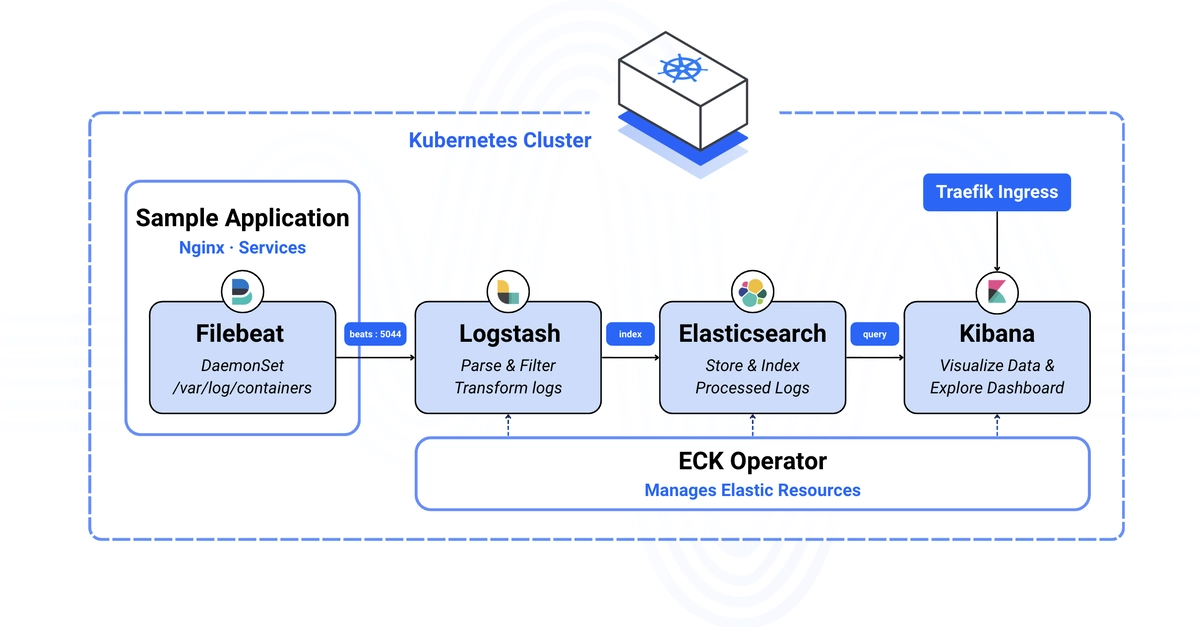
Install Elasticsearch, Logstash, and Kibana on Kubernetes using the Elastic Cloud on Kubernetes operator for automated management.
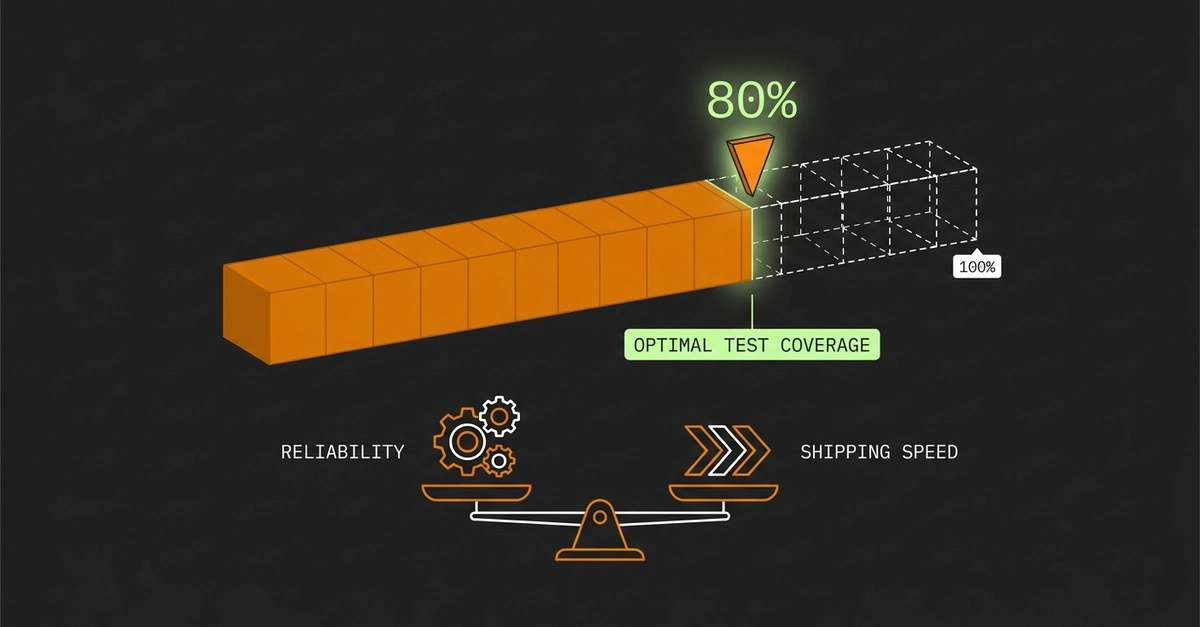
Chasing absolute perfection in software testing yields diminishing returns. Focus on critical logic, not just lines of code.

Ditch XML layouts for declarative UIs, robust state management, and scalable architecture.
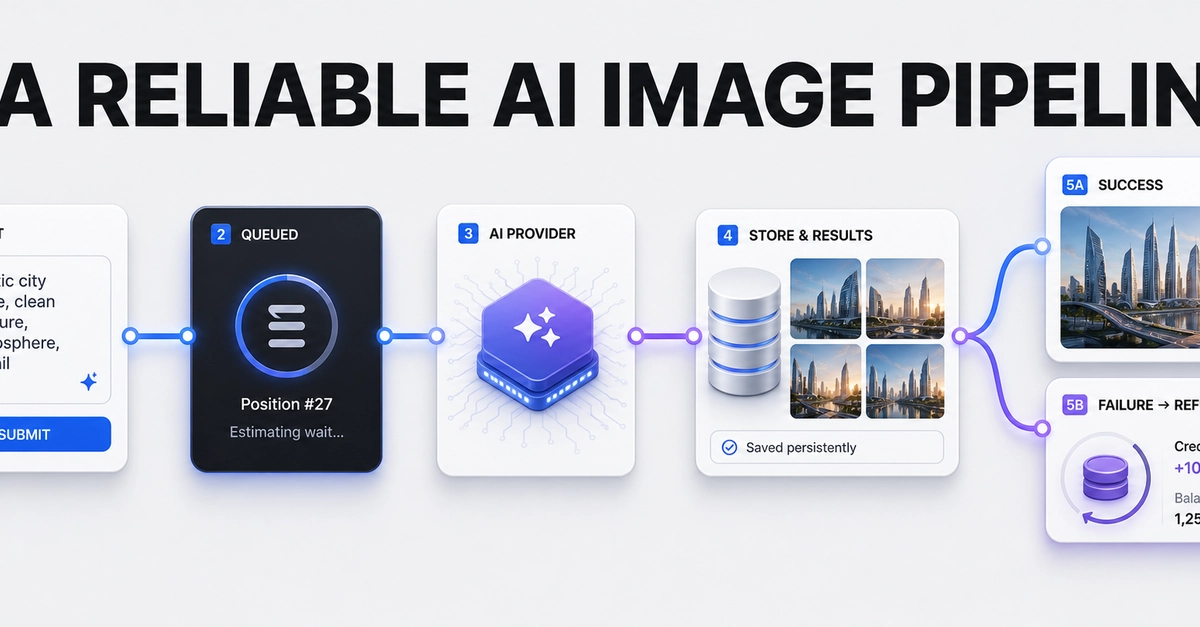
Building a reliable AI image generation service involves handling complex failures, external IDs, and user credits, not just a prompt.
End-to-end tests can detect subtle memory bloat in SPAs that typically go unnoticed until user experience degrades.
A working proof-of-concept shows how SPIFFE's workload identities can authenticate using Microsoft Entra Agent ID.