
AI Models•Jul 8, 10:38 PM
Kikplate's 'generate' Feature Offers Schema-Driven Project Starters
Kikplate introduces a schema-driven approach to project templates, moving beyond static GitHub repos to dynamic, intelligent project generation.
Share:

Five shifts. Five minutes. No noise.
No spam. Unsubscribe anytime. Powered by Beehiiv.

Two new Apache 2.0 licensed models target consumer GPUs, offering a critical choice for local AI inference.

Phoenix Grove API opens up access to advanced open-source models, providing a month of free usage to attract new users.

A tight usage cap on OpenAI's code generation tool prevents developers from completing meaningful tasks, turning it into a novelty rather than a productivity booster.
AI agents are moving beyond simple tasks to complex workflows, while GPU shortages continue to drive up costs, and persistent security vulnerabilities plague the tech landscape.
Kikplate introduces a schema-driven approach to project templates, moving beyond static GitHub repos to dynamic, intelligent project generation.

The automation platform expands its offerings with new integrations for HubSpot, Figma, and more, aiming to streamline operations for small businesses.

New tool bridges the gap, allowing AI agents to directly interact with and manipulate Microsoft Office documents.
New platform offers deep dives into tech topics with live, in-browser code execution, not static content.

An AI moderation flaw on Discord led to wrongful bans for users posting innocuous content.
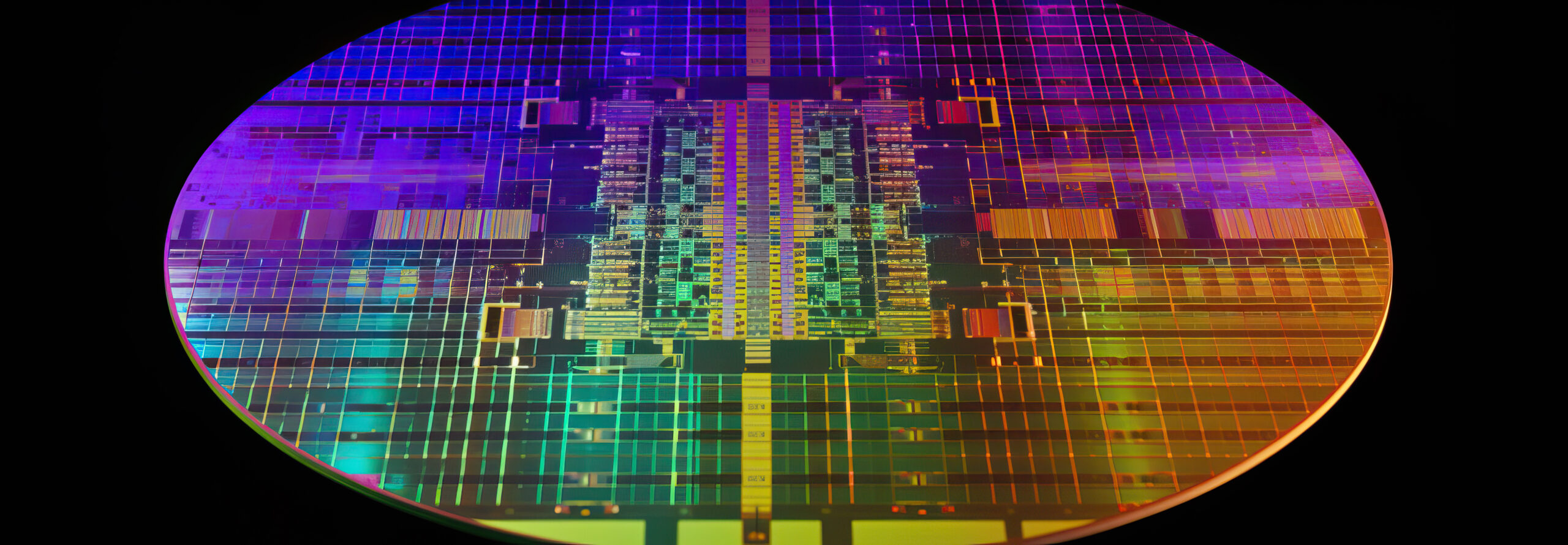
Proactive simulation beats reactive bench testing for catching DDR5 compliance issues.

An AI-powered security audit uncovered multiple high-severity vulnerabilities in Cloudflare's widely used cryptographic library, Circl.

Entry-level ML roles now demand PhD-level knowledge in robotics, hardware, and multiple AI subfields, baffling industry professionals.

A prominent machine learning paper's abstract page on ArXiv incorrectly displays unrelated content, raising questions about the platform's integrity.

New benchmark evaluates four small CPU-based Text-to-Speech models using objective UTMOS MOS scores.