

HIPAA-Compliant AI Voice Agents Cost $40K-$150K to Build, $2K-$15K/Month to Run
Building a HIPAA-compliant AI voice agent for healthcare is exponentially more expensive than for other industries due to stringent data security and compliance layers.

Five shifts. Five minutes. No noise.
No spam. Unsubscribe anytime. Powered by Beehiiv.
New open-source tool offers universal, persistent memory for AI command-line interfaces.

AI can offer tailored spiritual support, but where does user assistance end and undue influence begin?

A new tool converts text-based emergency warnings into spoken audio, bridging communication gaps for vulnerable populations.
This week's tech news highlights the growing pains of AI agent autonomy, the critical need for cloud cost management, and evolving security paradigms.

Building a HIPAA-compliant AI voice agent for healthcare is exponentially more expensive than for other industries due to stringent data security and compliance layers.

An investigation into a broken email system uncovers surprising limitations of email as a universal agent communication protocol.

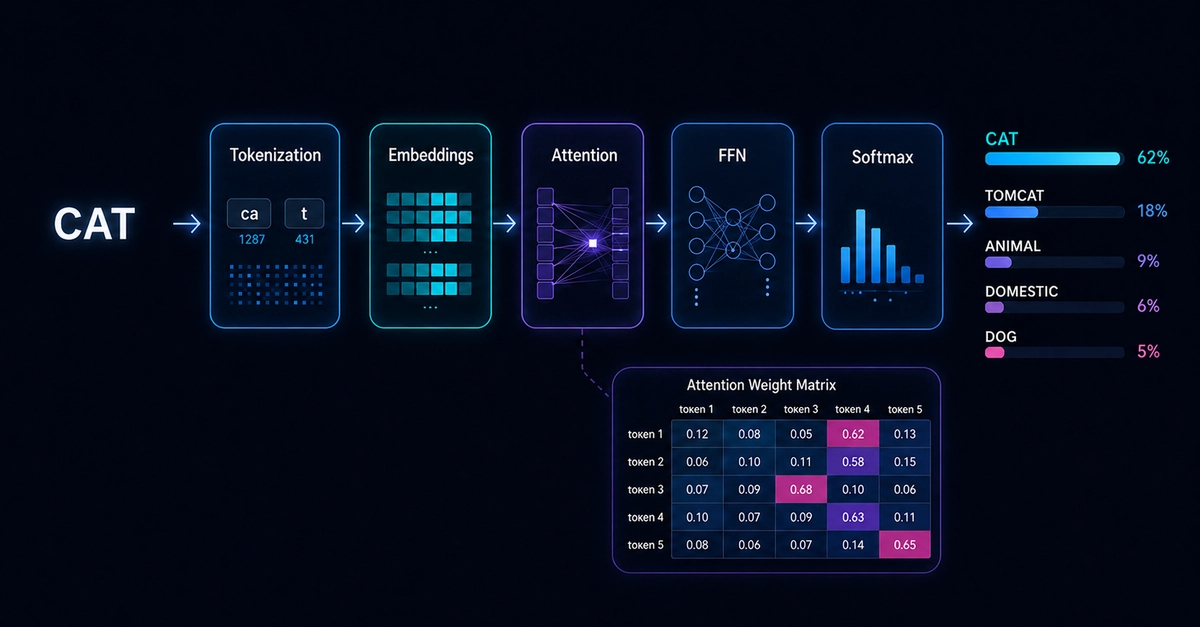
A developer builds a small, transparent language model from scratch in Node.js, revealing every step of the ML process without frameworks.

The module's latest release replaces hardcoded paths with a single environment variable, solving critical deployment issues for autonomous systems.
The market has shifted. In the age of AI, shorter B2B contracts are the new norm, driven by rational buyer behavior.

A developer details the process of creating a custom 3D renderer for a low-power handheld, highlighting challenges and technical choices.

NIST-standardized algorithms offer a path to cryptographic agility for enterprise APIs, securing them against future quantum computers.

Frustrated by cloud dependence and data privacy issues, a solo developer created CODA, a local-first AI operating system.

The Model Context Protocol (MCP) allows LLMs to interpret ad data and execute changes, moving beyond rigid automated rules.

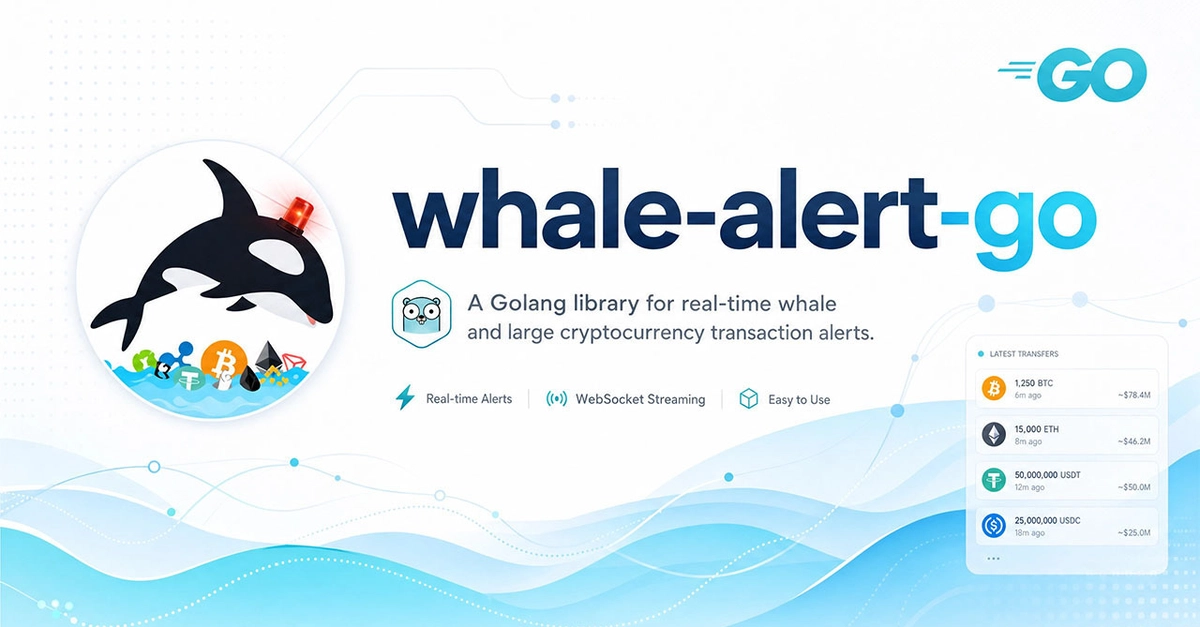
The whale-alert-go SDK abstracts boilerplate code, enabling developers to focus on building reliable crypto alerting systems.