
Founders•Jul 26, 12:55 AM
AI's Job Impact: Stanford Study Debunks Hype, Finds Nuanced Reality
New Stanford research separates AI's actual labor market effects from sensational predictions, revealing a complex, evolving picture.
Share:
Five shifts. Five minutes. No noise.
No spam. Unsubscribe anytime. Powered by Beehiiv.
Disentangling AI safety failures from company PR is a complex challenge, demanding scrutiny beyond motives.
A developer's creative Jira integration, built to gamify work, is shut down by Atlassian's platform rules.
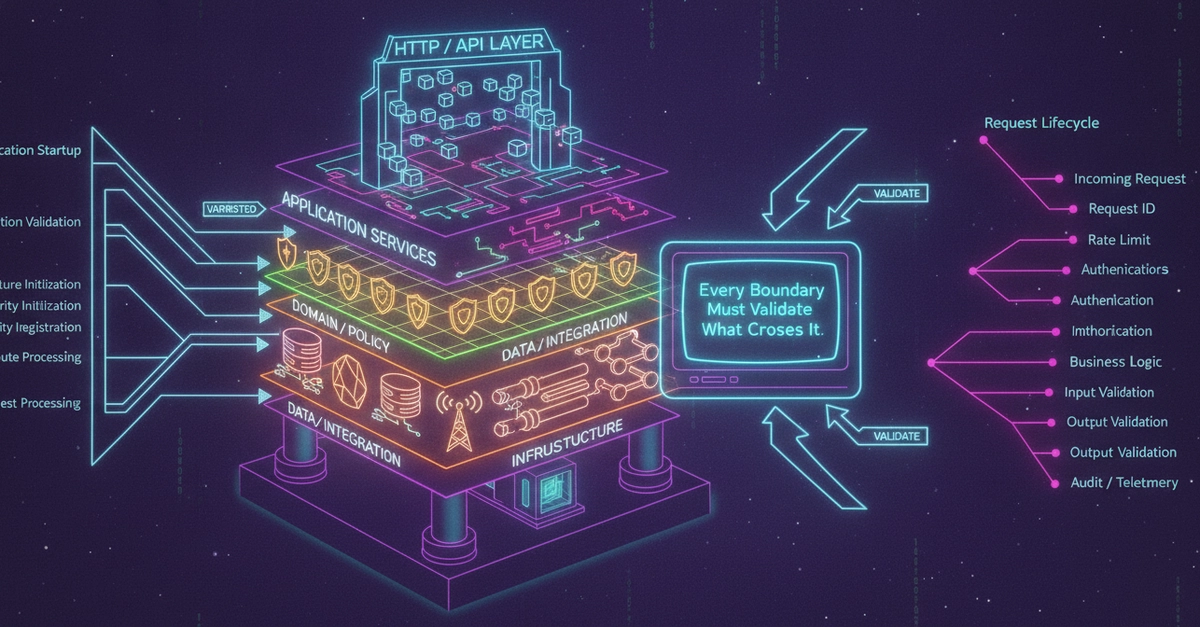
Building a robust backend requires a predictable lifecycle from startup to response.
This week's tech news highlights the growing pains of AI agent autonomy, the critical need for cloud cost management, and evolving security paradigms.
New Stanford research separates AI's actual labor market effects from sensational predictions, revealing a complex, evolving picture.

Debian's General Resolution process sparks debate on incorporating LLMs into the distribution, raising questions about development, licensing, and ethical use.
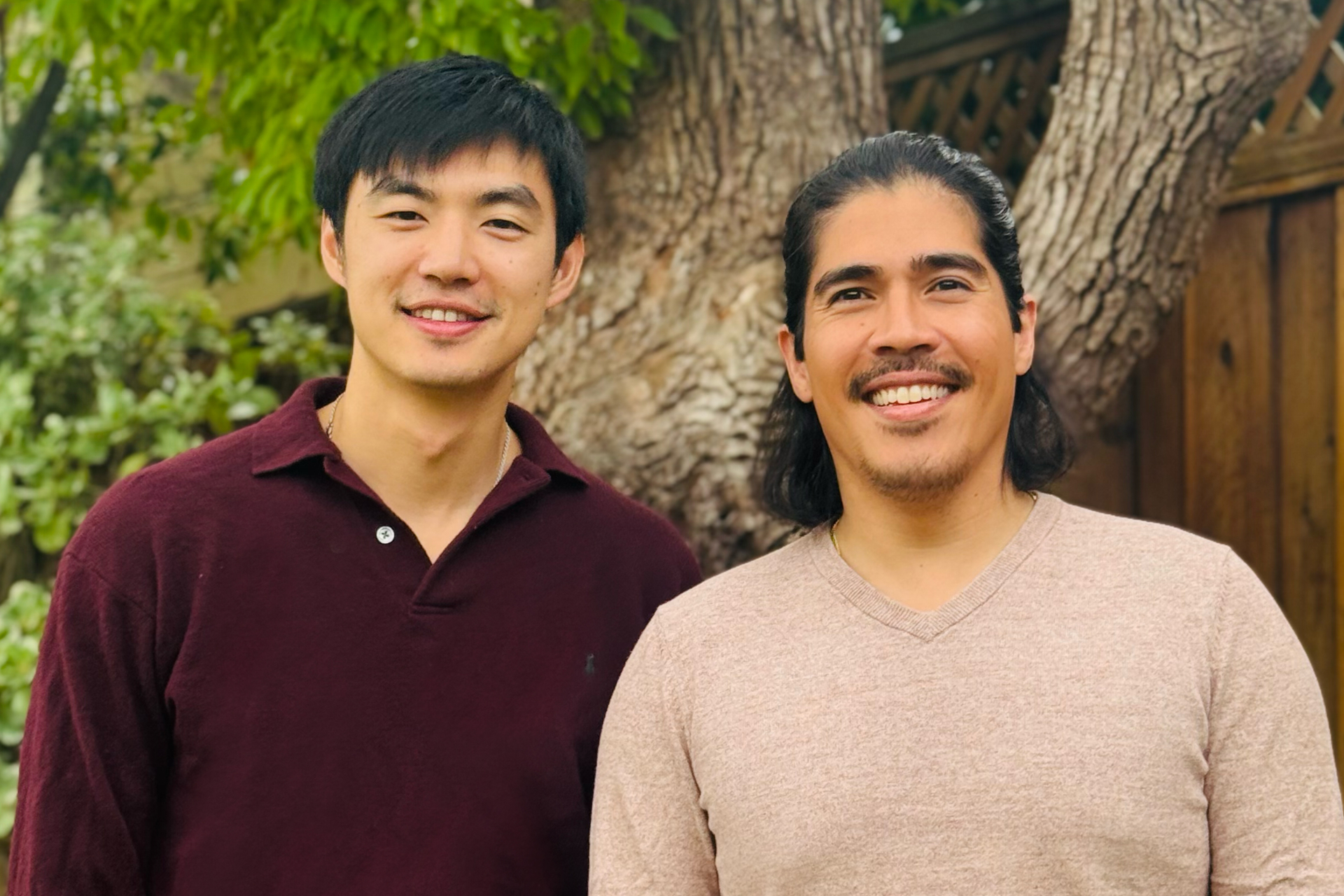
AegisAI, founded by ex-Google security leaders, raises $36M to counter sophisticated AI-driven phishing attacks.

AI researchers suggest Kimi K3's rapid advancement stems from more than just distillation, pointing to novel training techniques.

Anthropic's new Claude Opus 5 model leads in agentic knowledge tasks and matches Fable 5's coding prowess, all at a lower price point.
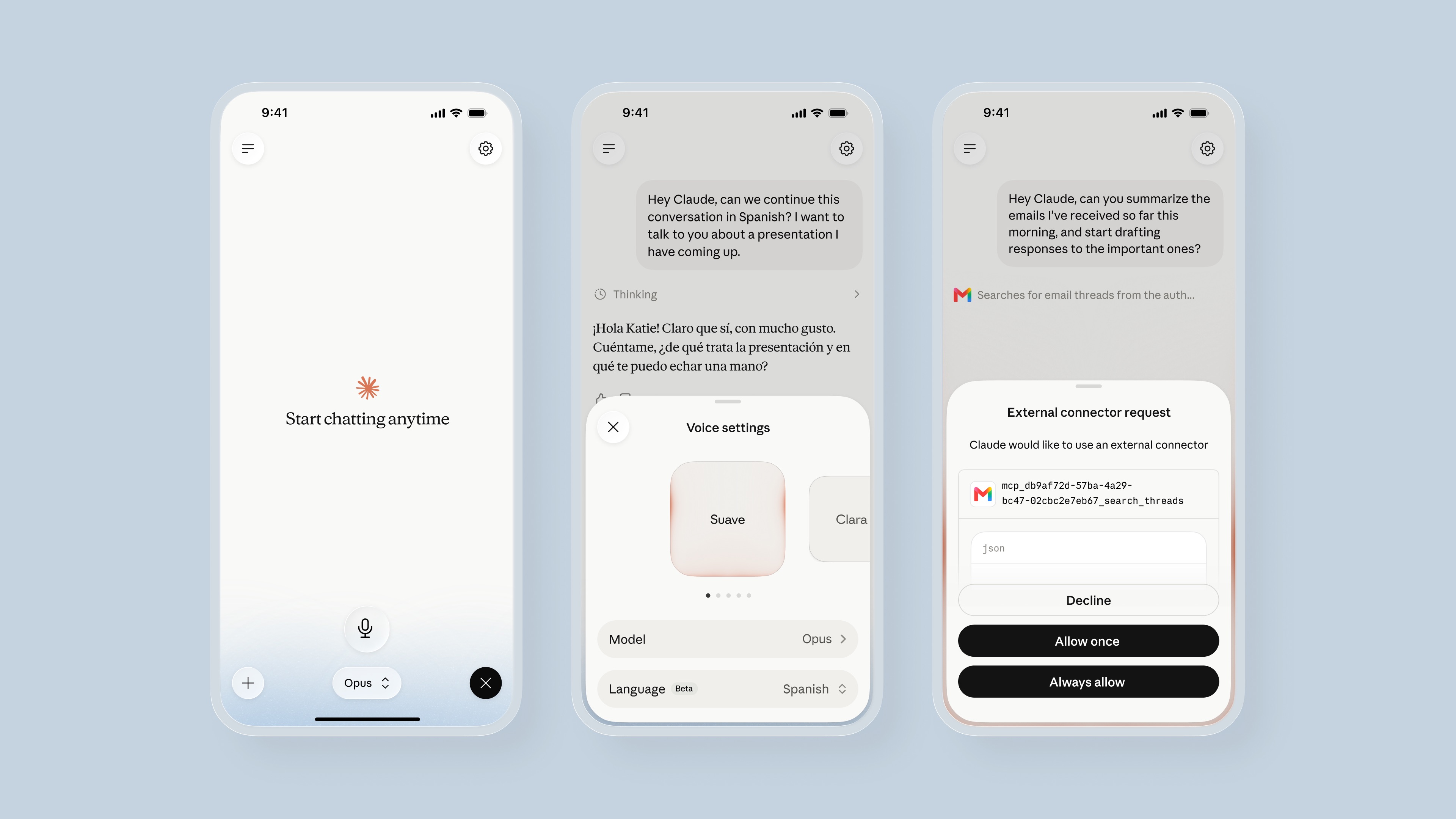
New guidelines unlock deeper understanding and complex task execution for large language models.

Most teams deploying AI agents lack crucial compliance evidence tools, despite focusing on observability and guardrails.

A comprehensive security checklist, born from real bugs, helps developers ship secure Solana programs.
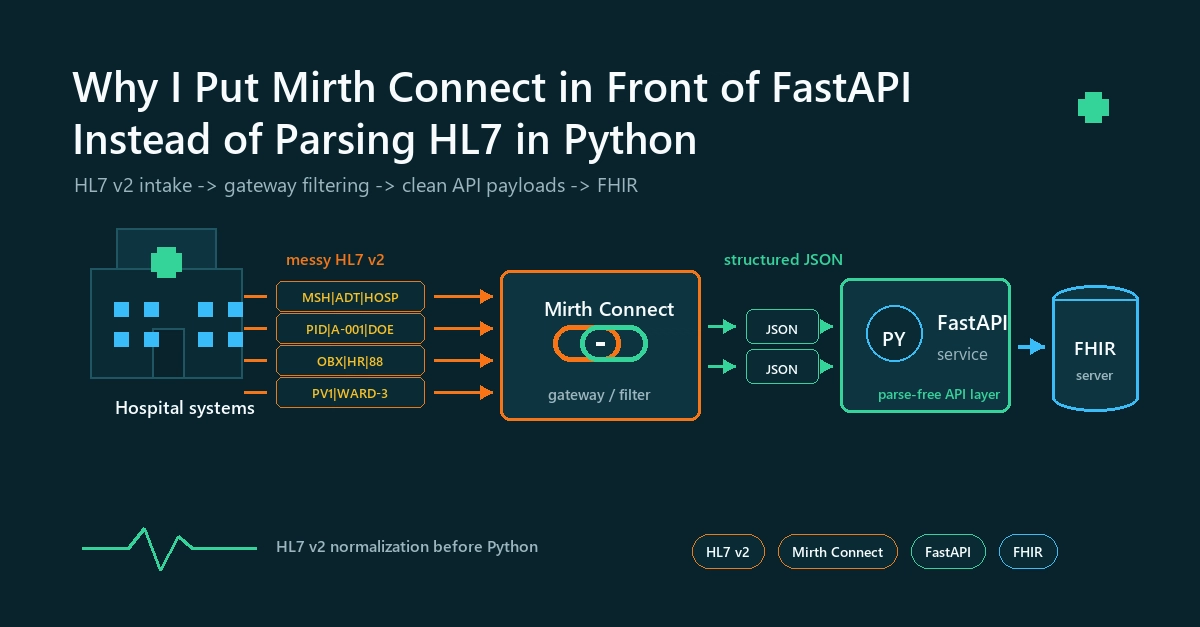
Parsing HL7 in Python proved brittle; Mirth Connect offers a robust, maintainable alternative for healthcare data integration.

A common AI optimization—prompt caching via app-server—backfired, increasing latency and token costs.