
Cybersecurity•Aug 9, 12:55 PM
HTTP Request Smuggling: How to Detect and Mitigate Attacks
Exploit discrepancies in request parsing between proxies and servers to smuggle malicious HTTP requests.
Share:

Five shifts. Five minutes. No noise.
No spam. Unsubscribe anytime. Powered by Beehiiv.

Samsung's strategic investment in Mistral AI signals a major push into sovereign AI capabilities and a potential challenge to US dominance.

A sophisticated, years-long social engineering attack on the xz utility exposed critical vulnerabilities in open source maintenance.

New AI models demand practical application. Ditch the certificate chase and focus on problem-solving through projects.
This week's tech news highlights the growing pains of AI agent autonomy, the critical need for cloud cost management, and evolving security paradigms.
Exploit discrepancies in request parsing between proxies and servers to smuggle malicious HTTP requests.
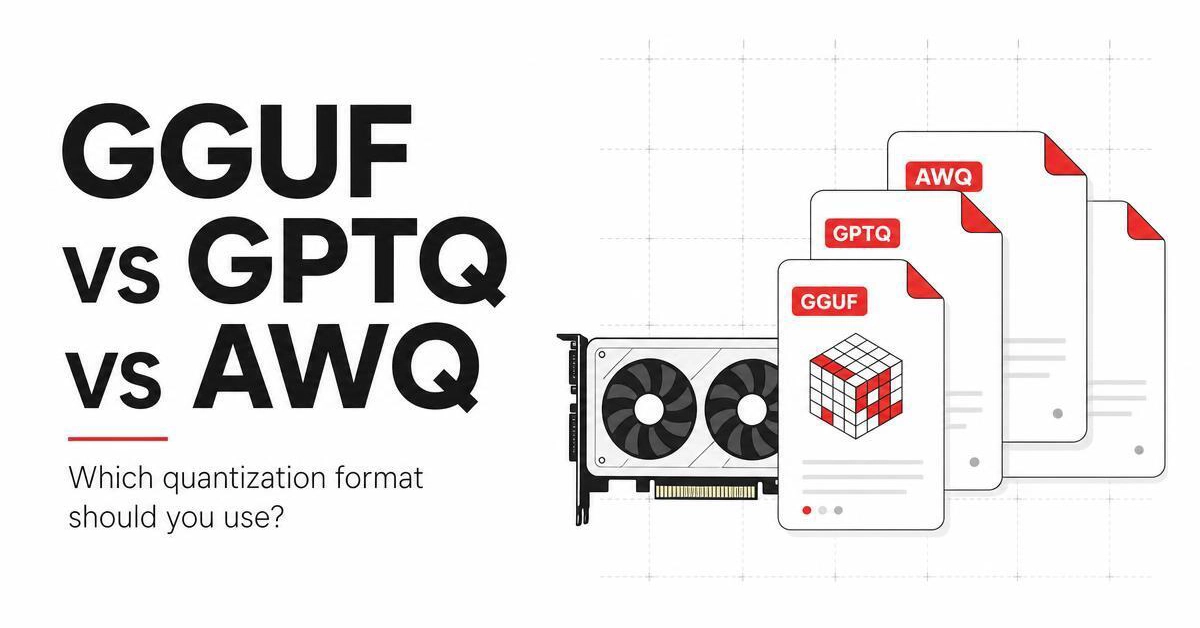
Choosing the right LLM quantization format is key to efficient local inference. Here's how GGUF, GPTQ, and AWQ stack up.

AWS introduces Dogwood, an open-source policy language extending Cedar to govern AI agent actions over time.

After months of work and 21 detailed build logs, an autonomous AI agent controlling an Android phone via natural language is now available.

A Next.js app's 8-second load time was traced to front-end mistakes, not backend issues. Here's the fix.
Injection-Arena gamifies learning LLM prompt injection attacks, turning abstract concepts into hands-on exploits.
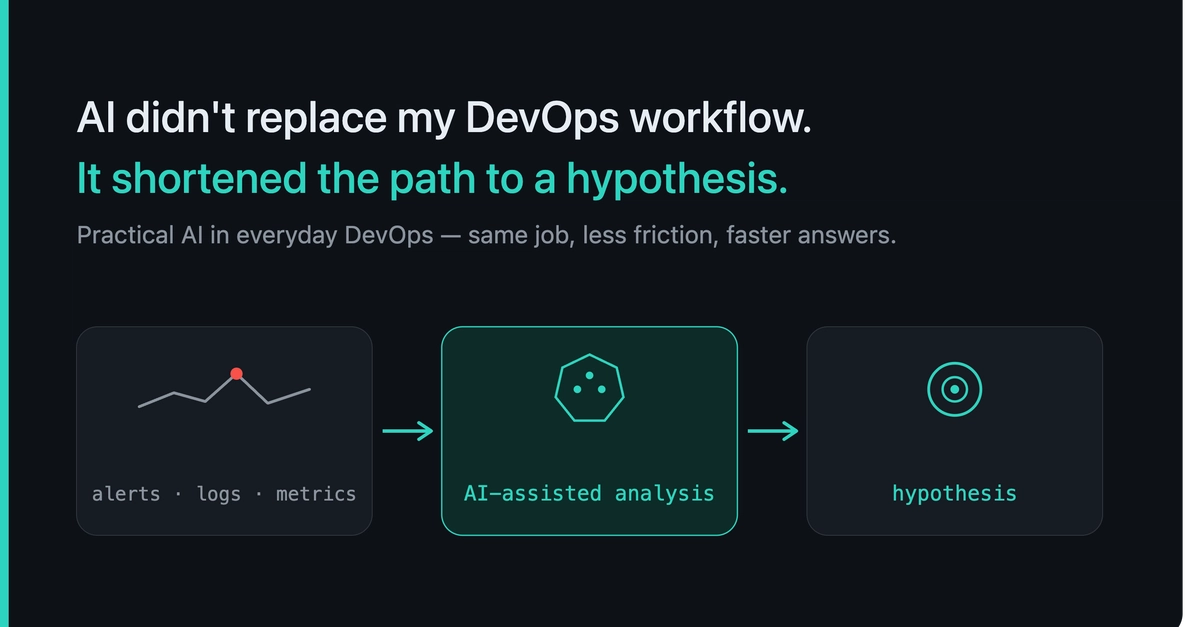
AI assists DevOps engineers by accelerating hypothesis generation, not by automating troubleshooting.

DeepSeek's latest model iteration, Flash V4, achieves superior agent performance through post-training, not architectural changes.

Production-ready authentication in FastAPI involves more than just username/password and JWTs. Consider email verification, session management, and device revocation.
%22%20%2F%3E%0A%20%20%3C%2Fsvg%3E)
New EU AI Act regulations require granular logging of AI interactions, raising privacy and operational concerns for developers and users alike.