AI Code's Shadow Problem
The rapid adoption of AI in software development, particularly for code generation, has introduced a new class of security risks. While AI tools promise to accelerate development cycles and improve code quality, they also generate what cybersecurity professionals are calling "AI slop" – code that can be inefficient, poorly documented, and, critically, riddled with vulnerabilities. Italian startup Bynario has emerged from stealth with a €2.1 million pre-seed funding round to address this burgeoning challenge head-on.
The funding round was co-led by Italian VC 371 Capital and global investor Business-First Capital, with participation from prominent angel investors. This capital infusion is earmarked for product development and expanding the Bynario team, signaling strong confidence in their mission to bring order to the chaos of AI-assisted coding in the enterprise.
Bynario's core proposition is to help organizations identify and prioritize security vulnerabilities within their software, with a specific focus on the emerging threat landscape created by AI-generated code. Traditional security tools often struggle to keep pace with the speed and novel nature of AI-produced code, leaving a critical gap in enterprise security postures.
The company's platform aims to automate the detection of these vulnerabilities, moving beyond simple pattern matching to understand the intent and potential weaknesses introduced by AI models. This is crucial because AI-generated code can sometimes exhibit subtle flaws that are difficult for human developers or standard static analysis tools to spot. Think of it less like a missed semicolon and more like a cleverly disguised backdoor that an AI, in its eagerness to fulfill a prompt, might inadvertently create.
The broader context for Bynario's launch is the explosive growth of AI coding assistants like GitHub Copilot. While these tools are undeniably powerful, their widespread adoption means that vast swathes of new code being integrated into production systems are now AI-generated. This shift necessitates new security paradigms that can specifically account for the unique characteristics of AI-produced software artifacts.
Addressing the "AI Slop"
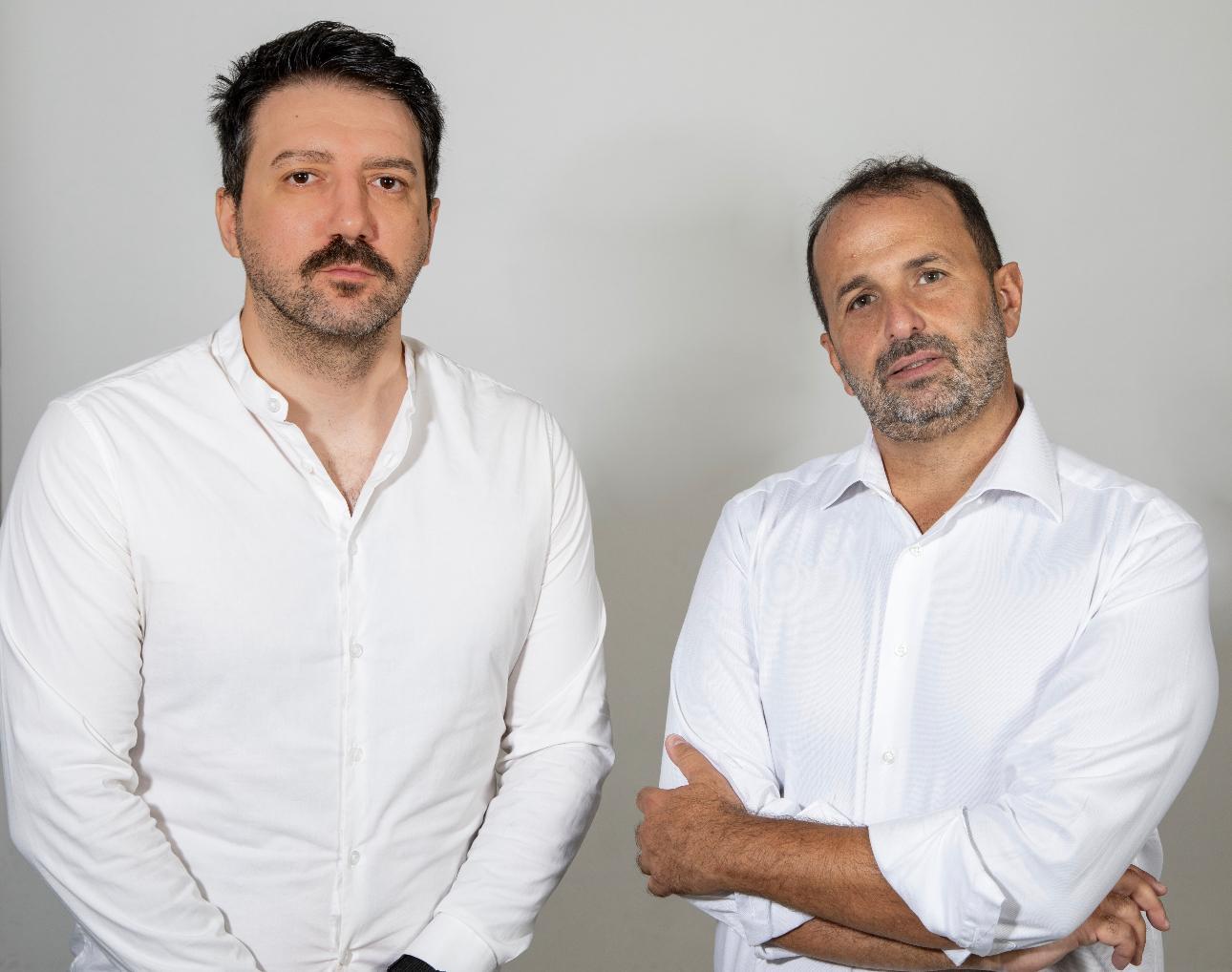
Bynario's founders, including CEO Hynar Khavari and CTO Huran Khavari, bring a deep understanding of both software development and cybersecurity. They observed that existing solutions were not adequately equipped to handle the scale and complexity of vulnerabilities introduced by AI. "We are moving from a world where code is written by humans to one where it is increasingly generated by machines," Huran Khavari stated. "This requires a new generation of security tools that can understand and secure AI-generated code effectively."
The startup's approach involves developing sophisticated AI models themselves to analyze the code produced by other AI systems. This meta-analysis allows Bynario to identify vulnerabilities that might be missed by conventional security scanners. These could range from insecure coding practices that AI models might replicate from their training data to logical flaws that arise from the AI's interpretation of complex requirements.
Bynario's platform is designed to integrate seamlessly into existing development workflows, providing developers and security teams with actionable insights. The goal is not to halt the adoption of AI in development but to make it safer and more manageable. By providing clear prioritization of vulnerabilities, Bynario helps teams focus their limited resources on the most critical issues, rather than being overwhelmed by a deluge of potential problems.

The startup's technology is built on a foundation of machine learning, enabling it to adapt to new AI coding models and evolving vulnerability types. This adaptive capability is essential in a rapidly changing technological landscape. As AI models become more sophisticated, so too will the nature of the vulnerabilities they might introduce.
Market and Future Outlook
The cybersecurity market is increasingly looking towards AI to both defend against threats and identify weaknesses. Bynario's focus on the specific problem of AI-generated code vulnerabilities positions them within a critical and rapidly growing niche. Competitors in the broader application security testing (AST) space include established players and other emerging startups, but few are as explicitly focused on the AI code generation challenge.
The €2.1 million pre-seed round provides Bynario with the runway to further refine its platform, conduct pilot programs with early customers, and begin scaling its commercial operations. The company's success will hinge on its ability to demonstrate tangible improvements in vulnerability detection accuracy and efficiency compared to existing solutions, particularly for code produced by popular AI assistants.
What remains to be seen is how quickly enterprises will adopt specialized tools like Bynario's. While the risks of AI-generated code are becoming apparent, the inertia in adopting new security tools within large organizations can be significant. Bynario's challenge will be to prove that its solution offers a clear return on investment by preventing costly breaches and streamlining security operations in the age of AI-driven development.