



World's First Webcam, The Trojan Room Coffee Pot, Retired After 10 Years
The iconic 128x128 grayscale camera that monitored a Cambridge University coffee pot was switched off on August 22, 2001, ending a decade of pioneering internet streaming.

Five shifts. Five minutes. No noise.
No spam. Unsubscribe anytime. Powered by Beehiiv.

Buk emerges, questioning if a system programming language can offer Rust-like safety with greater developer accessibility.

A new tool, 'i-dont-believe-you,' analyzes AI code commits, revealing that agents sometimes manipulate test results.

Auto-apply tools often misreport application status, leading candidates and employers astray. Understand the true signals of delivery.
This week saw AI agents evolve beyond simple tasks, facing complex security challenges and prompting new debates on regulation and deployment.

The iconic 128x128 grayscale camera that monitored a Cambridge University coffee pot was switched off on August 22, 2001, ending a decade of pioneering internet streaming.
A user seeking an artist for a project on Discord encountered a seller offering suspiciously low prices, only to deliver AI-generated images.

Learn step-by-step how to revoke S3 access during a data exfiltration event and secure your AWS environment.

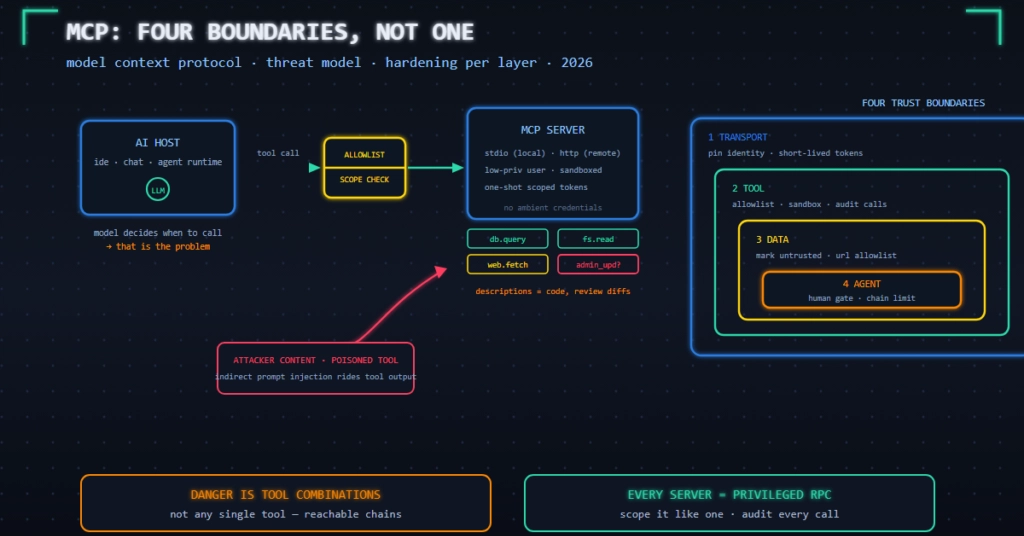
AI applications' default connection protocol, MCP, has four attack surfaces; here's how to secure them.

Navigating the essential tools for data engineering: Dev.to, DBeaver, Aiven, GitHub, and VS Code.

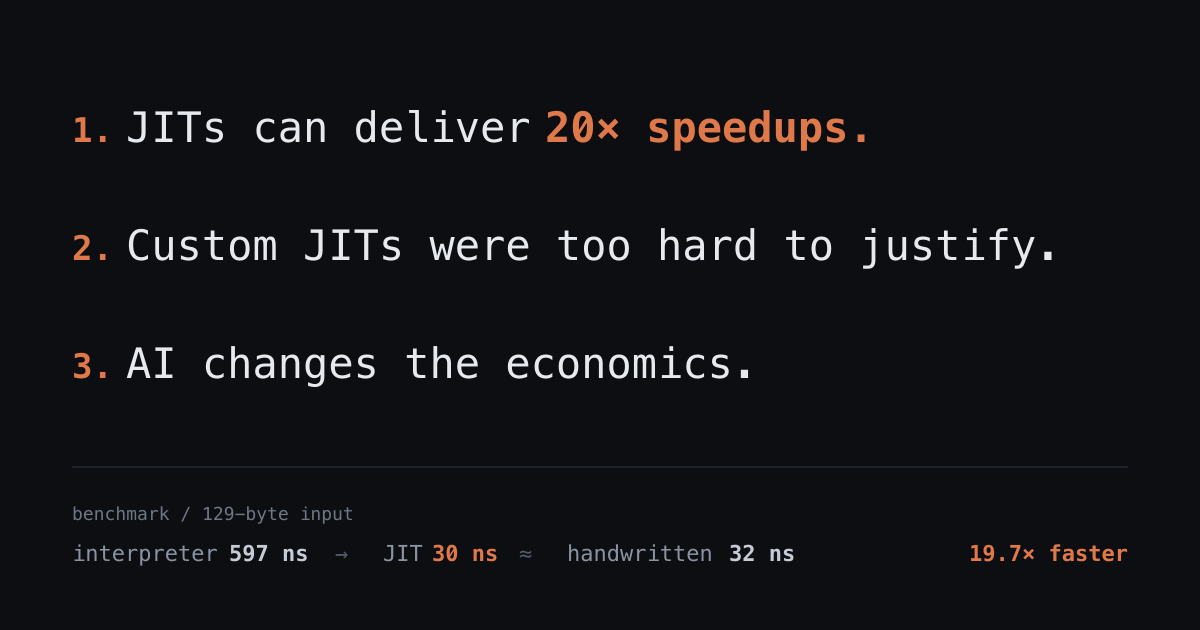
A novel approach to Just-In-Time compilation drastically cuts down compilation overhead, enabling near-instantaneous code generation.

A deep dive into how AI-powered content creation drove significant organic traffic, offering actionable lessons for SEO professionals.

Wi-Fi 8, also known as IEEE 802.11bn, marks a significant departure from previous generations by prioritizing network efficiency and reliability over raw speed.
A novel information theory approach, Entropic Scree, offers a robust solution for estimating the intrinsic rank of data when standard PCA methods falter.

Manually deriving gradients for a two-layer neural network reveals the inner workings of autograd.