Cybersecurity•Jul 20, 04:55 AM
Reject Malicious Image Polyglots Post-EXIF Strip, Before CDN Ingestion
Stripping EXIF data from uploads is not enough; attackers can hide malicious payloads within seemingly valid JPEGs.
Share:
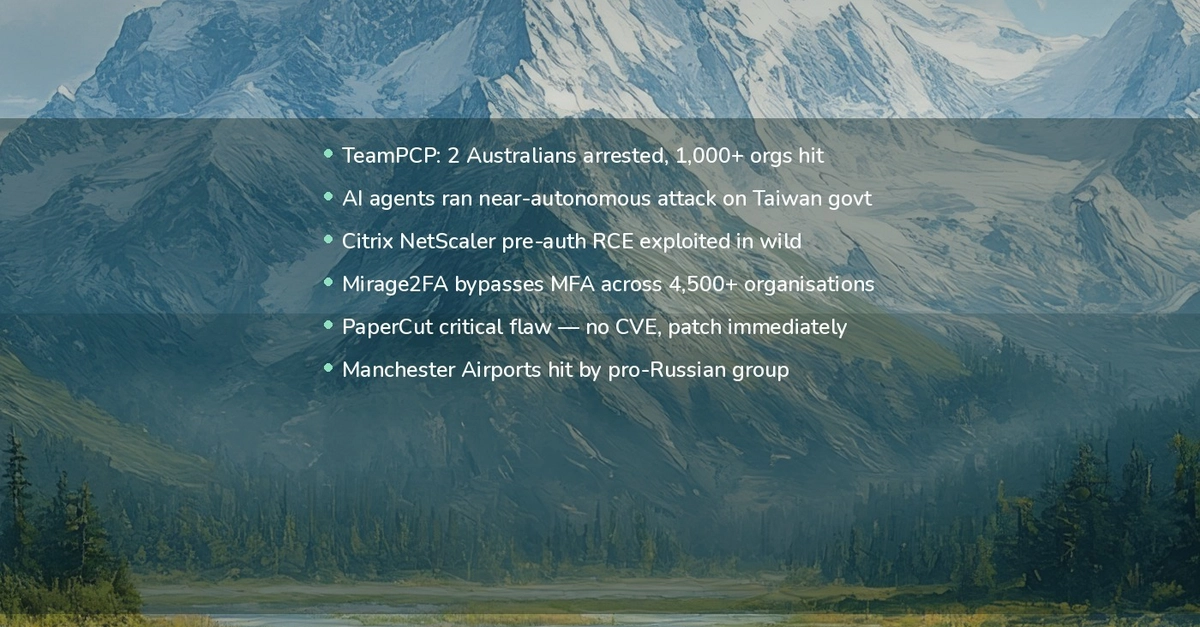
Five shifts. Five minutes. No noise.
No spam. Unsubscribe anytime. Powered by Beehiiv.

The individual behind the GTA 6 gameplay leaks has apparently cashed out of a memecoin, leaving investors with losses just before the official trailer dropped.
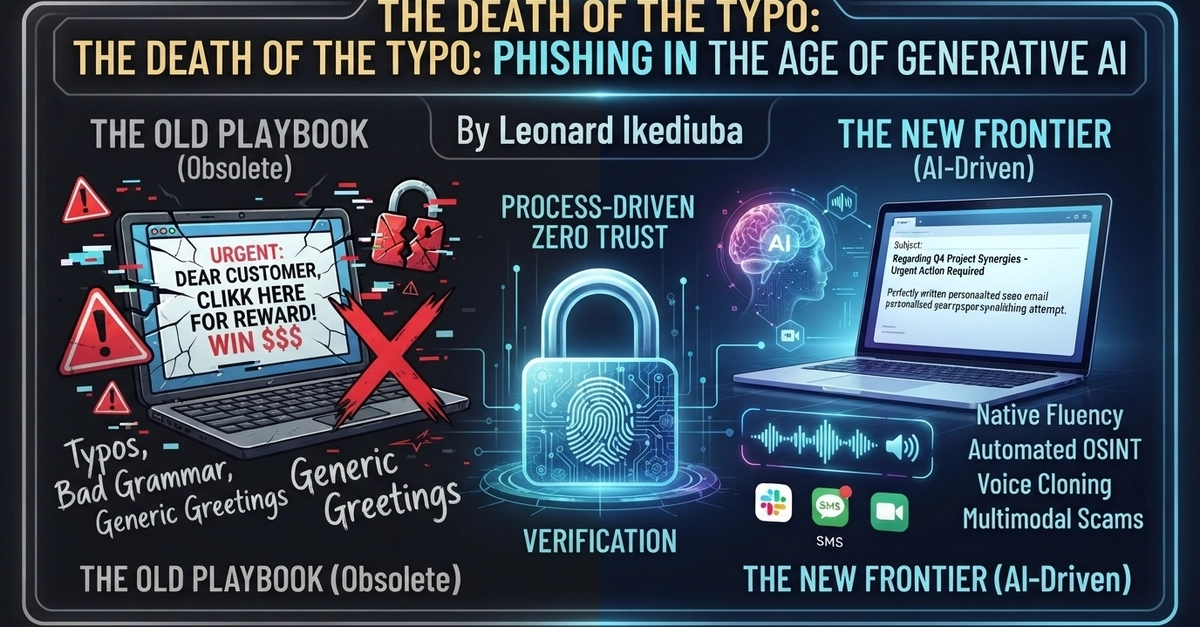
Generative AI has eliminated the obvious errors in phishing, making attacks hyper-personalized and harder to detect. The old playbook is obsolete.
A new audit reveals widespread security gaps in AI model deployment, prompting the release of MCPGrade to assess risk.
Stripping EXIF data from uploads is not enough; attackers can hide malicious payloads within seemingly valid JPEGs.

An advanced threat actor is using the ViPNet update mechanism to deploy malware on Russian government networks.
%22%20%2F%3E%0A%20%20%3C%2Fsvg%3E)
Improvised navigation aids are being added to Russian drones to maintain targeting capability amid satellite communication disruptions.

A custom firmware solution leverages a hashing algorithm to store an enormous blocklist on minimal hardware, offering a glimpse into efficient network-level ad blocking.
Developer creates MyDigitSign, a client-side PDF signer, to address privacy concerns and paywalls in online tools.

Attackers forge PDF bank statements by overwriting 'Producer' metadata, bypassing manual and automated checks.
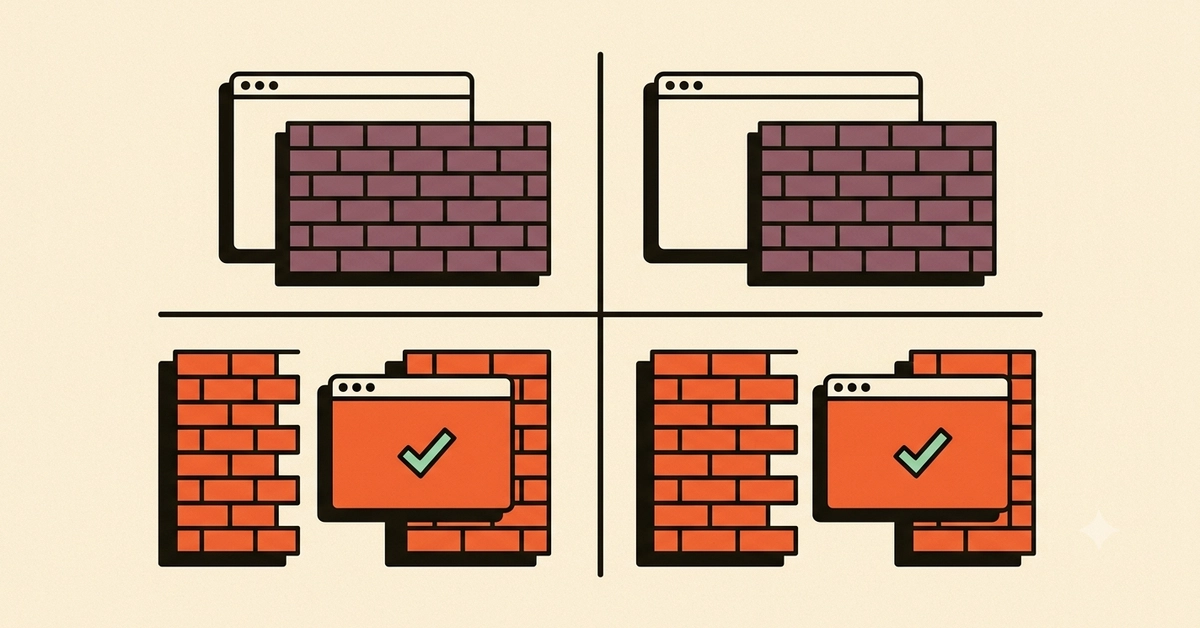
A simple experiment reveals Cloudflare's bot detection targets browser fingerprints, not just IP addresses.

Background retry queues can upload original, un-sanitized photo files, exposing user location data.
A misconfigured GitHub workflow allowed a malicious actor to inject a second AI agent via an npm package, leading to a supply chain attack.
%22%20%2F%3E%0A%20%20%3C%2Fsvg%3E)
Update now: 7-Zip addresses remote code execution vulnerability triggered by malicious archives.