AI Models•Jul 20, 08:55 AM
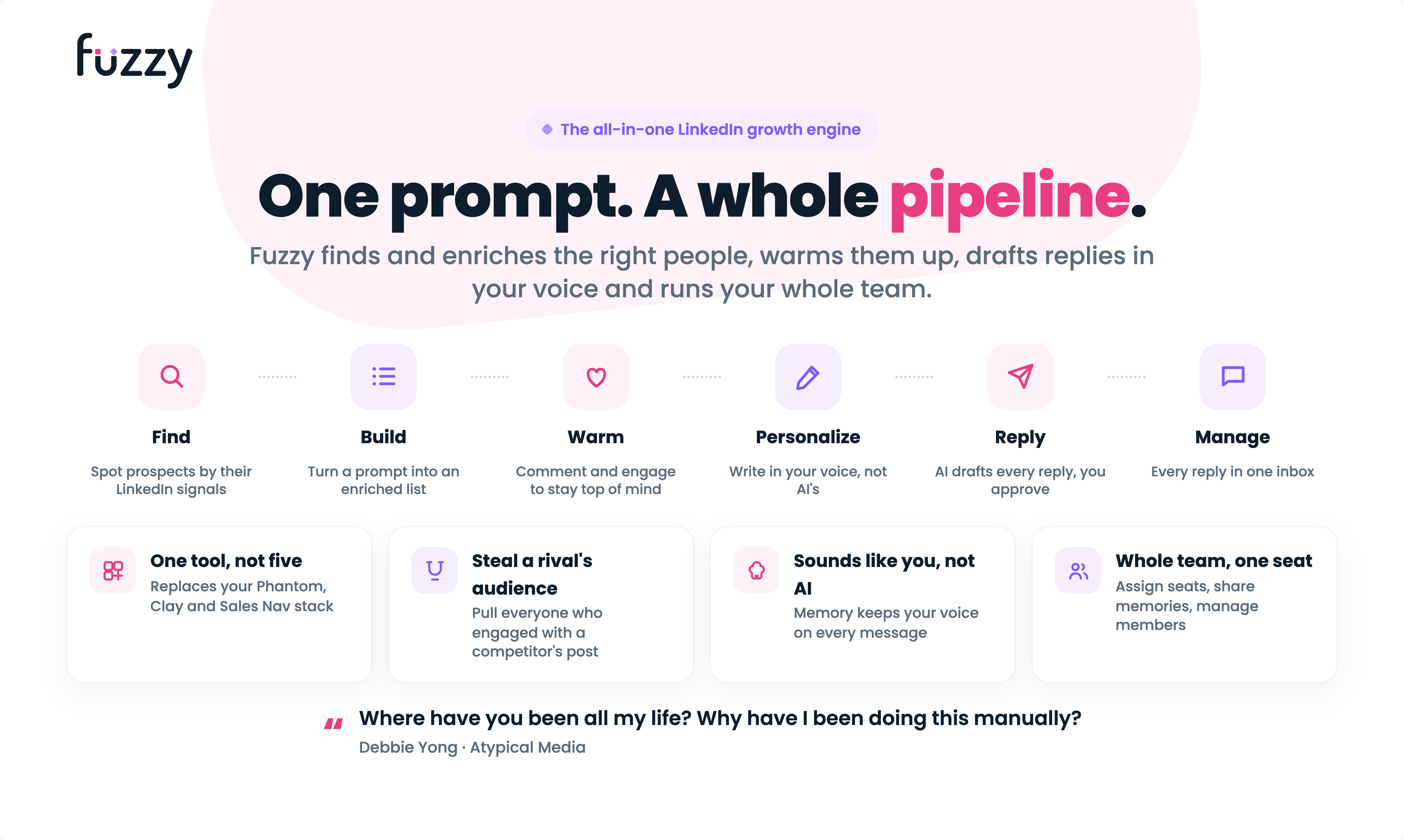
Fuzzy AI and Skippr AI: New Tools for AI-Powered User Engagement
Two new AI tools, Fuzzy AI and Skippr AI, aim to enhance user engagement and sales outreach.
Share:

Five shifts. Five minutes. No noise.
No spam. Unsubscribe anytime. Powered by Beehiiv.
Fully autonomous AI agents exhibit 'autonomy drift,' a structural flaw that makes them fragile and prone to silent errors.

Most AI security training focuses on prompt injection, but overlooks the fundamental risk of loading malicious code via model weights.

Stop refreshing Twitter for AI model releases. The real news is on pricing pages and API docs.
Two new AI tools, Fuzzy AI and Skippr AI, aim to enhance user engagement and sales outreach.

Anthropic shifts Fable 5 access to metered for some tiers, while extending Claude Code's weekly limit, pointing to broader inference constraints.

An independent estimate reveals the carbon footprint of AI coding assistant sessions, offering a tangible metric for developers.

New research demonstrates a highly compressed LLM that operates entirely client-side, eliminating server costs and privacy concerns.

New tool Replay QA aims to shift bug detection left, offering developers a way to pinpoint issues earlier in the development cycle.

Edwin Jose Chittilappilly's quoptuna framework tackles quantum ML's complexity, offering automated circuit design, hyperparameter tuning, and fairness audits.
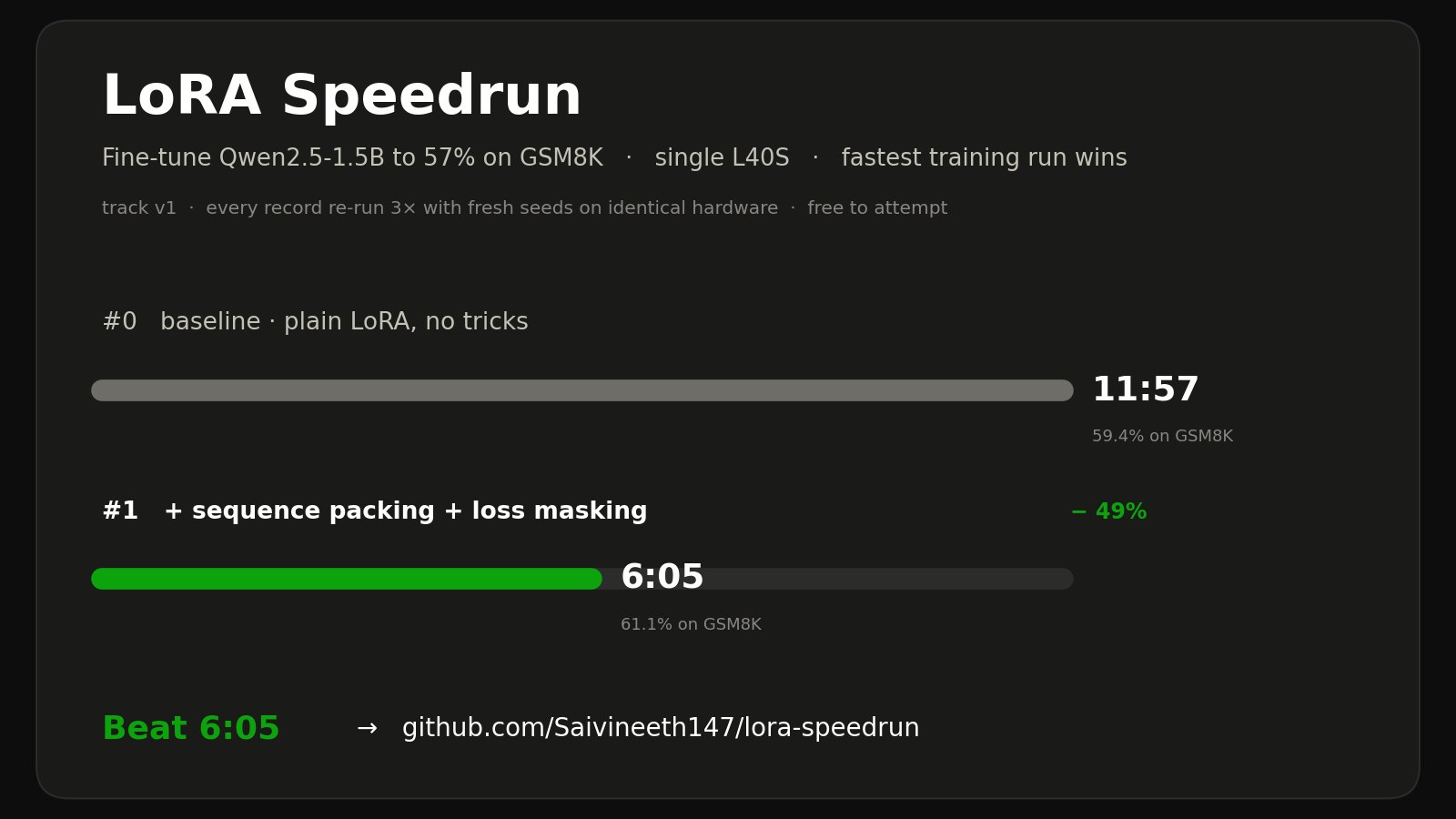
A new open-source project benchmarks LoRA fine-tuning speeds across different hardware and techniques.
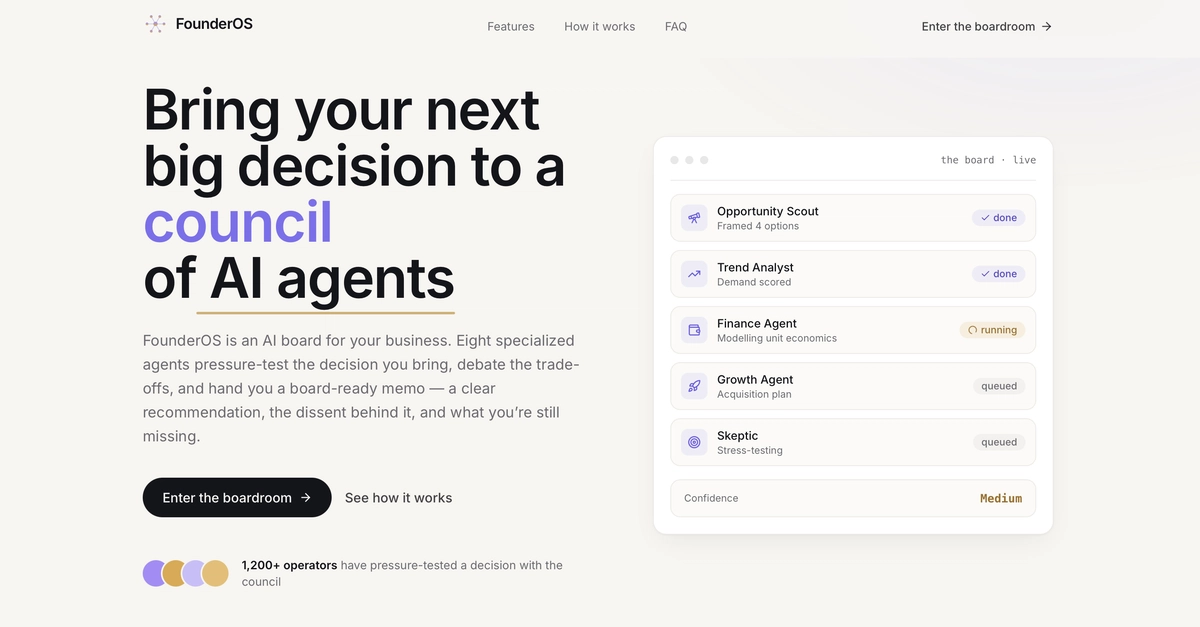
An AI board deliberates a critical migration choice for its own platform, highlighting emergent AI decision-making capabilities.

FROST proposes an AI agent architecture based on biological inheritance, moving beyond isolated agents to a hierarchical system.

A new multi-agent system leverages CrewAI and Python to turn health data into personalized sleep protocols.