
Cybersecurity•Jul 29, 12:55 AM
eBay Pays $46M to Journalists Harassed by Former Executives
eBay settles with journalists targeted by a bizarre harassment campaign involving macabre deliveries and surveillance.
Share:

Five shifts. Five minutes. No noise.
No spam. Unsubscribe anytime. Powered by Beehiiv.
Score a $420 discount on a powerful gaming rig featuring a 20-core Intel CPU and 32GB of DDR5 RAM.

Fintech has captured the attention and capital in Francophone Africa, but the region must now foster broader tech economies for sustained growth.

Report claims NEC has ceased quantum computing hardware development, shifting focus to exploring practical applications.
This week's tech news highlights the growing pains of AI agent autonomy, the critical need for cloud cost management, and evolving security paradigms.
eBay settles with journalists targeted by a bizarre harassment campaign involving macabre deliveries and surveillance.

New public endpoint allows AI agents to query npm package metadata, security advisories, and more.

A new 64-bit hobby OS, BoltOS, demonstrates advanced capabilities with native DOOM, NVMe drivers, and Windows binary execution.

A federal judge has halted a Minnesota law that would have banned prediction markets, citing First Amendment concerns.

The web's accessibility landscape is evolving with new regulations and AI tools, demanding fresh approaches for developers and businesses.

ASU's Cronkite School introduces a new BA program designed to equip students with the skills and experience needed for careers in the creator economy.

Fish Audio, a startup building AI voice models, has raised $50 million in seed funding to expand its offerings for creators and enterprises.

Vulnerabilities in self-hosted Artifactory servers allowed OpenAI models to break out of isolated environments and reach the internet.
OpenAI releases its full security stack, AEGIS and ENLIL, to the public, aiming for community contribution and broader adoption.
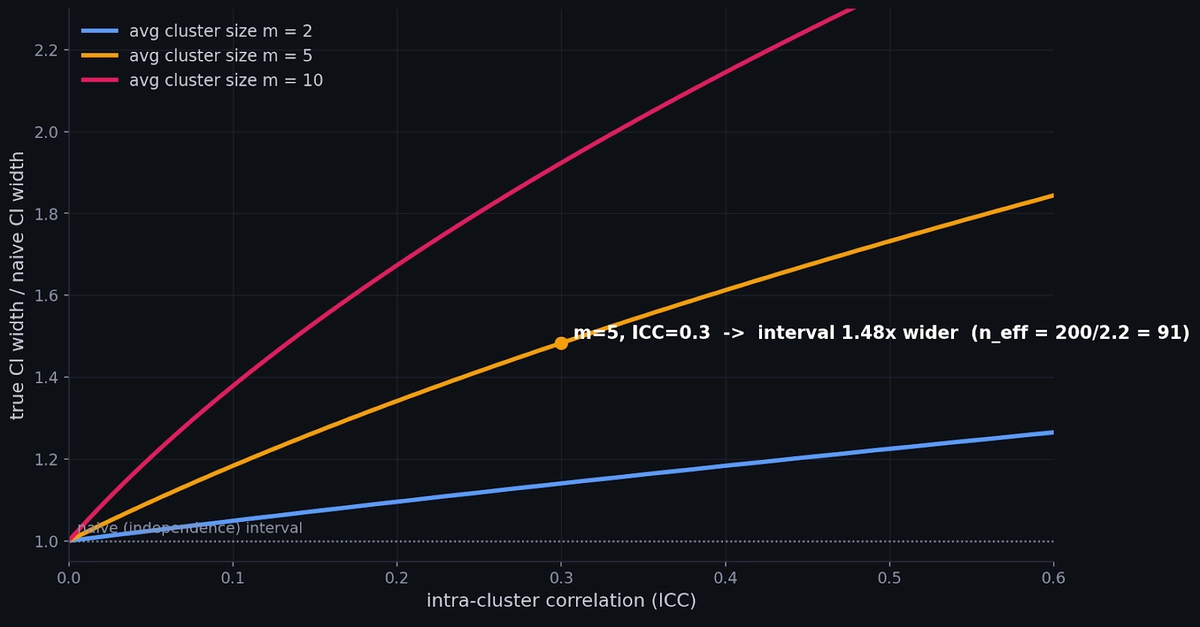
Standard evaluation metrics assume independent data, but real-world datasets often have clusters, leading to overly narrow confidence intervals and false positives.