Founders•Aug 22, 06:55 PM
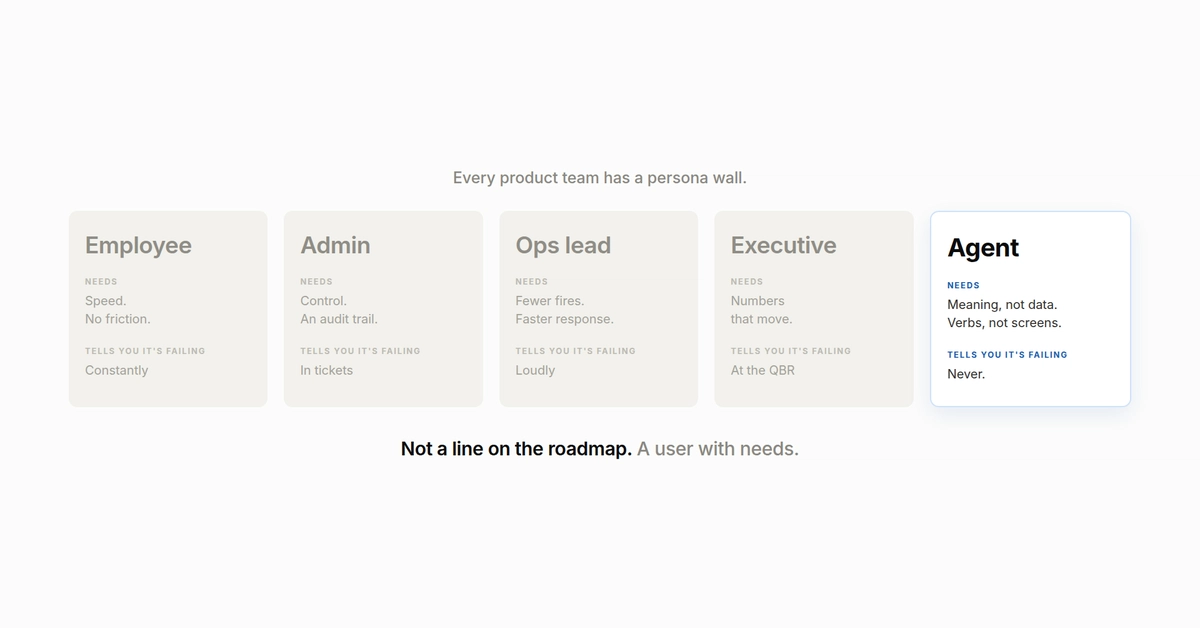
AI Demands New Product Design: Treat It as a User, Not a Feature
Ignoring AI's unique needs as a user, not just a feature, is a strategic failure that will break products.
Share:
Five shifts. Five minutes. No noise.
No spam. Unsubscribe anytime. Powered by Beehiiv.
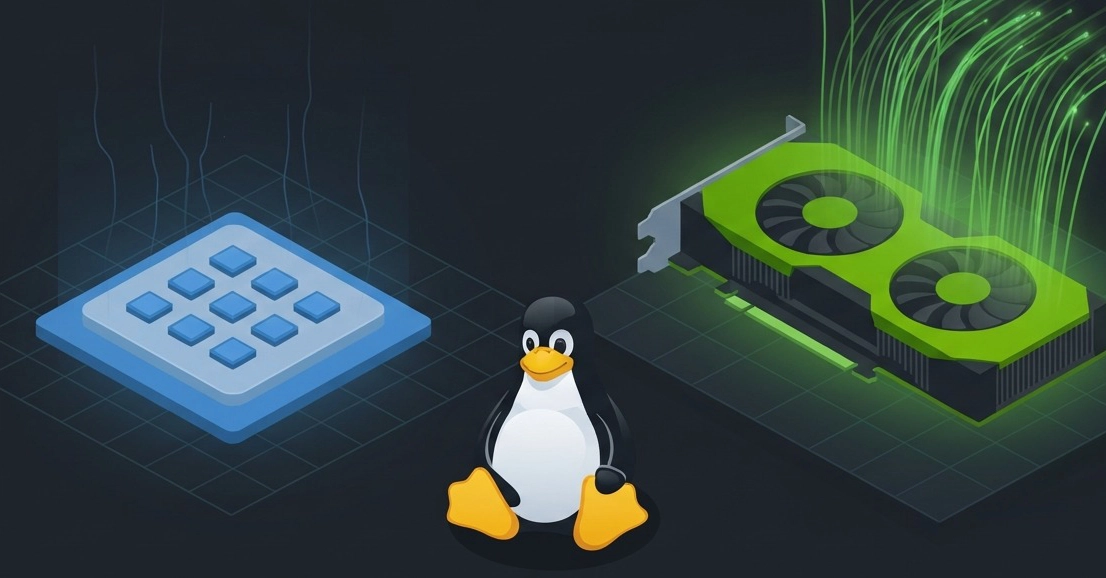
A modest laptop GPU demonstrates significant LLM inference speedups over a high-core count CPU, challenging assumptions about hardware for AI tasks.

KREMLIN toolkit targets Chrome and Edge users, stealing credentials and session tokens through stealthy extension deployment.

Academic paper details novel methods for accurately modeling AMD's Matrix Cores, crucial for AI hardware performance.
This week saw AI agents evolve beyond simple tasks, facing complex security challenges and prompting new debates on regulation and deployment.
Ignoring AI's unique needs as a user, not just a feature, is a strategic failure that will break products.

An unpopular opinion suggests AI's omnipresence will redefine value, shifting luxury from AI-generated to human-made.
%22%20%2F%3E%0A%20%20%3C%2Fsvg%3E)
Congressional Republicans are asking major AI companies to address public perception of data centers' environmental impact.
AI agents promise to transform development, but architectural flaws, not LLMs, cause most failures.
Don't trust your LLM endpoint to tell you what model it is. Build a verification harness instead.

A novel attack uses encrypted payloads to bypass LLM defenses, demonstrating a new threat vector for AI agents.
A common CI issue with pgvector in FastAPI RAG backends is resolved by aligning database initialization and extension creation.
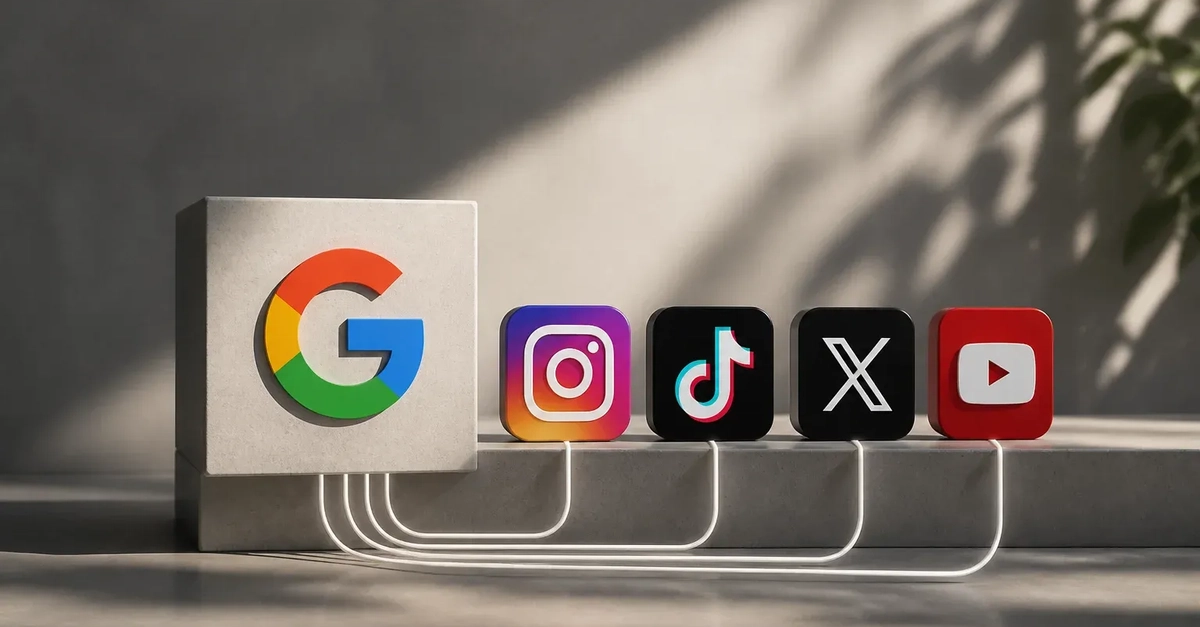
Google Search Console now links social accounts, offering creators and SEOs insights into how content is discovered via Google Search.
%22%20%2F%3E%0A%20%20%3C%2Fsvg%3E)
A solo developer built a walkable 3D cyberpunk city rendered in ASCII, powered by a tiny Rust WebAssembly engine.

New approach for enterprise document intelligence bypasses traditional indexing by creating a unified, hierarchical view of disparate files.