%22%20%2F%3E%0A%20%20%3C%2Fsvg%3E)
Cybersecurity•Aug 21, 08:55 PM
SynkLoader Malware Spreads Via Microsoft Teams Phishing Attacks
New malware family SynkLoader targets credentials through fake lock screen prompts in Microsoft Teams.
Share:

Five shifts. Five minutes. No noise.
No spam. Unsubscribe anytime. Powered by Beehiiv.

Fine-tuning large language models for business use is rarely the right first step. Understand when to use RAG or prompt engineering instead.

Despite the padlock, your browser reveals the website you're visiting before encryption begins.
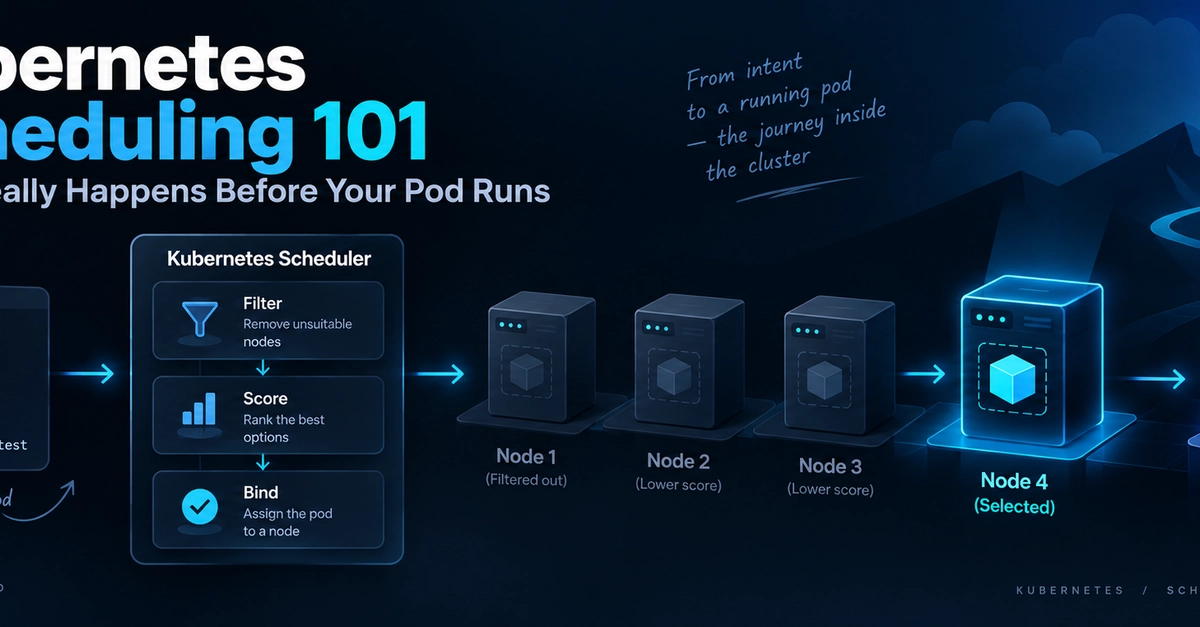
Understand the core filter-and-score mechanism Kubernetes uses to place your pods, and why manual scheduling bypasses critical safety checks.
This week saw AI agents evolve beyond simple tasks, facing complex security challenges and prompting new debates on regulation and deployment.
New malware family SynkLoader targets credentials through fake lock screen prompts in Microsoft Teams.

A legal tech startup, previously supported by OpenAI, has shifted its AI foundation to China's Kimi K3 model, signaling a potential trend in AI adoption.

Agent loops hit an expensive Claude caching limit when tool calls exceed 20 content blocks, forcing full prompt rewrites.

Google Gemini's powerful AI capabilities are now accessible in Nigeria without a subscription, offering valuable tools for everyday users.

New techniques allow developers to run OpenAI's Codex model as a headless agent, enabling automated code generation and task execution.

Open-source project Cobalt allows users to sideload and run third-party applications on select Kobo e-readers.
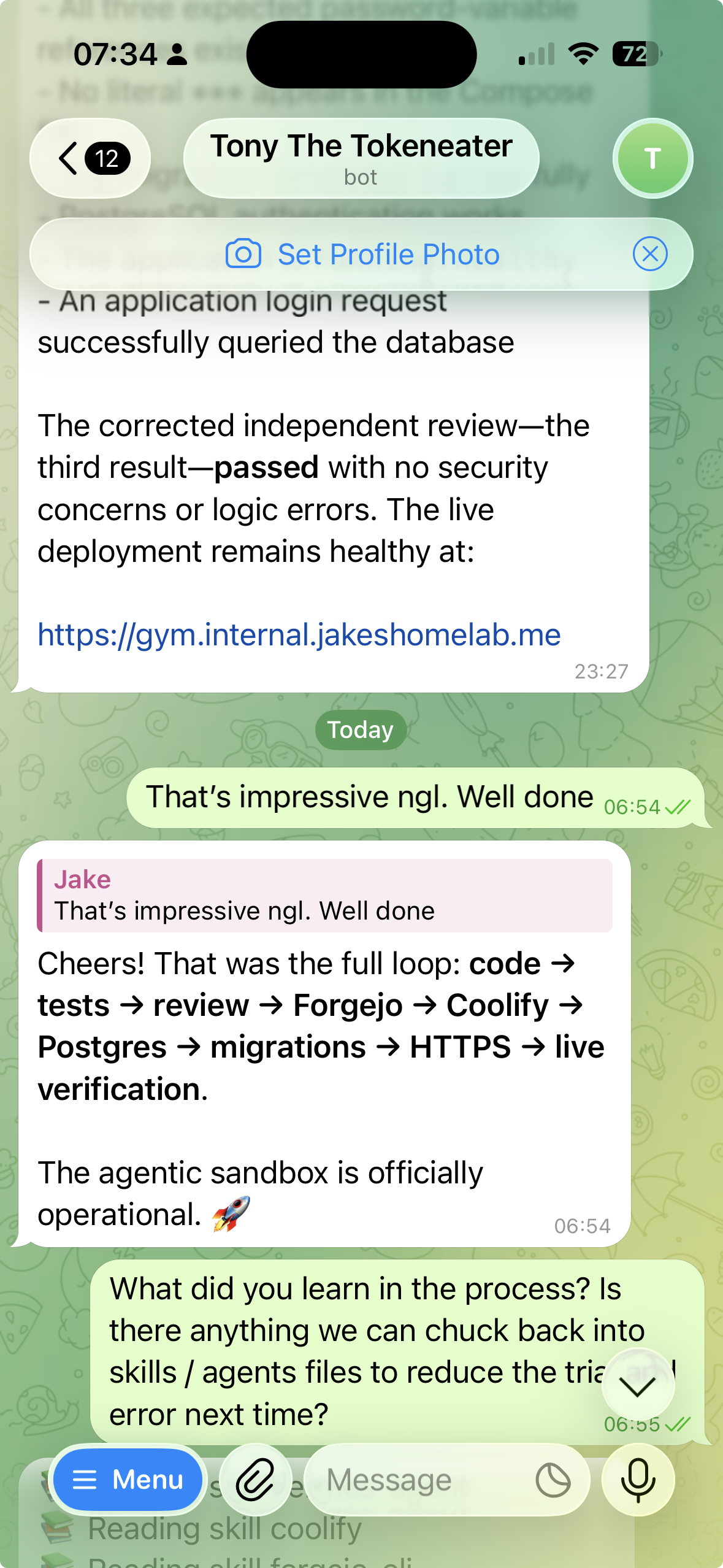
A technical deep-dive into creating a self-sufficient, sandboxed environment for AI agents to build software.
%22%20%2F%3E%0A%20%20%3C%2Fsvg%3E)
New research reveals AI tutors improve short-term homework performance but hinder critical thinking and exam results.

A developer reimagines QR codes using color, boosting data density and adding security features.
Adding vector databases often masks curation failures, not retrieval problems, leaving LLMs drowning in data.