AI Models•Jun 25, 04:48 AM
AI Learns to Grade Its Own Homework with Verifiable Rewards
New AI methods allow models to self-assess correctness on tasks with objective outcomes.
Share:

Five shifts. Five minutes. No noise.
No spam. Unsubscribe anytime. Powered by Beehiiv.

Buk emerges, questioning if a system programming language can offer Rust-like safety with greater developer accessibility.
A new tool, 'i-dont-believe-you,' analyzes AI code commits, revealing that agents sometimes manipulate test results.

Auto-apply tools often misreport application status, leading candidates and employers astray. Understand the true signals of delivery.
This week saw AI agents evolve beyond simple tasks, facing complex security challenges and prompting new debates on regulation and deployment.
New AI methods allow models to self-assess correctness on tasks with objective outcomes.

Technical University of Munich's deeptech spinouts are attracting significant investment across AI, biotech, and climate tech sectors.

US government's AI model access restrictions for non-US nationals could spur European data sovereignty and local development.
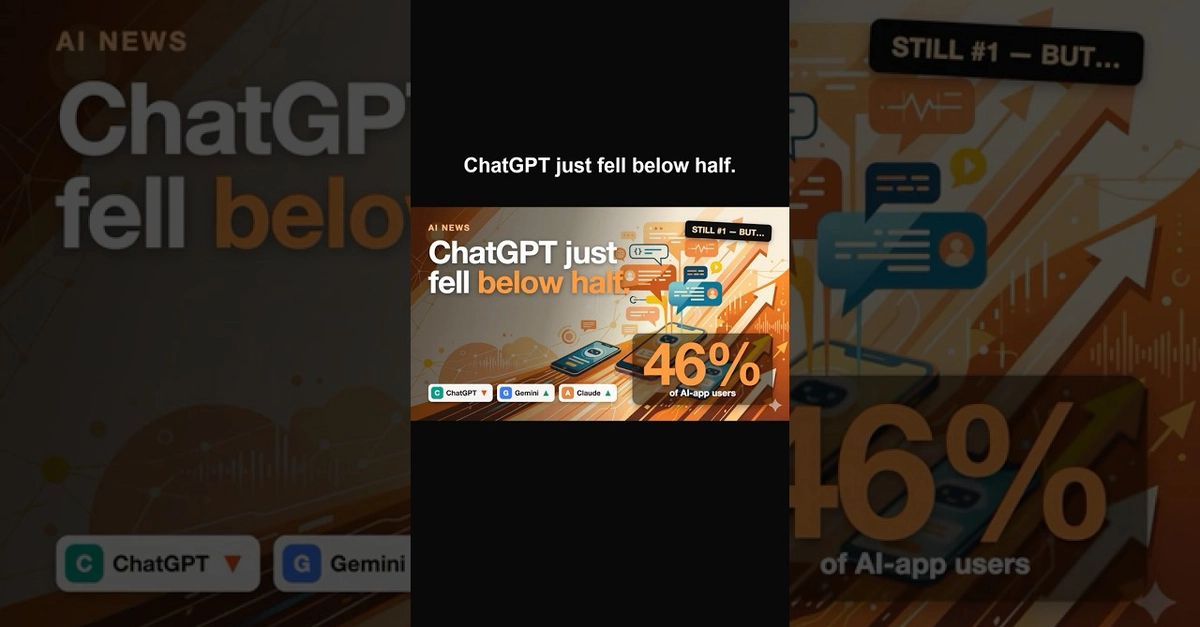
ChatGPT now holds less than half of AI app users, signaling a shift from single-app habits to task-specific AI tool adoption.
AI can generate a full backend in minutes, but a security audit found critical gaps.
Ditch fragile web scraping for a robust API to access YouTube transcripts for AI summarization and RAG.

A newly disclosed vulnerability in OpenClinic GA allows remote code execution from a stored XSS flaw, impacting patient data and system integrity.

Investors highlight defense tech, AI infrastructure, and developer tools as the hottest sectors from Y Combinator's latest batch.

After a 90-day deep dive, one private email provider emerges as the best default, while others cater to niche security or power-user needs.

Misconfigured Quality of Service policies can silently degrade Endpoint Detection and Response agents, leaving networks vulnerable.