Knowledge Graphs: The Underappreciated AI Substrate for Insurance
Insurers miss the true power of knowledge graphs by limiting them to fraud detection. They are the relational substrate AI needs to understand complex insurance connections.

Five shifts. Five minutes. No noise.
No spam. Unsubscribe anytime. Powered by Beehiiv.

New methods allow LangGraph agents to leverage PostgreSQL databases for state management and data retrieval.

Retrieval-Augmented Generation (RAG) grounds AI responses in your own knowledge bases, boosting trust and efficiency.

Cloudflare shrinks DNS cache entries, reclaiming massive RAM resources without hardware changes.

Insurers miss the true power of knowledge graphs by limiting them to fraud detection. They are the relational substrate AI needs to understand complex insurance connections.

Yelp's extensive local business data is now integrated into OpenAI's ecosystem, promising more accurate AI-driven local recommendations.

Beyond raw backlinks, AI search prioritizes trusted mentions, earned media, and consistent information for brand authority.

New report reveals AI local discovery is a distinct visibility channel, not an extension of Google's 3-pack.

Database failovers preserve uptime but can serve incorrect answers, leading to subtle application bugs.

Early sepsis detection and patient deterioration alerts from AI systems often get ignored due to alert fatigue, highlighting a critical gap between model performance and real-world clinical utility.

A doctoral researcher is surveying European leaders to understand if generative AI enhances or diminishes their autonomy.

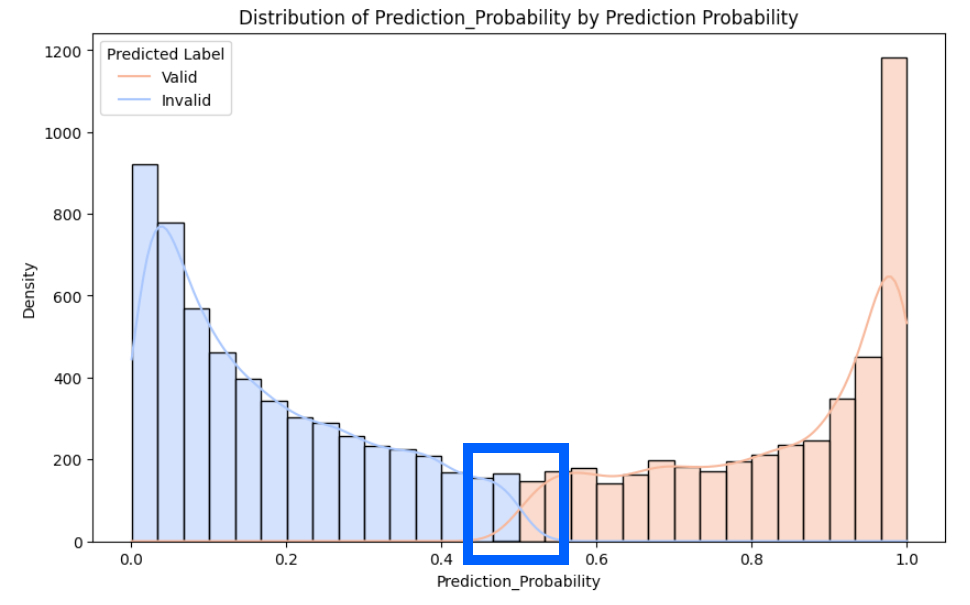
Smart ML systems can now identify the data points that need human review, saving significant time and money.

A practical guide to replicating core RAG retrieval baselines on limited hardware, including pitfalls and fixes.

Beyond simple averaging, the mean's historical journey reveals its profound impact on science and society.