
The Promise and Peril of AI in Clinical Settings
Hospitals are increasingly adopting artificial intelligence tools designed to improve patient care, particularly in critical areas like early sepsis detection and monitoring for patient deterioration. The theoretical benefits are immense: faster intervention, reduced mortality rates, and optimized resource allocation. However, the reality on the ground, especially during the demanding night shifts, often falls short of this promise. A common sentiment among clinicians is that while some AI alerts are accurate and valuable, a significant number are false positives. This overabundance of alerts, even from sophisticated AI models, leads to a phenomenon known as alert fatigue, where healthcare professionals become desensitized and may hesitate to act on critical warnings.
The core challenge appears to be less about the AI model's inherent accuracy and more about its integration into the existing, complex, and often chaotic clinical workflow. When an AI system's output doesn't seamlessly align with how clinicians actually work, its effectiveness is dramatically reduced. This disconnect can manifest in several ways: the alerts may be too frequent, too late, or simply not presented in a manner that facilitates immediate, actionable decision-making. The result is a system that, despite its technological sophistication, fails to consistently change patient care for the better, leaving clinicians in a state of uncertainty about its overall value.
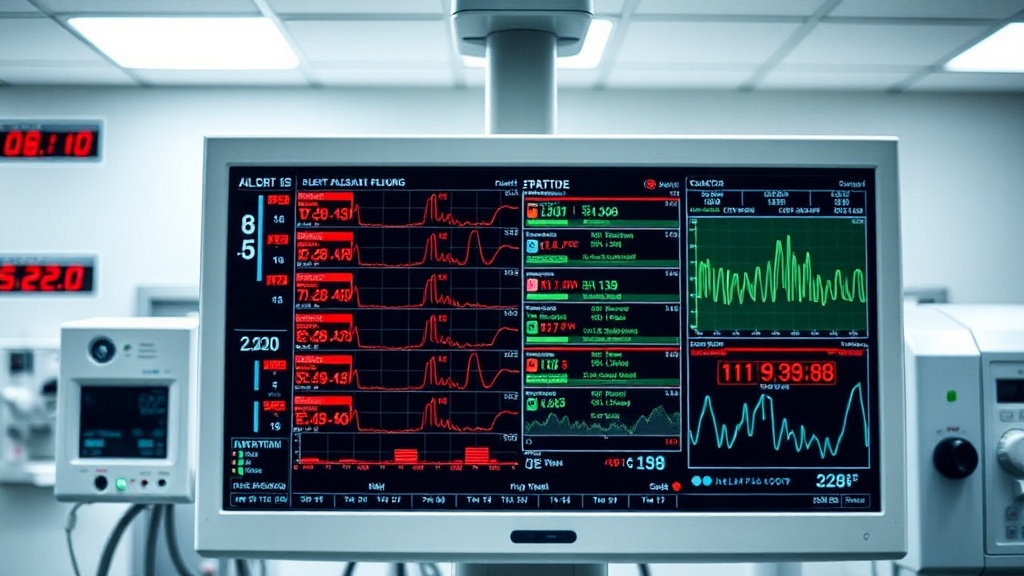
Bridging the Gap: Model, Presentation, or Workflow?
The question of where the biggest disconnect lies—whether it's the AI models themselves, how their outputs are presented to clinicians, or the fundamental realities of working in a busy hospital—is crucial for the future adoption and success of these technologies. While AI models are constantly improving in their ability to identify patterns indicative of serious conditions, their performance in a live clinical environment is a different beast.
One perspective is that the models, while statistically sound, may not capture the nuanced, multi-factorial nature of patient health that experienced clinicians intuitively grasp. A patient's condition is rarely a single data point; it's a complex interplay of vitals, history, symptoms, and even subtle behavioral cues. AI systems, often trained on specific datasets, might struggle with edge cases or patients presenting with atypical symptoms. Furthermore, the threshold for triggering an alert is a critical design parameter. Too sensitive, and you get overwhelming false alarms; too conservative, and you miss crucial early warnings.
The presentation layer is equally important. If an AI alert appears as just another beep on an already cacophonous monitor, or if it requires multiple steps to access detailed context, its utility diminishes. Clinicians need alerts that are clear, concise, prioritized, and readily integrated into their existing dashboard or electronic health record (EHR) system. The information provided must be immediately understandable and actionable. For instance, an alert for potential sepsis should ideally not just state the risk but also highlight the specific vital signs or lab results that contributed to the assessment, alongside suggested next steps based on clinical guidelines.
However, many argue that the most significant hurdle is the inherent nature of hospital operations. Night shifts, in particular, are characterized by reduced staffing, increased workload per clinician, and a different patient acuity distribution compared to daytime hours. AI systems must be designed to be robust and useful within these constraints, not just in an idealized laboratory setting. This means considering the cognitive load on clinicians, the available resources, and the typical decision-making processes under pressure. If an AI system introduces additional steps or requires a level of focus that is difficult to maintain during a busy night, it will likely be bypassed, regardless of its potential accuracy.

The Human Factor: Trust and Workflow Integration
Ultimately, the success of AI clinical tools hinges on building trust and achieving seamless workflow integration. Clinicians are the end-users, and their buy-in is paramount. When an AI system consistently generates false alarms, it erodes trust, making it harder for clinicians to believe critical alerts when they do appear. This is akin to the boy who cried wolf; the more unreliable the system, the less likely it is to be heeded when it matters most.
The path forward likely involves a multi-pronged approach. Developers need to work more closely with frontline clinicians from the initial design phase, not just for testing, but for understanding the intricate details of clinical workflows and the cognitive demands placed on healthcare professionals. This includes co-designing alert systems that are context-aware, providing clear reasoning for their outputs, and offering actionable recommendations that fit naturally into existing protocols. Furthermore, the implementation of these tools must include comprehensive training and ongoing support to ensure clinicians understand their capabilities and limitations.
The reality of a busy hospital is a constant balancing act. AI tools must augment, not complicate, this process. The most successful systems will be those that demonstrably reduce the burden on clinicians, improve diagnostic accuracy without creating noise, and ultimately lead to better patient outcomes. Until AI systems can consistently prove their value in the high-stakes, high-pressure environment of a hospital ward, their transformative potential will remain largely unrealized.
The surprising detail here is not that some AI alerts are missed, but that even when an AI system *does* correctly identify a critical condition, the overall impact on care can still be uncertain due to the cumulative effect of false alarms. This suggests that the problem isn't just about building a more accurate model, but about building a more trustworthy and integrated system.