
The Evolving Landscape of Search Authority
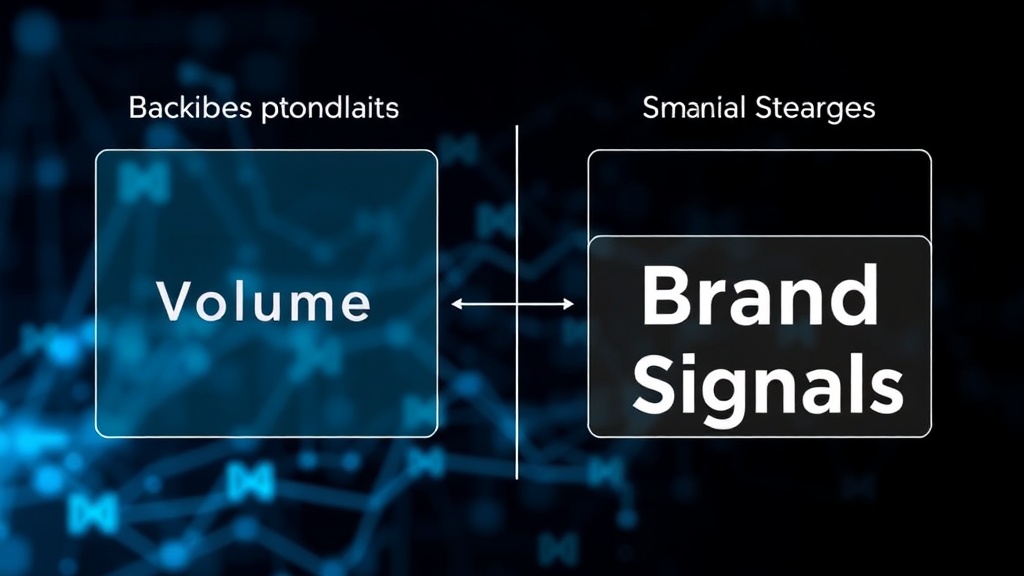
Search engine optimization (SEO) has long relied on backlinks as a primary indicator of a website's authority and trustworthiness. The sheer volume of links pointing to a domain served as a quantifiable proxy for its perceived importance and credibility. However, the advent and increasing sophistication of AI-powered search experiences are fundamentally reshaping this paradigm. The raw count of backlinks is rapidly becoming a less useful metric for establishing authority in an era where search engines are not just indexing content but synthesizing answers and understanding brand reputation more holistically.
This shift is not the result of a single algorithmic update from a specific search provider. Instead, it represents a broader, emergent framework within the SEO industry. This new understanding of authority places greater weight on a wider array of signals that collectively demonstrate a brand's credibility. These include trusted mentions, earned media coverage, consistent information dissemination across authoritative platforms, and the overall digital footprint of a brand.
The core argument, as analyzed by Search Engine Land, is that for businesses aiming for visibility within AI-generated search results, demonstrating authority must move beyond a simple backlink tally. This means cultivating a strong, verifiable brand presence that goes beyond technical SEO metrics. Think of it less like collecting trading cards (backlinks) and more like building a reputation at a community town hall – your consistent actions, what others say about you, and your reliable presence matter more than just the number of people who handed you a card.
What Constitutes Brand Signals in AI Search?
Brand signals are multifaceted and encompass various indicators of a brand's perceived value, expertise, and trustworthiness. In the context of AI-driven search, these signals are interpreted by sophisticated algorithms to assess a brand's suitability for inclusion in synthesized answers or featured snippets. The key components of these signals include:
- Earned Media and Mentions: Positive coverage from reputable news outlets, industry publications, and respected blogs carries significant weight. These are not paid placements but genuine editorial endorsements. When authoritative sources discuss a brand, its products, or its expertise, AI systems can interpret this as a strong signal of relevance and credibility.
- Consistent Information Across Platforms: A brand's ability to present uniform and accurate information across its website, social media profiles, and third-party directories signals reliability. Inconsistencies can raise red flags for AI, suggesting a lack of control or accuracy in brand messaging.
- Expertise, Authoritativeness, and Trustworthiness (E-A-T) Signals: While E-A-T has been a long-standing concept in SEO, AI is enhancing its application. This involves demonstrating deep knowledge in a specific domain, having recognized experts associated with the brand, and maintaining a strong track record of trustworthiness. This can be evidenced through author bios, credentials, user reviews, and case studies.
- Audience Engagement and Sentiment: The way an audience interacts with a brand's content and the overall sentiment expressed in discussions about the brand can also serve as a signal. High engagement and positive sentiment, particularly on authoritative platforms, can contribute to a brand's perceived authority.
- Brand Search Volume and Direct Traffic: An increase in people directly searching for a brand name or visiting a brand's website without a specific search query can indicate brand recognition and loyalty, which AI systems may factor into authority assessments.
Why the Shift to Brand Signals?
The transition from a link-centric model to one that prioritizes brand signals is a natural evolution driven by the capabilities of AI. Traditional search engines often relied on backlinks as a scalable, albeit imperfect, way to gauge a page's or site's importance. A high number of links suggested that other entities found the content valuable enough to reference. However, this system was susceptible to manipulation through link farms and paid link schemes, leading to inflated authority scores for less credible sites.
AI-powered search, particularly generative AI, aims to provide direct, synthesized answers to user queries. To do this reliably, it needs to trust the sources it draws from. Simply counting links is insufficient for this task. AI needs to understand the *quality* and *context* of mentions. A single mention on a highly authoritative, relevant site like The New York Times or Nature can be far more valuable than hundreds of links from obscure or irrelevant directories. This is akin to a doctor trusting a peer-reviewed medical journal article over a blog post written by an anonymous individual.
Furthermore, AI is adept at identifying patterns and understanding nuance. It can analyze the sentiment of mentions, the credibility of the publishing platform, and the consistency of information across the web. This allows AI search to build a more robust and accurate profile of a brand's true authority than a simple backlink count ever could. The goal is to provide users with answers that are not only relevant but also accurate and trustworthy, and brand signals are a better indicator of that trustworthiness.
Implications for Businesses and SEO Practitioners
For businesses and their SEO teams, this evolving landscape demands a strategic pivot. The focus must shift from accumulating backlinks at all costs to building and amplifying genuine brand authority. This involves a more integrated approach to digital marketing:
- Content Strategy: Create high-quality, original content that establishes expertise and provides unique value. This content should be designed to attract earned media and be referenced by authoritative sources.
- Public Relations and Earned Media: Invest in PR efforts to secure coverage in reputable publications. This includes thought leadership pieces, expert commentary, and newsworthy announcements.
- Brand Consistency: Ensure brand messaging, information, and visual identity are consistent across all online channels. Maintain accurate and up-to-date profiles on relevant directories and platforms.
- Reputation Management: Actively monitor online mentions and address any inaccuracies or negative sentiment. Encourage customer reviews on reputable platforms.
- Expertise Demonstration: Highlight the credentials and expertise of individuals within the organization. Position them as thought leaders through interviews, webinars, and published works.
What nobody has addressed yet is the long-term impact on smaller businesses or newer entrants that may struggle to gain traction in earned media against established players. Will AI search create a more insurmountable moat for incumbents, or will unique value propositions eventually break through the noise?
The Future of Search Authority
The move toward brand signals in AI search is not a rejection of technical SEO but an expansion of its scope. Backlinks will likely remain a component, but their diminishing role as a sole authority proxy is clear. The emphasis is on building a robust, credible, and consistent brand presence that resonates across the digital ecosystem. As AI continues to evolve, so too will the metrics and strategies required to achieve visibility. Brands that invest in genuine authority, demonstrated through earned media, consistent messaging, and verifiable expertise, will be best positioned to succeed in the next generation of search.