
AI Models•Jul 12, 10:55 AM
AI's Rationality Flaw: Proposing Computational Cognitive Mechanics
A new research field aims to model AI decision-making on human bounded rationality, using physics principles.
Share:
Five shifts. Five minutes. No noise.
No spam. Unsubscribe anytime. Powered by Beehiiv.

The influential Linux distribution has formally adopted a policy allowing the responsible integration of generative AI tools.

LegalTechs are moving beyond generic AI chatbots to multi-agent workflows for complex legal tasks, ensuring human oversight.
Beyond initial enthusiasm for parallelism, mastering agentic graphs requires careful consideration of loops, costs, and agent coordination.
A new research field aims to model AI decision-making on human bounded rationality, using physics principles.
Slash AI costs by 30-70% by optimizing token usage, not just price. Focus on context and model choice.

A new AI memory system promises to link information from diverse applications, creating a unified knowledge base for users.

New AI tool Miora offers an editable canvas with agent memory, aiming to enhance creative workflows.

Deploying Large Language Models across decentralized nodes using iroh addresses scalability and resilience challenges.
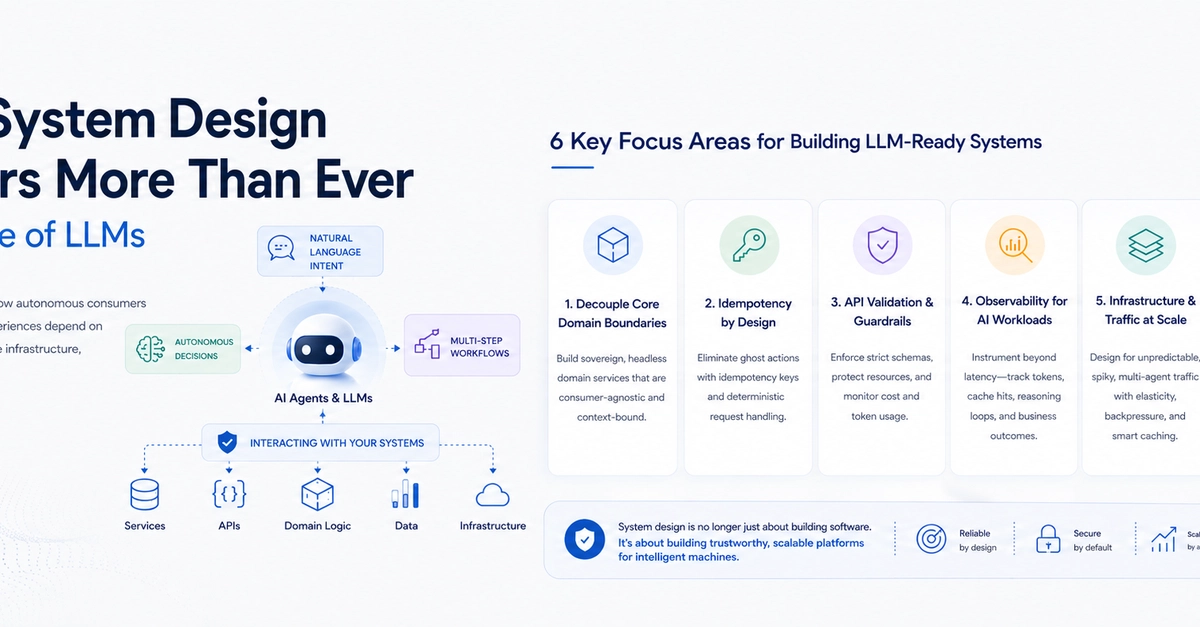
As AI agents generate code and infrastructure, engineers must shift focus from implementation to robust system architecture.

New tool identifies if ML models predict material properties based on metadata, not scientific principles.

Ablation reveals that the limited egocentric view, not the algorithm, determined learning success in a cooperative multi-agent RL setup.

A new AI memory system misinterprets rule changes, flagging unchanged policies as new, revealing a hard limit in its understanding.

Forget magic prompts. Seedance 2.0's image-to-video generation thrives on controlled inputs and iterative refinement.