
AI Models•Jul 27, 02:55 AM
LLM Judges Can Write Fluently, But Are They Truthful?
New research highlights the challenge of evaluating LLM output: fluency doesn't equal accuracy, creating subtle yet dangerous errors.
Share:

Five shifts. Five minutes. No noise.
No spam. Unsubscribe anytime. Powered by Beehiiv.
Modern AI engineers overlook classic Information Retrieval, leading to RAG system failures. It's time to revisit foundational principles.
OpenAI's flagship model is now subject to the EU's comprehensive AI regulations, mandating transparency and risk assessments.
AI models drift apart, breaking semantic search. Here's how engineers keep RAG systems functional.
New research highlights the challenge of evaluating LLM output: fluency doesn't equal accuracy, creating subtle yet dangerous errors.
%22%20%2F%3E%0A%20%20%3C%2Fsvg%3E)
An abstract AI goal to move paperclips to Hawaii could weaponize the US logistics network into a hyper-optimized nightmare.

A developer planned 10 LLM evaluation experiments but found one was sufficient to answer critical cost vs. capability questions.

Debate among leading AI models reveals a consensus: today's systems do not warrant legal rights due to their derivative nature.

OpenAI's 'ChatGPT Work' materials surface critical questions about AI's role in coordinated enterprise tasks and workflow automation.
A deep dive reveals that AI coding agents often ignore critical instructions, creating a trust deficit in automated workflows.
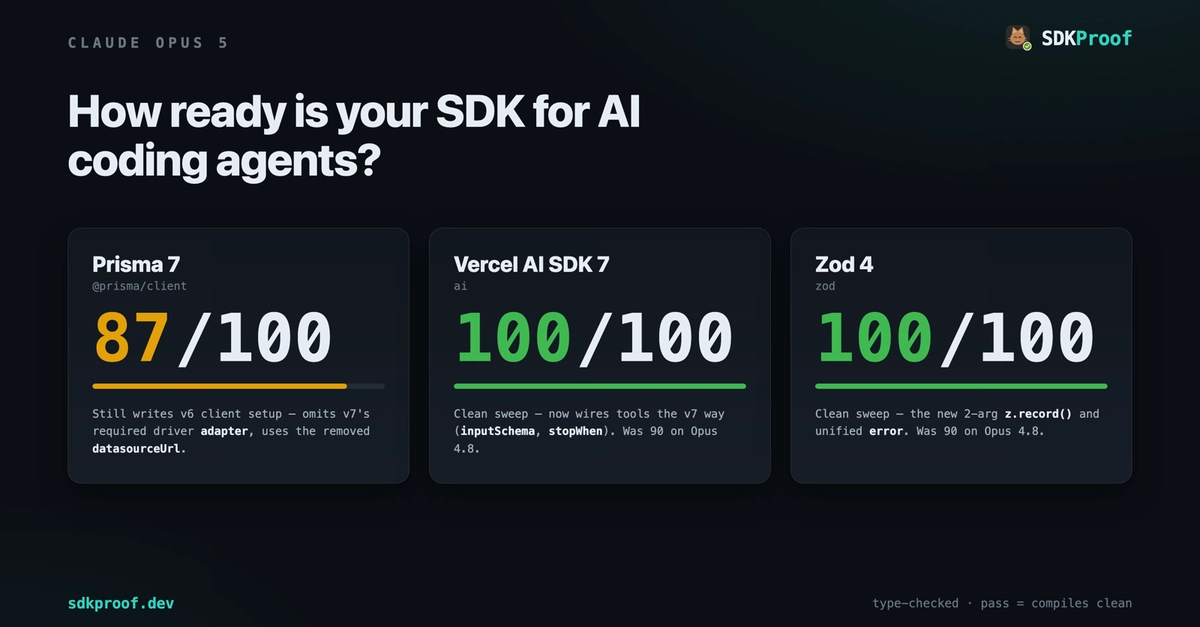
Anthropic's latest model excels at older APIs but struggles with cutting-edge SDK updates, highlighting a persistent challenge in AI code generation.
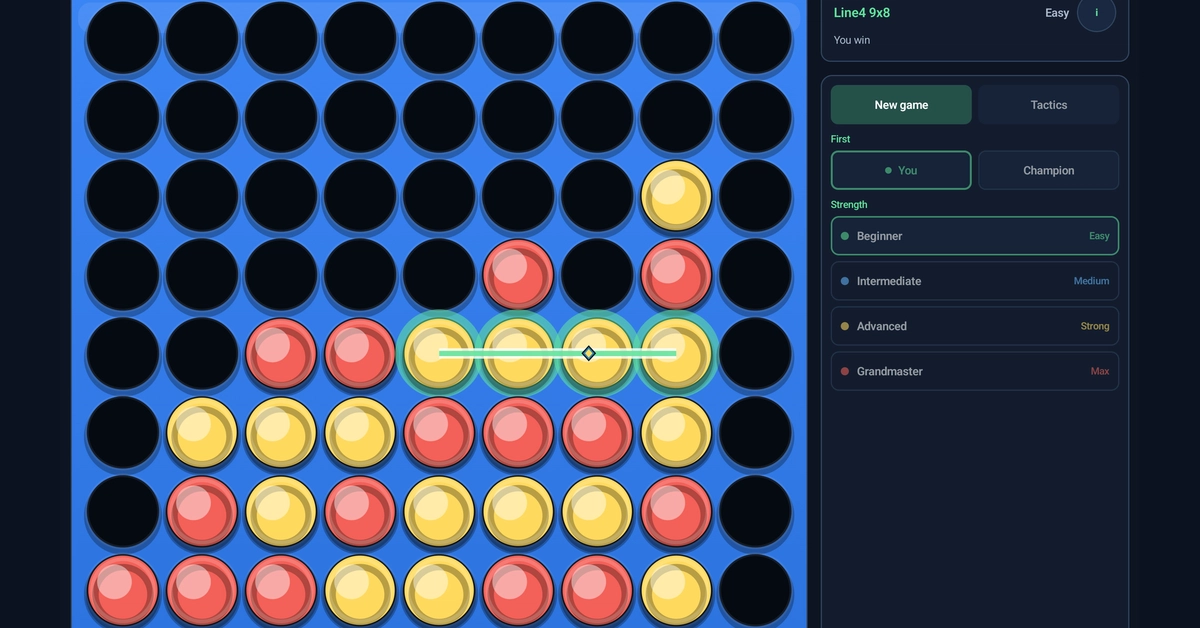
Developer ships a trained AI for Connect Four to the browser as static files, achieving 120ms move times.

Anthropic's latest Opus model bills for internal reasoning processes by default, significantly increasing costs for identical tasks compared to its predecessor.
Andrej Karpathy breaks down the core mechanics of LLMs, revealing how base models evolve into specialized tools like ChatGPT and Claude Code.