
The Enterprise AI Frontier: Beyond Individual Prompts
OpenAI's recently surfaced 'ChatGPT Work' materials are forcing a critical re-evaluation of artificial intelligence's role within enterprise environments. These documents, detailing capabilities, governance, and rollout strategies, pivot the conversation from individual AI assistance to the potential for coordinated, multi-step work. The core question is no longer just about answering prompts, but about how AI can actively support complex workflows, generate reusable outputs, and integrate into connected business processes. While the full feature set, pricing, and availability remain unarticulated, the available information underscores the need for a disciplined, evidence-based approach to evaluating these new AI capabilities for business adoption.
The allure of a workplace AI that can transform disparate requests into actionable plans or automated workflows is immense. Such a tool could redefine knowledge work, extending its impact far beyond the scope of single-user chat sessions. However, the current materials stop short of substantiating claims related to autonomous web or application generation, leaving a gap between perceived potential and demonstrable functionality. This ambiguity necessitates a cautious yet informed approach for organizations considering integration.
Navigating the Automation Potential
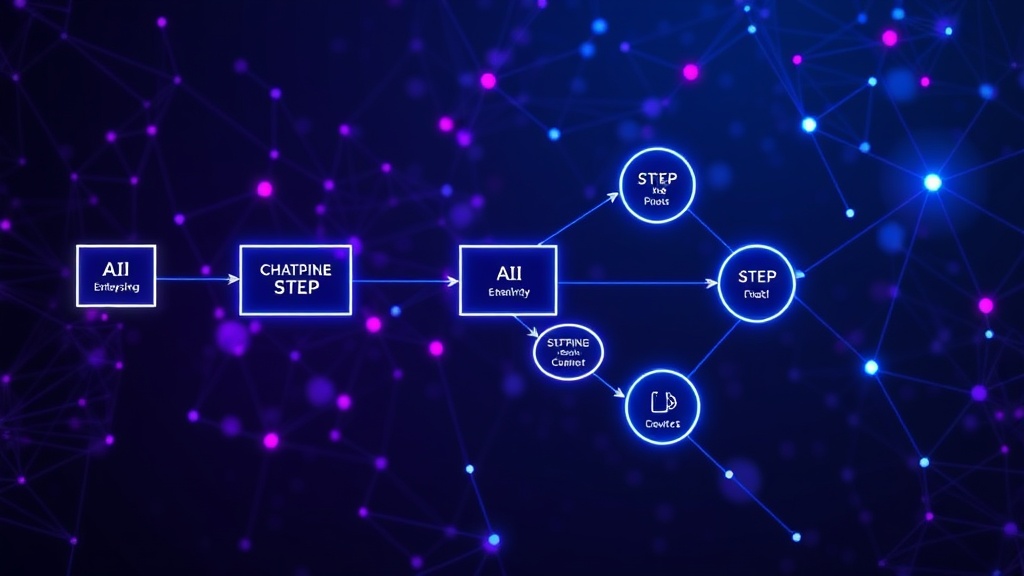
The promise of automation through AI assistants like ChatGPT Work is a primary driver of enterprise interest. Imagine an AI that doesn't just draft an email, but can initiate a project, assign tasks based on predefined roles, track progress, and flag dependencies. This level of integrated workflow automation could dramatically boost productivity and streamline operations. However, the current documentation does not provide concrete examples or detailed specifications for how these advanced automation capabilities would function in a real-world enterprise setting. This leaves a significant unknown for IT leaders and project managers tasked with implementing such technologies.
The potential impact on knowledge work is profound. Tasks that currently require significant human coordination, such as onboarding new employees, managing complex project timelines, or generating detailed reports from multiple data sources, could theoretically be handled or significantly assisted by advanced AI. The challenge lies in discerning what is currently achievable versus what is aspirational. Enterprise adoption hinges on tangible, repeatable results, not just theoretical possibilities. The lack of a complete public feature list means that organizations must look beyond marketing materials and focus on verifiable use cases and performance metrics.
Governance and Security: The Unseen Hurdles
Beyond the functional capabilities, the governance and security implications of deploying advanced AI in the enterprise are paramount. Organizations must grapple with data privacy, intellectual property protection, and the potential for AI-generated content to introduce errors or bias. The 'ChatGPT Work' materials touch upon governance, but the specifics of how OpenAI intends to ensure compliance with enterprise-grade security protocols and regulatory requirements are not yet fully detailed. This creates a significant hurdle for risk-averse organizations. Establishing clear policies for AI usage, defining accountability for AI-generated outputs, and ensuring data security will be critical steps before widespread adoption can occur.
The question of how to manage AI-driven workflows also raises complex governance challenges. Who is responsible when an AI makes a mistake that impacts a client or a critical business process? How can audit trails be maintained for AI-driven decisions? These are not trivial questions. They require a robust framework that integrates AI tools into existing compliance and risk management structures. The current documentation offers a starting point, but a comprehensive enterprise solution will demand more granular controls and transparent operational parameters. The absence of a clear pricing model further complicates budgeting and resource allocation for AI initiatives, making it difficult for businesses to commit to large-scale deployments without a clearer understanding of the financial investment required.
Rollout Strategies and Enterprise Readiness
The enterprise rollout of AI tools is rarely a simple plug-and-play operation. It involves significant integration with existing IT infrastructure, extensive employee training, and careful change management. OpenAI's materials acknowledge the need for an enterprise rollout strategy, but the specifics of availability schedules and deployment options are not yet public. This lack of concrete information makes it difficult for businesses to plan their AI adoption roadmap effectively. Prospective buyers are left to evaluate potential use cases against current capabilities, a process that is hampered by incomplete information about the product's lifecycle and support structure.
For IT departments, the challenge is to integrate these new AI capabilities without disrupting existing systems or introducing new vulnerabilities. This requires a phased approach, starting with pilot programs and gradually scaling up as confidence in the technology and its management grows. The lack of a defined availability schedule means that companies cannot set firm deadlines for AI integration, potentially delaying strategic initiatives. Disciplined evaluation, focusing on verifiable benefits and robust security measures, is therefore more critical than ever. Organizations should prioritize understanding the AI's current limitations and the roadmap for future enhancements before committing significant resources.