

GLM-5.3: Open-Weights Model Surges in Coding and Cybersecurity After Post-Training
Z.ai's GLM-5.3 achieves dramatic gains in coding and cybersecurity solely through post-training, validating new AI development paradigms.

Five shifts. Five minutes. No noise.
No spam. Unsubscribe anytime. Powered by Beehiiv.

AI tools offer easy answers, but true learning demands deeper inquiry and experimentation.
Researchers explore embedding adversarial examples in code to disrupt AI agents, but face significant hurdles.

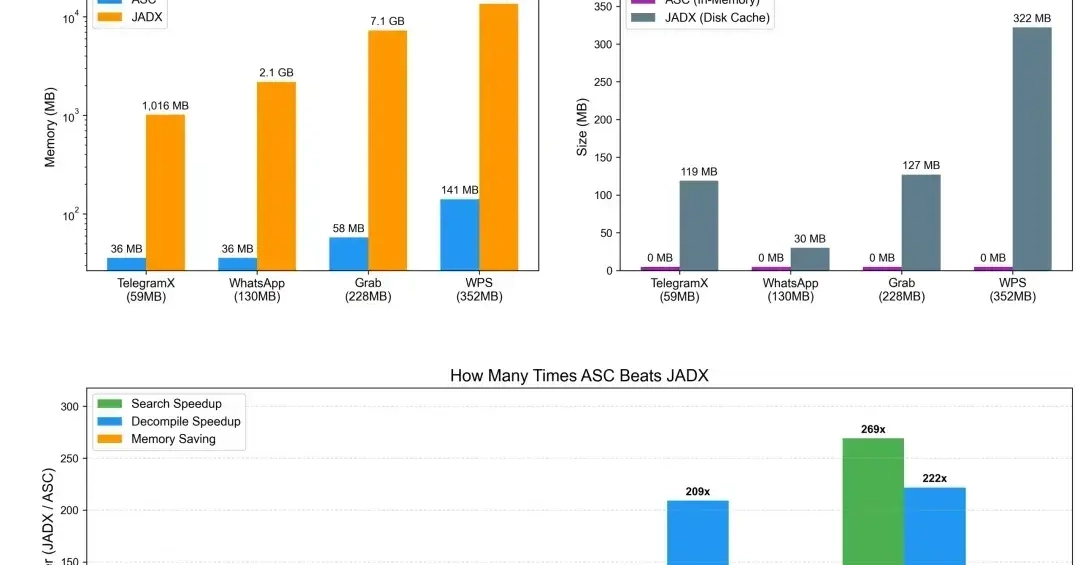
A new Rust CLI tool offers substantial cost and performance gains for LLM developers by intelligently pruning JavaScript and TypeScript codebases.
This week's tech news highlights the growing pains of AI agent autonomy, the critical need for cloud cost management, and evolving security paradigms.

Z.ai's GLM-5.3 achieves dramatic gains in coding and cybersecurity solely through post-training, validating new AI development paradigms.

Researchers report the first superconductor featuring just one atomic layer of copper-oxygen planes, a critical step toward understanding high-temperature superconductivity.

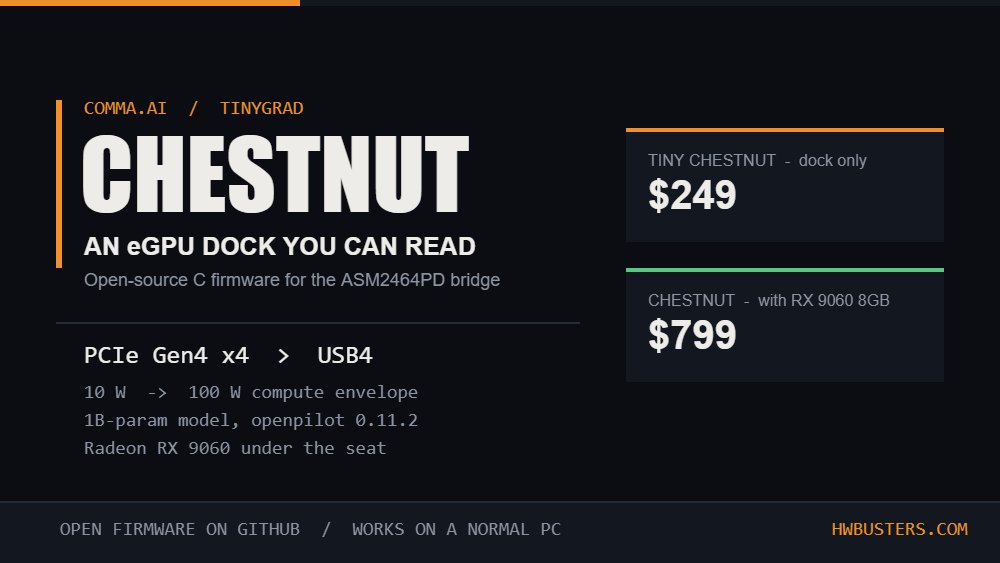
A new external GPU dock, Chestnut, emerges with a focus on open-source firmware, appealing to developers and tinkerers.

One developer consolidates his AI stack around Littlebird, ditching ChatGPT, Claude, and Perplexity Pro for a unified orchestration layer.

Industrial B2B cybersecurity faces a UX gap: complex problems demand tailored digital experiences.

A routine debugging session exposed the data exfiltration risk in popular free online dev tools, prompting an offline solution.

A new web app uses Google's Gemini Vision to interpret dog photos, offering a 'judgment' score and sarcastic inner monologues.

Hybrid key exchange in TLS 1.3 integrates quantum-resistant algorithms without overhauling existing infrastructure, but introduces new complexities.

A direct comparison of n8n, Make, and Zapier reveals significant limitations in Make's free tier for real-world automation.
A 10,000-hour test reveals OLED burn-in hasn't improved, but new panels are brighter and more efficient.