
Developers•Aug 19, 04:55 AM
Developer's SMESH QUIC Transport Ignored for Months: Why it Didn't Run
A developer built a QUIC transport for a decentralized protocol, but it lay dormant until rigorous testing revealed its hidden potential.
Share:

Five shifts. Five minutes. No noise.
No spam. Unsubscribe anytime. Powered by Beehiiv.

A safeguard designed to prevent tests from writing to production logs was bypassed, raising questions about test isolation.
A user found ChatGPT struggles to retain and recall critical context, even with custom instructions and file uploads.
A seemingly simple line of code for parsing Markdown tables caused identical bugs across multiple tools, highlighting a common pitfall in robust software development.
This week saw AI agents evolve beyond simple tasks, facing complex security challenges and prompting new debates on regulation and deployment.
A developer built a QUIC transport for a decentralized protocol, but it lay dormant until rigorous testing revealed its hidden potential.

A critical unauthenticated RCE vulnerability (CVE-2026-15748) in Forminator Forms can be exploited via forged upload settings.

A developer's custom LLM agent unexpectedly racks up a massive token bill for a single task, revealing hidden costs.
%22%20%2F%3E%0A%20%20%3C%2Fsvg%3E)
Cerebras unveils the CS4, a massive AI supercomputer leveraging its Wafer Scale Engine 3, promising a significant leap in training and inference performance.
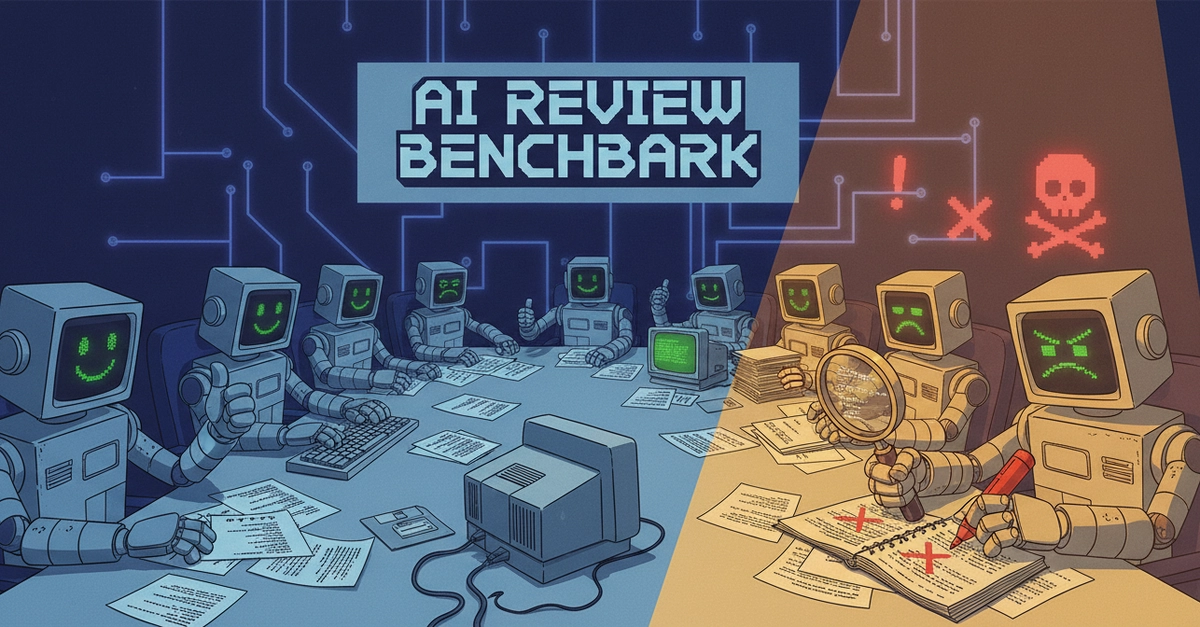
A new benchmark reveals most AI models fail critical reviews, simply parroting input documents instead of providing genuine analysis.
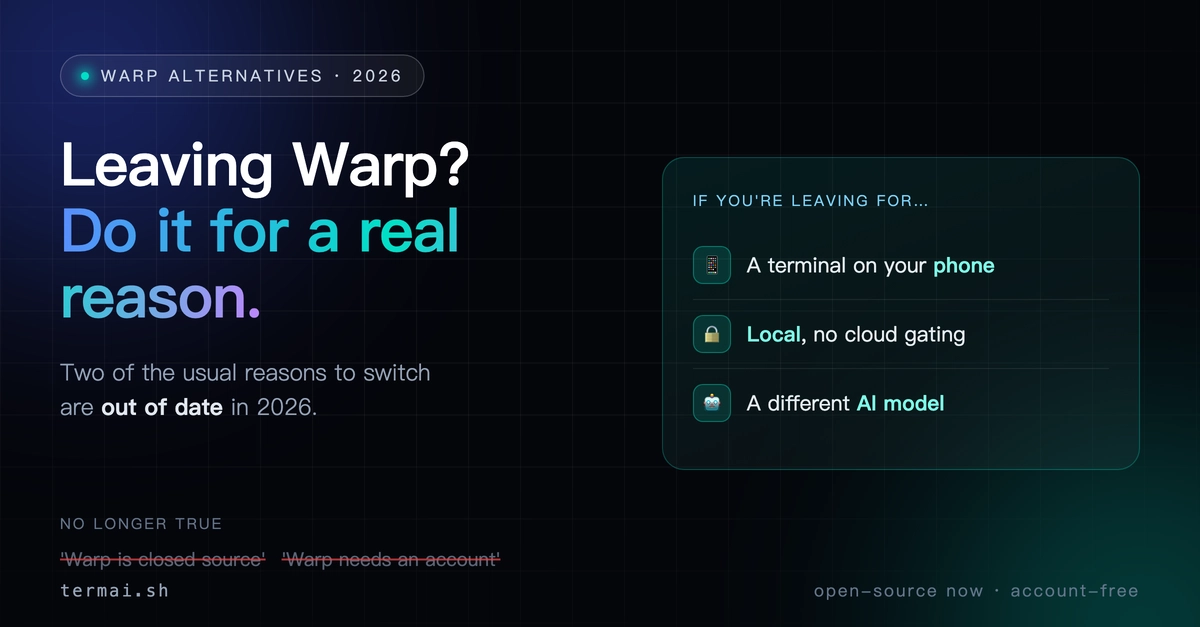
Login requirements and closed-source code are no longer reasons to abandon Warp. New alternatives offer mobile AI, open-source flexibility, or lean performance.

A single Express instance and sequential database queries led to Peakd.io's outage, prompting a full infrastructure overhaul.
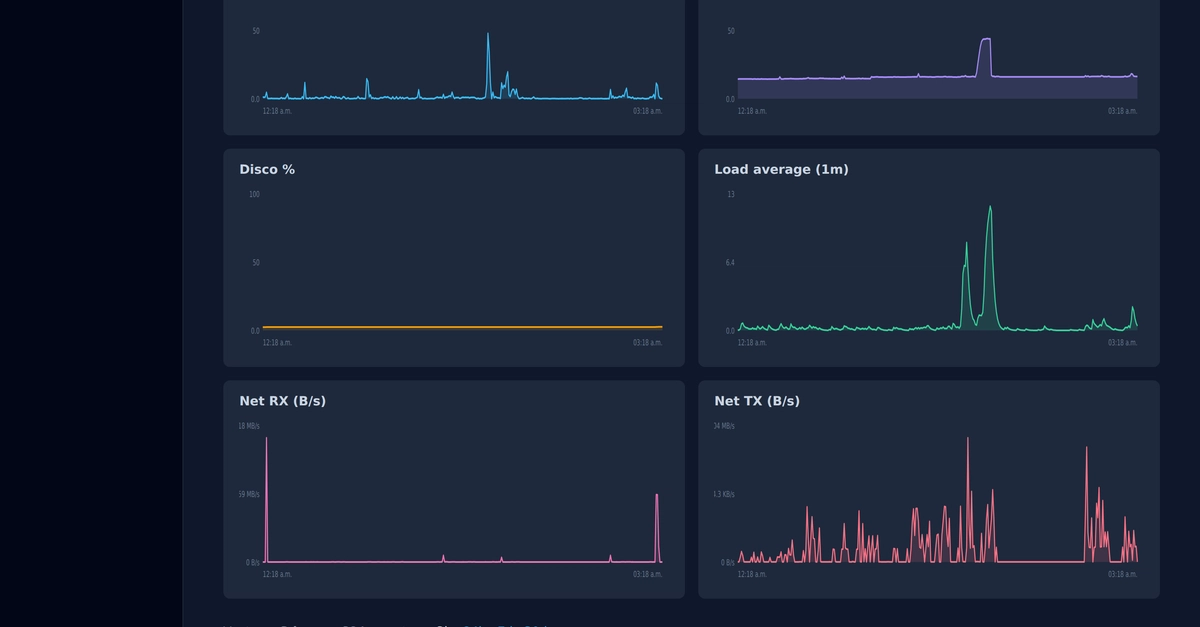
A solo founder built a $5/month server monitoring SaaS on Cloudflare, Turso, and R2, achieving edge alerts.
US adults under 30 show a significant increase in AI job concerns, with 73% expecting fewer jobs.

Granting AI coding assistants unrestricted shell access by default introduces significant security risks, arguing for a more granular permission model.