Developers•Aug 21, 10:55 PM
Git Workflow Fundamentals: Tracking, Collaboration, and Initialization
Master the core Git workflow for tracking code changes, facilitating team collaboration, and managing project history effectively.
Share:
Five shifts. Five minutes. No noise.
No spam. Unsubscribe anytime. Powered by Beehiiv.

Beyond basic mutexes, this deep dive explores advanced spin-lock tuning for peak concurrency and minimal latency.

Elon Musk's antitrust lawsuit against OpenAI and its CEO Sam Altman has been narrowed, as Apple is no longer a defendant.
Free AI models and servers shift budgets, not threat models. The real engineering challenge lies in the boundary around these generators.
This week saw AI agents evolve beyond simple tasks, facing complex security challenges and prompting new debates on regulation and deployment.
Master the core Git workflow for tracking code changes, facilitating team collaboration, and managing project history effectively.
%22%20%2F%3E%0A%20%20%3C%2Fsvg%3E)
New GitHub Copilot feature transforms Teams chats into collaborative AI coding sessions with direct repository access.

A developer bypassed Hikvision's Google Services Framework check, enabling push notifications on privacy-focused GrapheneOS.

Ant Group's Ling-3.0 model offers researchers six base checkpoints across three training stages and two sizes, all under an MIT license.
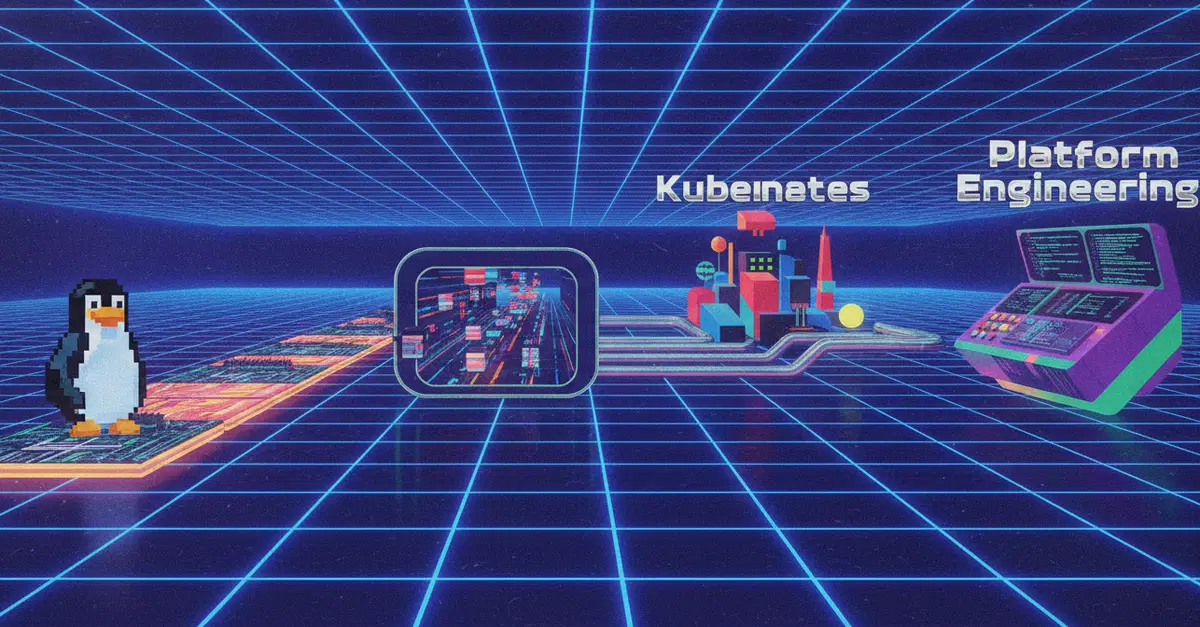
Focusing on Kubernetes first misses the core of platform engineering: solving developer pain points.
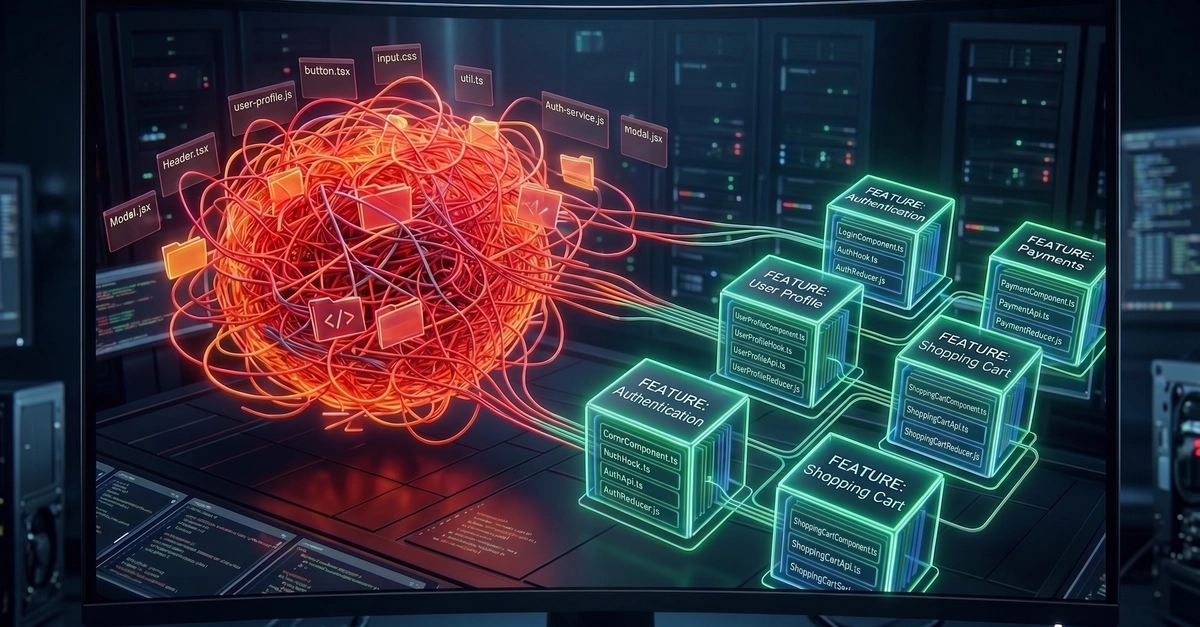
Stop letting your frontend component folders become tangled messes. A feature-based approach offers clarity and scalability.
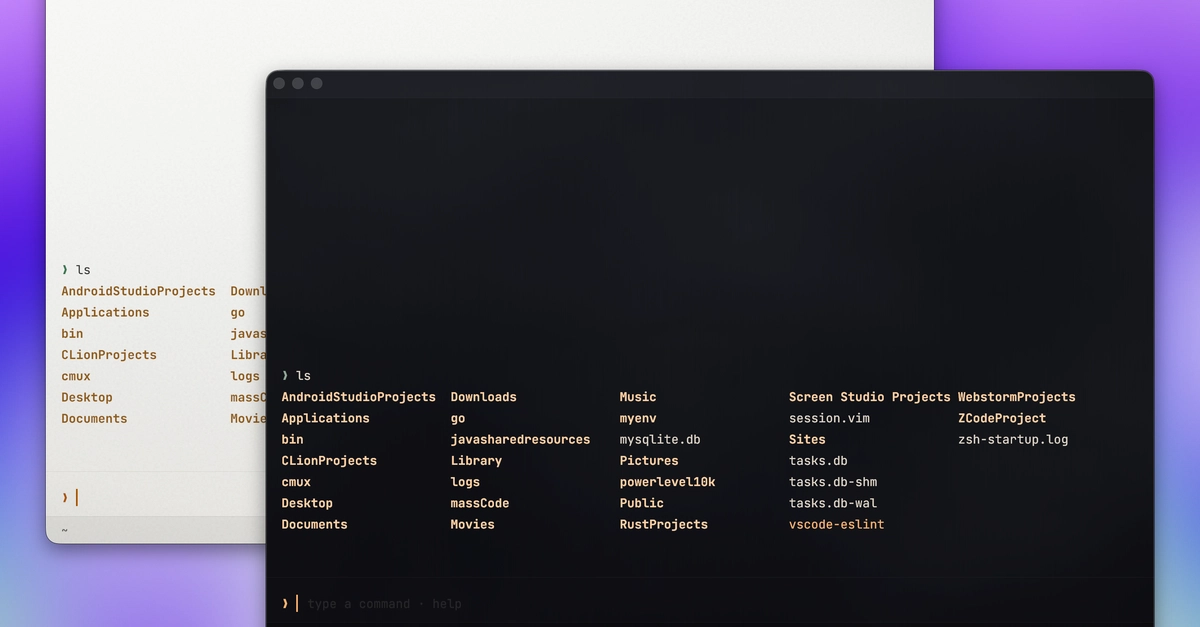
Metalterm, a new macOS terminal, prioritizes rendering performance and low memory usage with a custom Metal GPU renderer.
A security gateway for AI coding agents was built entirely with AI assistance, raising profound questions about software trust and development.

A former FAANG engineer details the hidden costs of a high-paying job, choosing life over lucrative but demanding work.
A benchmark of CognoDB reveals critical stability issues in Neo4j under concurrent client load.