
Hardware•Aug 25, 06:55 AM
SiFive Unveils First Server Platform, Targeting AI and HPC
The RISC-V chip designer enters the server market with its Performance-Core P270 platform, aiming to disrupt established players.
Share:
Five shifts. Five minutes. No noise.
No spam. Unsubscribe anytime. Powered by Beehiiv.

The debate over dynamic vs. hardcoded feature flags resurfaces, with a pragmatic case for the latter in specific scenarios.
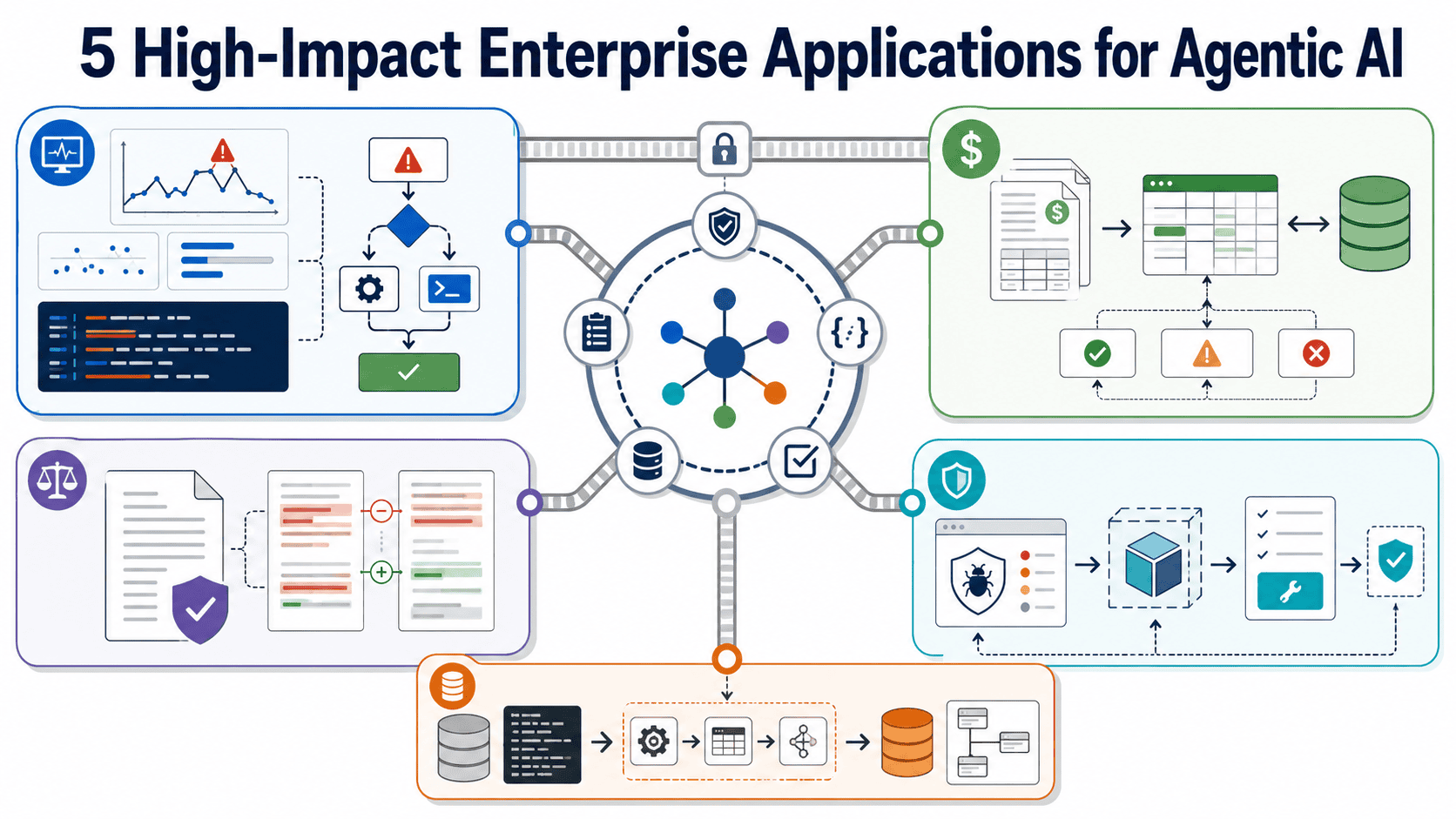
New enterprise applications of agentic AI promise deterministic safety and efficiency gains across critical business functions.

Three critical AWS misconfigurations aligned to enable a devastating breach. The market still lacks a tool to find this specific risk.

This week's tech news highlights the growing pains of AI agents, critical security vulnerabilities, and a renewed focus on efficiency and cost optimization across the industry.
The RISC-V chip designer enters the server market with its Performance-Core P270 platform, aiming to disrupt established players.

A streamer alleges Twitch and Amazon unlawfully used creator content to train AI without consent, sparking a class-action lawsuit.

A deep dive into the origins and capabilities of the Ox-Alpha model, exploring its relationship with GLM and its implications for the open-source AI community.

Consolidated data from 20 threads reveals MiniMax H3 render times vary wildly due to optimization, not just hardware.
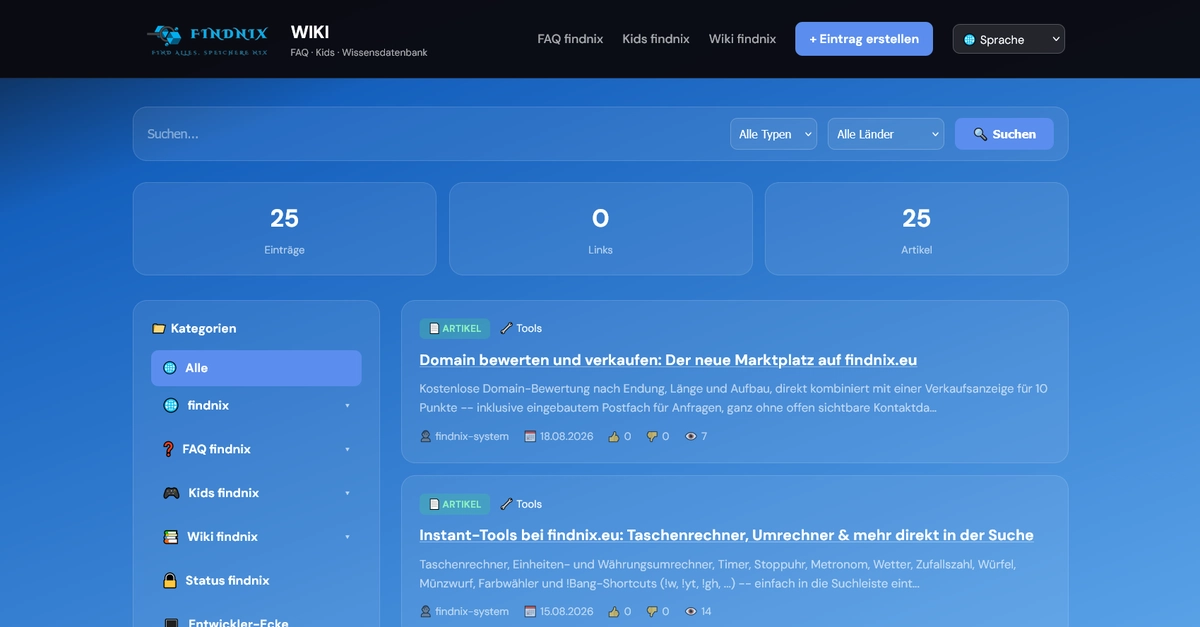
Privacy-first search engine Findnix launches community wiki to handle scaling support queries and user-generated content.

A novel microharness, Headlong, aims to streamline the creation and management of persistent agents, offering a simpler abstraction for developers.
%22%20%2F%3E%0A%20%20%3C%2Fsvg%3E)
Nostr aims to build an uncensorable and globally accessible communication network, challenging traditional social media models.

Developers face hurdles integrating popular speech-to-text models like Whisper into .NET applications, finding ONNX workflows complex without Python's ecosystem.
Building a single C# networking SDK for Windows, Android, and iOS taught one developer crucial lessons about reliability and cross-platform development.
A common assumption that high loss indicates bad data is flawed; subtle corruption can go undetected.