
Hardware•Jul 10, 08:55 AM
Rosemary: Kernel-Level Network Tunneling Over QUIC
Rosemary offers transparent, kernel-level network access to remote hosts via encrypted QUIC tunnels.
Share:

Five shifts. Five minutes. No noise.
No spam. Unsubscribe anytime. Powered by Beehiiv.

Free AI servers offered to teams become shared resources. Without monitoring, failures go unnoticed until users hit them.

New API aims to bridge the gap between AI models and the physical world, enabling direct device control.

Omarchy 4.0.0, an Arch-based distro from DHH, proves lightweight Linux can turn entry-level hardware into a capable dev machine.
Rosemary offers transparent, kernel-level network access to remote hosts via encrypted QUIC tunnels.

Ghanaian government ends a sole-provider approach, inviting two major players into the nascent 5G market.

An Apple executive clarifies the surge in Mac Mini demand for AI tasks and reaffirms the company's commitment to on-device processing.

European robotics startups are pushing into physical AI, a crucial sector where the continent sees its last chance to lead.

The GPU giant's success has spawned a complex ecosystem where others profit, even as Nvidia faces intense competition and supply constraints.
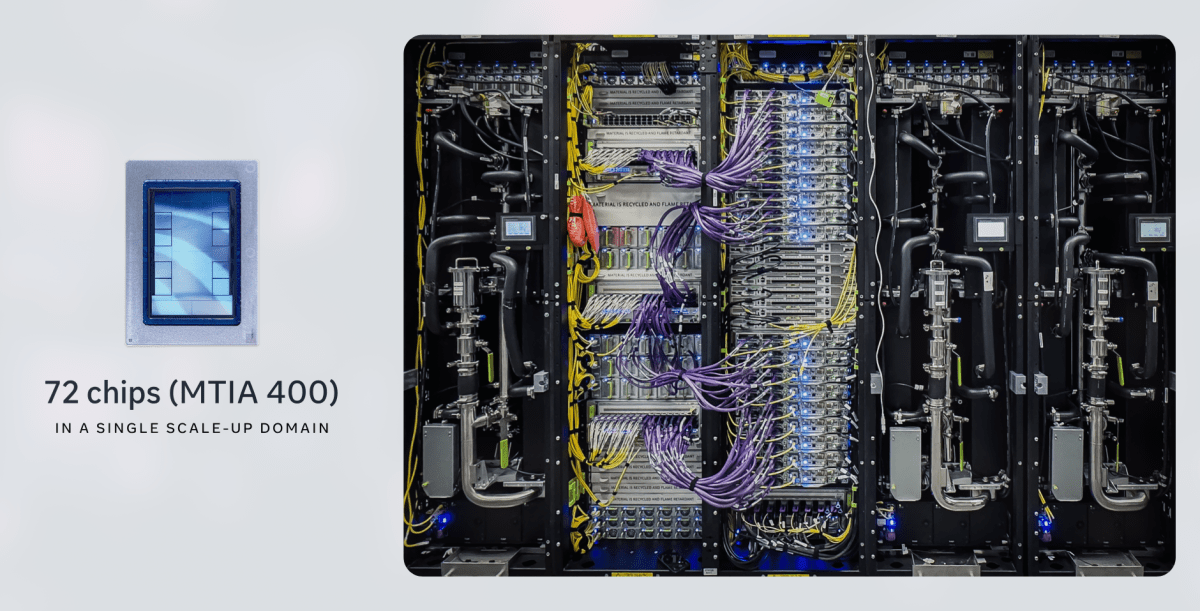
The tech giant is adopting a modular chip design strategy to keep pace with AI's rapid evolution.

Meta's latest Muse Spark 1.1 model offers developers more control and efficiency for AI-powered image creation, building on its predecessor's capabilities.

Gartner forecasts global data center electricity consumption to jump 26% this year, with AI hardware driving unprecedented demand.

As US export controls shift, China fortifies its domestic chip industry, potentially fostering a critical trade alliance with Russia.

Four curated projects showcase how developers can bridge the digital and physical worlds with open hardware.