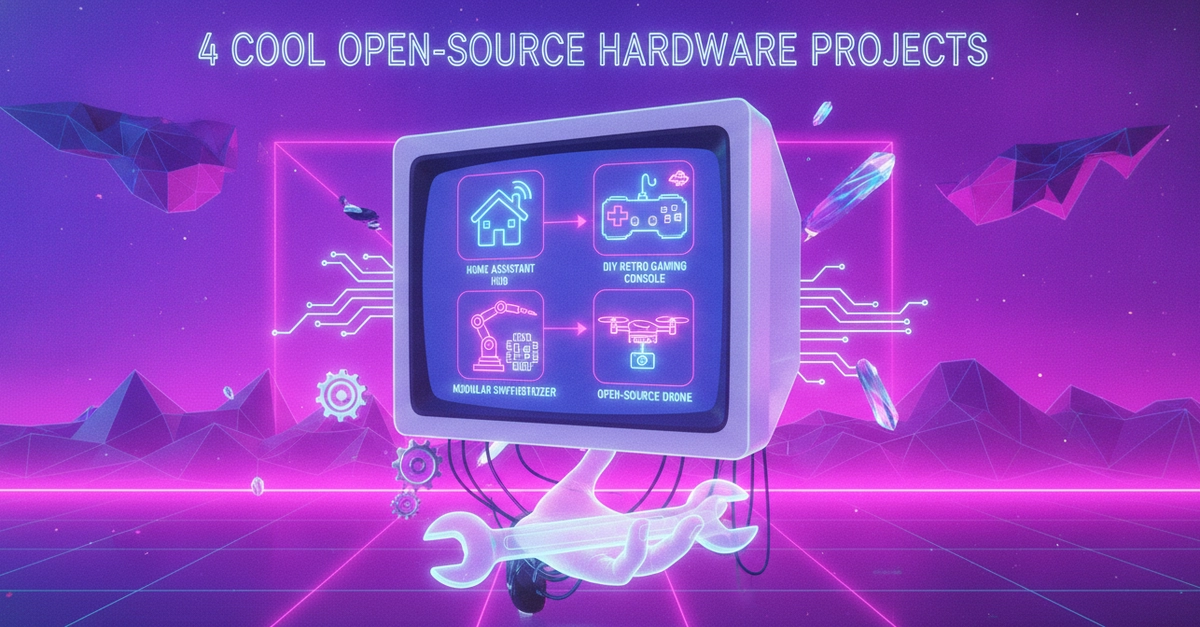
Bridging the Digital and Physical Divide
For software developers, the allure of manipulating the physical world can be powerful. When lines of code translate into tangible actions—blinking an LED, displaying real-time data, or crafting custom tools—the reward is uniquely satisfying. This drive to move beyond the virtual environment and engage with hardware is a growing trend, supported by initiatives like NextPCB's sponsorship of independent creators. These projects highlight how open-source principles can foster innovation in physical computing, offering inspiration for anyone looking to embark on their next hardware adventure.
Retro Tech & Nostalgic Geek Culture Builds
The first category of inspiring open-source hardware projects taps into a deep well of nostalgia. Recreating classic technology offers a unique blend of technical challenge and emotional resonance. These builds often involve reverse-engineering or reimagining beloved retro devices, bringing them back to life with modern components and open-source designs. This approach not only preserves technological history but also allows enthusiasts to experience vintage computing and gaming in new ways. The satisfaction comes from not just building something functional, but something that evokes memories and a sense of connection to the past.
Customizable and Modular IoT Devices
The Internet of Things (IoT) continues to expand, and open-source hardware plays a crucial role in its democratization. Projects in this space focus on creating modular, customizable devices that can be adapted for a wide range of applications. Think of a smart home sensor that you can reconfigure for air quality monitoring one week and humidity sensing the next, all using the same core open-source design. These projects emphasize flexibility, allowing users to tailor devices to their specific needs without being locked into proprietary ecosystems. The schematics and code are readily available, enabling users to modify, extend, and even manufacture their own variants. This fosters a collaborative environment where improvements and new functionalities can be shared rapidly across the community.
Bench Tools and Development Aids
Beyond consumer-facing gadgets, open-source hardware also excels in creating essential tools for developers and makers. This includes everything from sophisticated power supplies and oscilloscopes to automated testing rigs and diagnostic equipment. These projects are born out of necessity—often, off-the-shelf solutions are either too expensive or lack the specific features required for advanced development. By open-sourcing the designs, these tools become accessible to a broader audience, lowering the barrier to entry for serious hardware development. For instance, a custom-built logic analyzer designed with open-source principles can offer capabilities rivaling commercial products at a fraction of the cost. These are the unsung heroes of the hardware world, enabling further innovation by providing robust, affordable development infrastructure.
Bridging the Gap with Open Schematics
What truly sets these projects apart is the commitment to open-source principles, extending beyond just the software. Providing accessible schematics, design files, and Bill of Materials (BOM) empowers others to replicate, modify, and build upon the original work. This transparency is fundamental to the growth of the open-hardware movement. It means that a project isn't just a finished product; it's a blueprint for future innovation. Companies like NextPCB understand this, actively supporting creators by helping translate these digital blueprints into physical circuit boards. This support is vital for makers who may not have the resources or expertise to handle PCB manufacturing themselves. The result is a vibrant ecosystem where ideas can be iterated upon quickly, leading to more robust, diverse, and accessible hardware solutions for everyone.
The journey from a software developer's virtual environment to hands-on hardware manipulation is increasingly accessible. These four categories of open-source hardware projects—retro builds, customizable IoT devices, essential bench tools, and the underlying open schematics—provide a clear roadmap for anyone inspired to explore the physical computing landscape. The true power lies not just in the individual projects, but in the collaborative spirit and shared knowledge that the open-source model fosters, accelerating innovation and empowering creators worldwide.