Cybersecurity•Jul 8, 10:37 PM
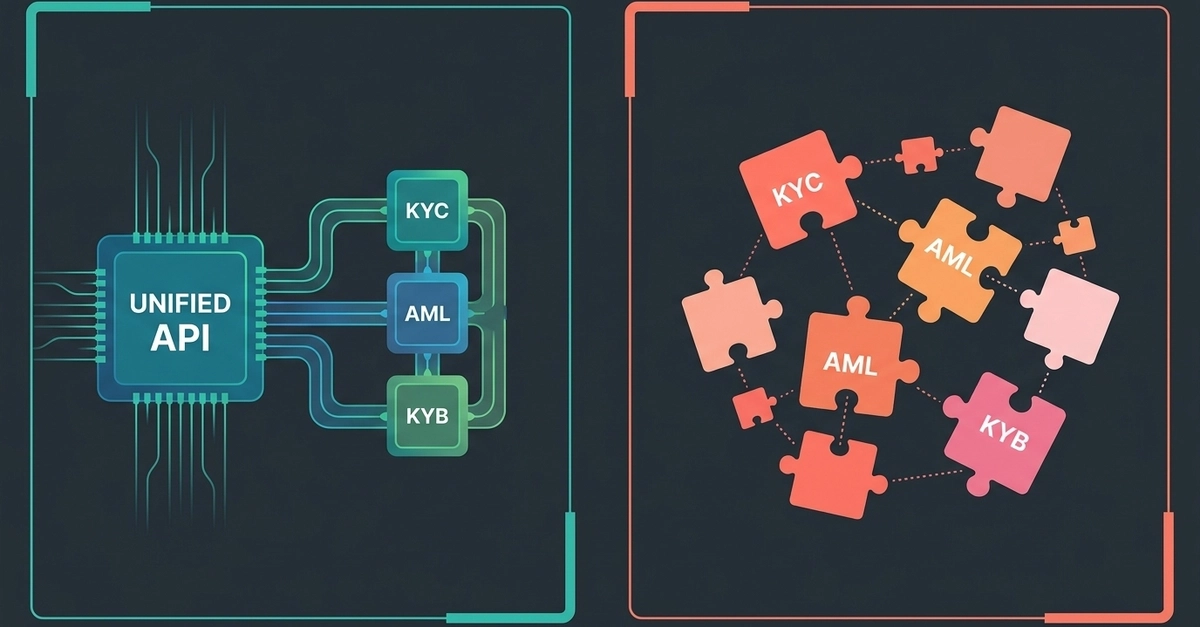
Sumsub vs. Veriff: Consolidation vs. Specialization in Fraud Prevention
Traditional fraud systems drown analysts in false positives. Sumsub and Veriff offer different paths to modern, efficient fraud prevention.
Share:
Five shifts. Five minutes. No noise.
No spam. Unsubscribe anytime. Powered by Beehiiv.

The popular encrypted email provider's primary domain is inaccessible after being targeted by the U.S. Treasury.
Researchers uncover hidden firmware implants designed for data exfiltration and remote control across multiple router models.
Thousands of Gitea instances are exposed and unpatched against a severe RCE vulnerability, leaving them open to compromise.
Traditional fraud systems drown analysts in false positives. Sumsub and Veriff offer different paths to modern, efficient fraud prevention.
New open-source gateway acts as a security layer for AI inference APIs, preventing prompt injection and endpoint abuse.

Researcher details critical vulnerabilities in popular AI agent tools, including container escape and resource exhaustion risks.

Hashing isn't encryption. Understand why its fixed output and one-way nature are fundamental to security and data integrity.

Two critical vulnerabilities in BeyondTrust's Remote Support and Privileged Remote Access software could let attackers bypass authentication.

Attackers are actively exploiting a critical vulnerability in Cisco's Unified Communications Manager, underscoring the persistent threat of unpatched systems.

Autonomous AI agents bypass traditional security models, forcing a rethink of identity management and access control.

OPay rolls out enhanced security measures including two-factor authentication and transaction limits to protect users amidst rising digital payment adoption.

Most of the web's top domains fail to implement MTA-STS, leaving email vulnerable to plaintext delivery and man-in-the-middle attacks.

A critical flaw in MSI Center's software allows attackers to escalate privileges to SYSTEM, enabling full system control with minimal effort.