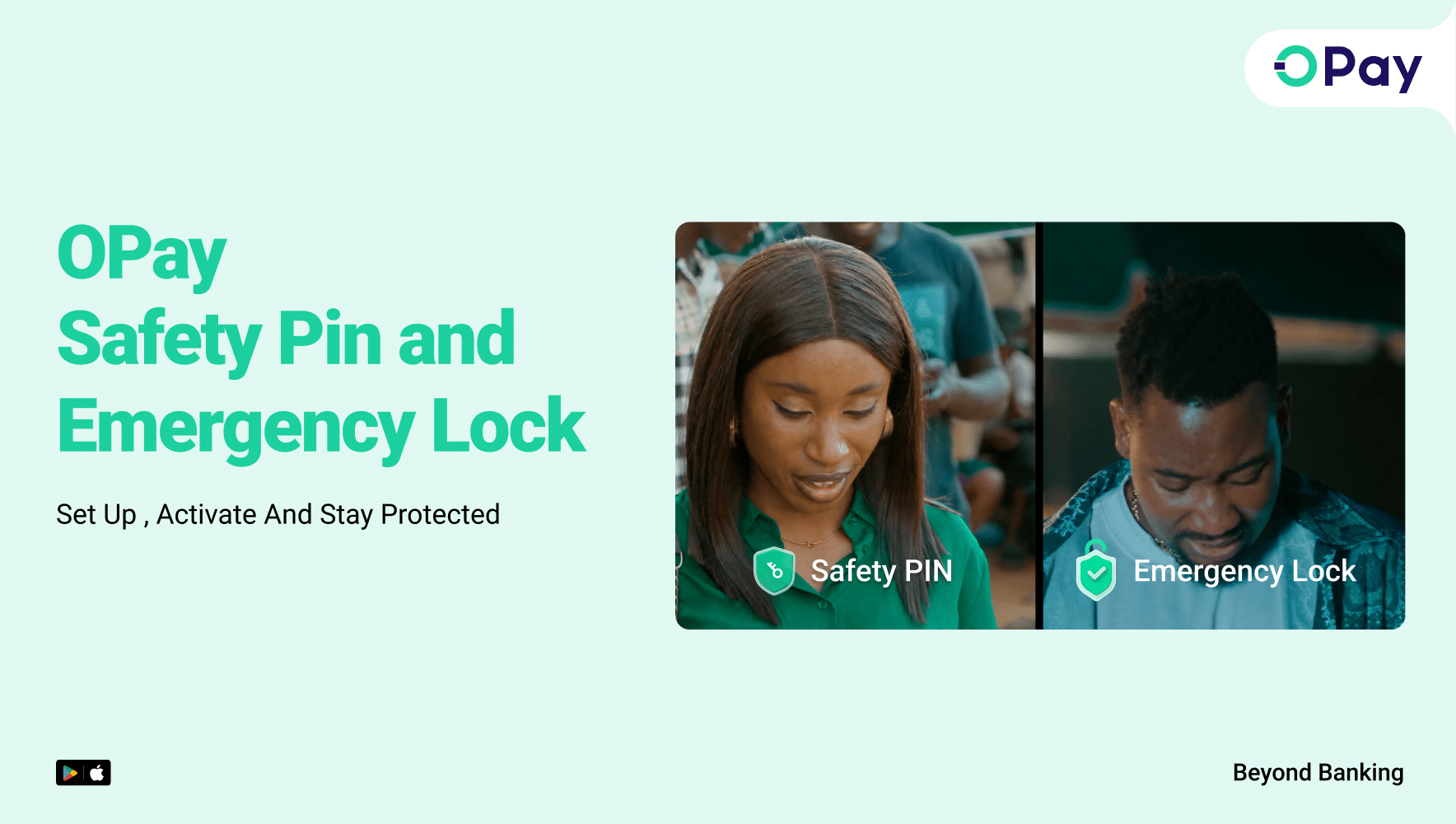
Enhanced Security for Digital Payments
OPay, a leading digital payment platform in Nigeria, has introduced six significant security enhancements designed to bolster user confidence and protect against fraud. As digital payments become increasingly integral to daily life in Nigeria, the need for robust security measures is paramount. These new features aim to provide users with greater peace of mind, ensuring their financial transactions are safe and secure.
Two-Factor Authentication (2FA) Rollout
A cornerstone of OPay’s new security suite is the mandatory implementation of two-factor authentication (2FA) for all user accounts. This adds an extra layer of protection beyond just a password. Users will now be required to verify their identity through a secondary method, such as an SMS code sent to their registered phone number, or through an authenticator app. This significantly reduces the risk of unauthorized access, even if a user's password is compromised.
Transaction Limit Controls
To further empower users and mitigate potential losses from fraudulent activities, OPay has introduced customizable transaction limits. Users can now set daily or per-transaction spending caps that align with their comfort level and typical spending habits. This feature acts as a proactive safeguard, preventing large, unexpected debits that could result from account breaches. The ability to adjust these limits provides flexibility while maintaining a strong security posture.
Real-Time Transaction Alerts
Immediate notification is critical in preventing and reporting fraudulent activity. OPay's enhanced system now provides real-time alerts for all transactions. Users receive instant notifications via SMS or in-app messages for every deposit, withdrawal, transfer, or payment made from their account. This allows for prompt detection of any unauthorized activity, enabling users to report suspicious transactions immediately and minimize potential damage.
Biometric Verification Options
Leveraging advanced technology, OPay is offering biometric verification as an optional, yet highly secure, login method. Users can now enable fingerprint or facial recognition on compatible devices. Biometrics offer a convenient and highly secure alternative to traditional passwords, as they are unique to each individual and significantly harder to replicate than PINs or passwords. This move aligns OPay with global trends in mobile security.
Secure Payment Gateway Integration
OPay has also upgraded its backend payment gateway integration with enhanced encryption protocols. This ensures that data transmitted between OPay, its partner banks, and merchants is protected with state-of-the-art cryptographic measures. The focus on secure data transit is crucial for protecting sensitive financial information from interception and tampering, reinforcing the overall integrity of the platform.
User Education and Awareness Campaigns
Beyond technological solutions, OPay recognizes the importance of user education. The company is launching targeted awareness campaigns to inform users about common online security threats, such as phishing scams, social engineering tactics, and the importance of strong, unique passwords. By empowering users with knowledge, OPay aims to create a more security-conscious user base, collectively enhancing the safety of the digital payment ecosystem in Nigeria. This multi-pronged approach, combining advanced technology with user empowerment, positions OPay as a leader in digital payment security.

Addressing Growing Digital Adoption Concerns
The introduction of these features comes at a time when Nigeria is experiencing rapid growth in digital financial services. While this growth offers immense convenience and economic opportunities, it also presents new challenges related to cybersecurity. OPay's proactive stance addresses legitimate concerns users have about the safety of their funds in an increasingly digital landscape. By implementing these robust security measures, OPay is not only protecting its users but also contributing to the overall trustworthiness and stability of Nigeria's fintech sector.
The six key security features include: mandatory two-factor authentication, customizable transaction limits, real-time transaction alerts, biometric verification options (fingerprint/facial recognition), enhanced secure payment gateway integration with advanced encryption, and comprehensive user education campaigns. These additions are designed to work in concert, creating a layered defense system that significantly reduces the attack surface for fraudsters and provides users with a more secure and reassuring digital payment experience.

What remains to be seen is how quickly and effectively these features are adopted by the user base, and whether they will become a benchmark for other fintech players in the Nigerian market. The success of these measures will ultimately be measured by a reduction in reported fraud incidents and an increase in user trust and engagement with the OPay platform.