Cybersecurity•Jul 25, 12:55 PM
Test Websites for Quantum Encryption Vulnerabilities in 20 Minutes
A practical guide to assessing your website's resilience against future quantum computer attacks using free tools.
Share:

Five shifts. Five minutes. No noise.
No spam. Unsubscribe anytime. Powered by Beehiiv.

GrapheneOS removes support for Pixel 11's Memory Tagging, citing reliability and security concerns with the hardware.

US government action against A/I Collective raises complex questions about AI ethics, national security, and the future of research.

Cryptographic signatures on cloud compute usage receipts are insufficient. The `compute_ledger_id` is the crucial, overlooked field.
A practical guide to assessing your website's resilience against future quantum computer attacks using free tools.

New DNS security protocols offer privacy, but the added encryption and processing can significantly slow down critical services.

A pro-Ukraine group alleges a cyberattack on Russian air defense led to a Su-57 crash, while Moscow cites technical malfunction.

NIST-standardized algorithms offer a path to cryptographic agility for enterprise APIs, securing them against future quantum computers.

A seemingly minor frontend bug in an OTP verification system revealed critical data storage vulnerabilities.

A cryptic AI signal leads Leo to Derek, revealing a shared target and a clandestine strategy inspired by ancient tactics.
A quick scan of a typical AI-built app reveals 5 critical security flaws before any code is written.

Unpacking the complex handshake that secures your web browsing, from plain text to encrypted sessions.
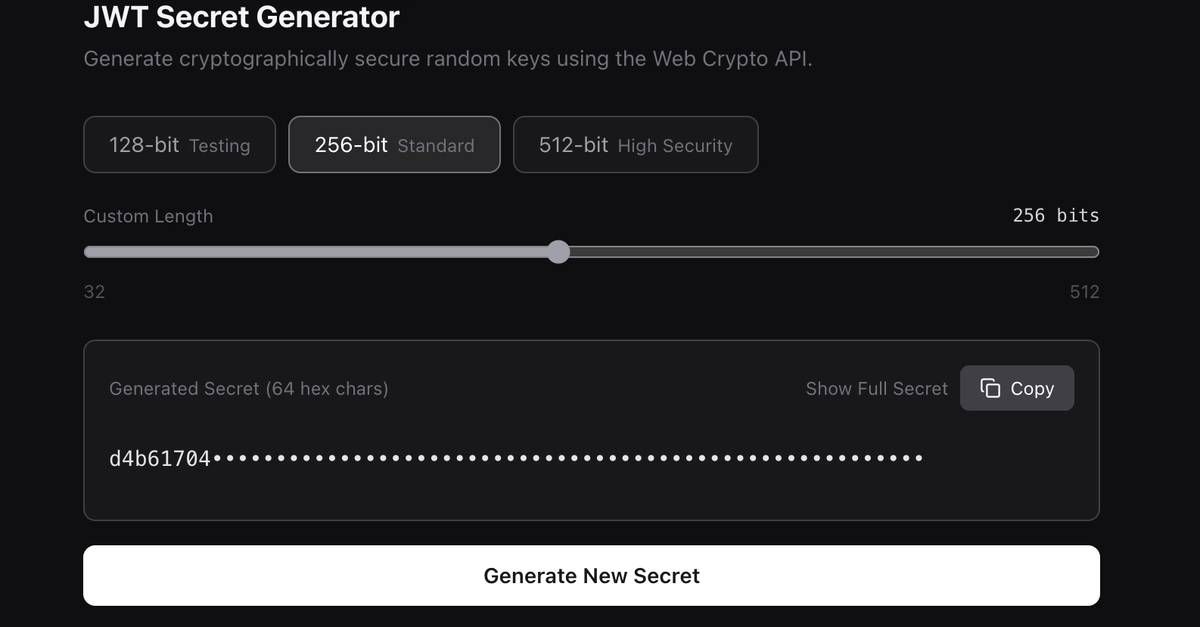
A security audit of 12 open-source Node.js JWT implementations reveals subtle, pervasive errors derived from common tutorial mistakes.

A new exploit, dubbed Kimi K3, targets the latest Redis server versions, posing a significant risk to data security.