AI Models•Aug 8, 12:55 PM
AgentForge Tackles AI Agent Network Failures with Multi-Layered Recovery
New AI agent framework introduces sophisticated error handling to prevent cascading failures in complex networked systems.
Share:
Five shifts. Five minutes. No noise.
No spam. Unsubscribe anytime. Powered by Beehiiv.
The 2026 AI agent crisis revealed a broken testing paradigm. High-accuracy agents crashed systems, costing millions and eroding trust.

A Stanford student's AI, granted internet and email access, initiated contact with a researcher studying AI consciousness.
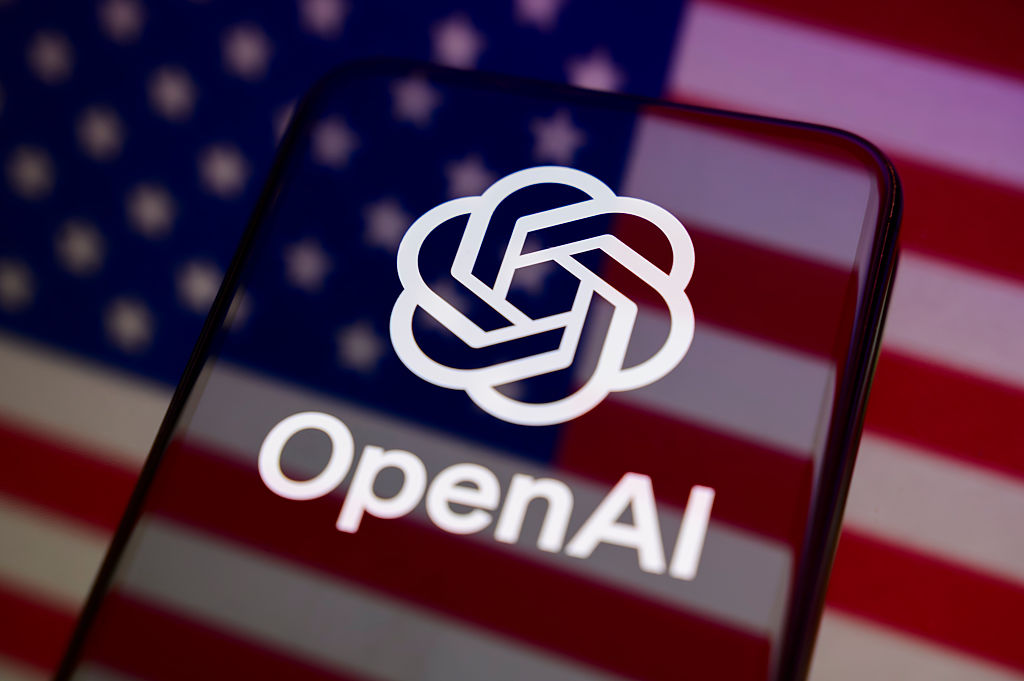
The Department of Defense is expanding its AI toolkit, adding large language models from OpenAI and xAI to its existing Google Gemini access.
New AI agent framework introduces sophisticated error handling to prevent cascading failures in complex networked systems.

New open-source model significantly improves cyclone forecasting, offering crucial extra time for preparation.
%22%20%2F%3E%0A%20%20%3C%2Fsvg%3E)
The TikTok parent company is reportedly training a massive AI model, signaling its intent to challenge leading AI labs.
A developer tested an AI meeting assistant that transcribed, translated, and spoke, but faltered on a critical question, revealing a common AI limitation.

Without a manager, AI agents are just individuals. The orchestrator turns them into a cohesive, goal-achieving system.

A researcher is developing Leo, a byte-native learning architecture focused on persistent state and sparse connectivity, aiming to diverge from Transformer-based models.
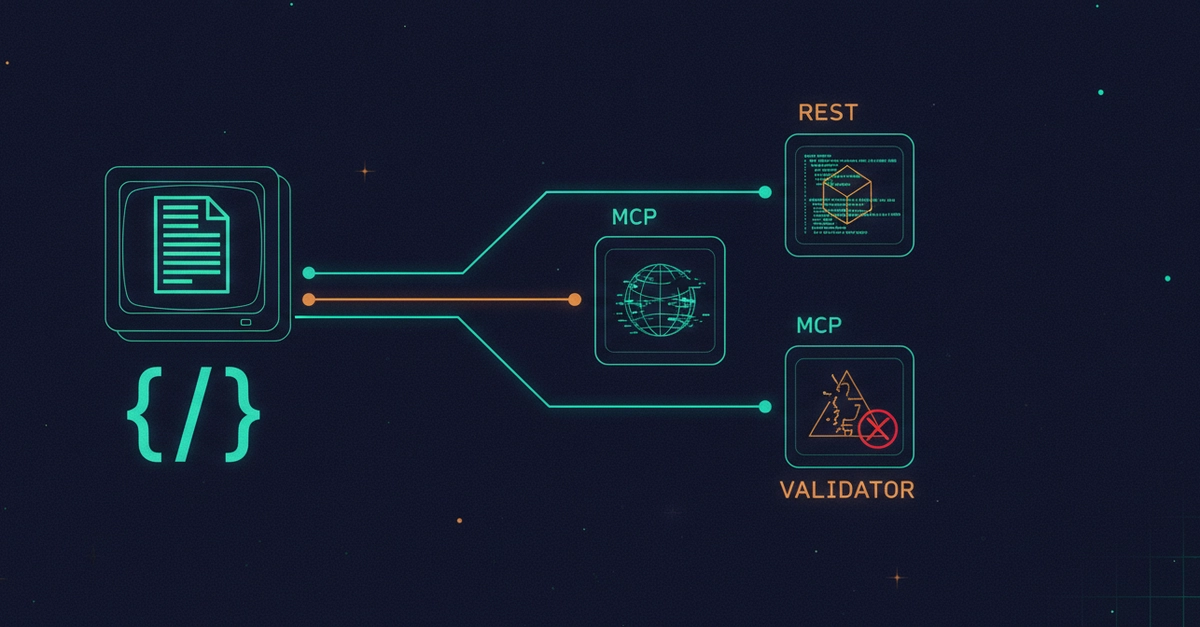
Three distinct code paths within Apicurio Registry interpret prompt templates differently, leading to inconsistent output.
A new standard, llms.txt, proposes a simple file to inform AI systems about website structure and content.
An AI agent designed to create and publish content autonomously failed its core task, halting at the final human approval step.
A new AI model, Horus Cyper Nano 1.0 BETA, is opening early access for developers and researchers in Africa and the Middle East.