
AI Models•Jul 8, 10:39 PM
Kotro's Rust Sidecar Tackles AI Agent Cost Blowouts
New open-source tool intercepts LLM traffic, promising to slash token usage and prevent runaway AI agent costs.
Share:

Five shifts. Five minutes. No noise.
No spam. Unsubscribe anytime. Powered by Beehiiv.
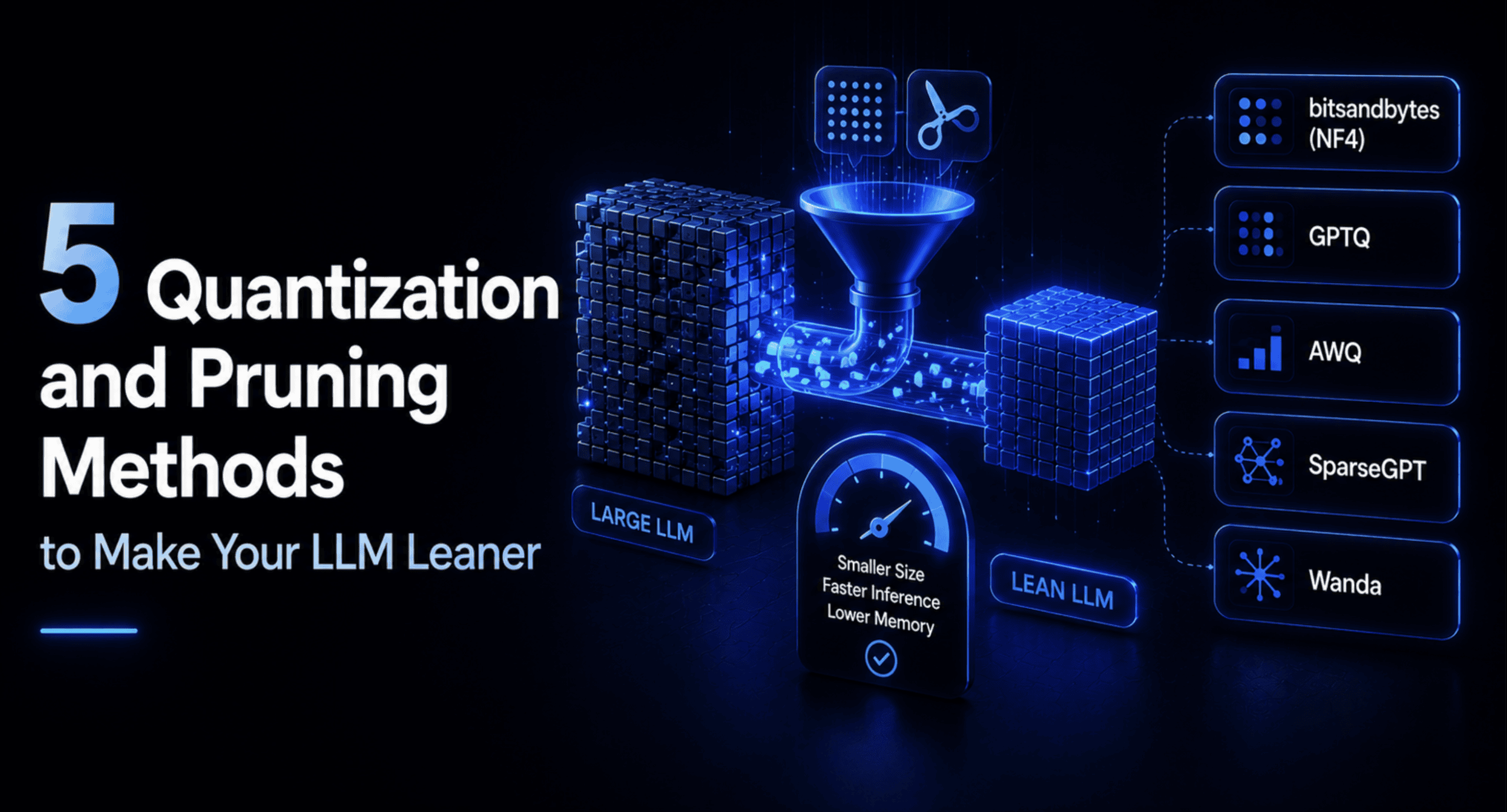
Developers can drastically reduce LLM inference costs and speed up responses using quantization and pruning techniques, making these powerful models practical for production.
An autonomous AI system transforms WhatsApp and UPI into scalable e-commerce for India's micro-retailers, tackling language barriers and tight margins.

Meta reportedly explored drastic team reductions using AI agents, but internal challenges halted the ambitious plan.
New open-source tool intercepts LLM traffic, promising to slash token usage and prevent runaway AI agent costs.

Fini introduces Knowledge Atlas, an AI-powered knowledge base designed to autonomously learn and improve its own content.

The professional organization now offers a comprehensive online course on large language models, targeting engineers and tech professionals.

Developers are wasting AI context by treating it as an unlimited dump. A new framework treats it as a finite, managed resource.

AI coding assistants are drowning in irrelevant data, leading to wasted tokens and poorer code generation.

Meta's new AI model, Muse, generates images from text prompts, targeting diverse applications from marketing to digital art.
A new GitHub repository, DeepSpec, offers a full-stack Python platform for training and evaluating speculative decoding algorithms.
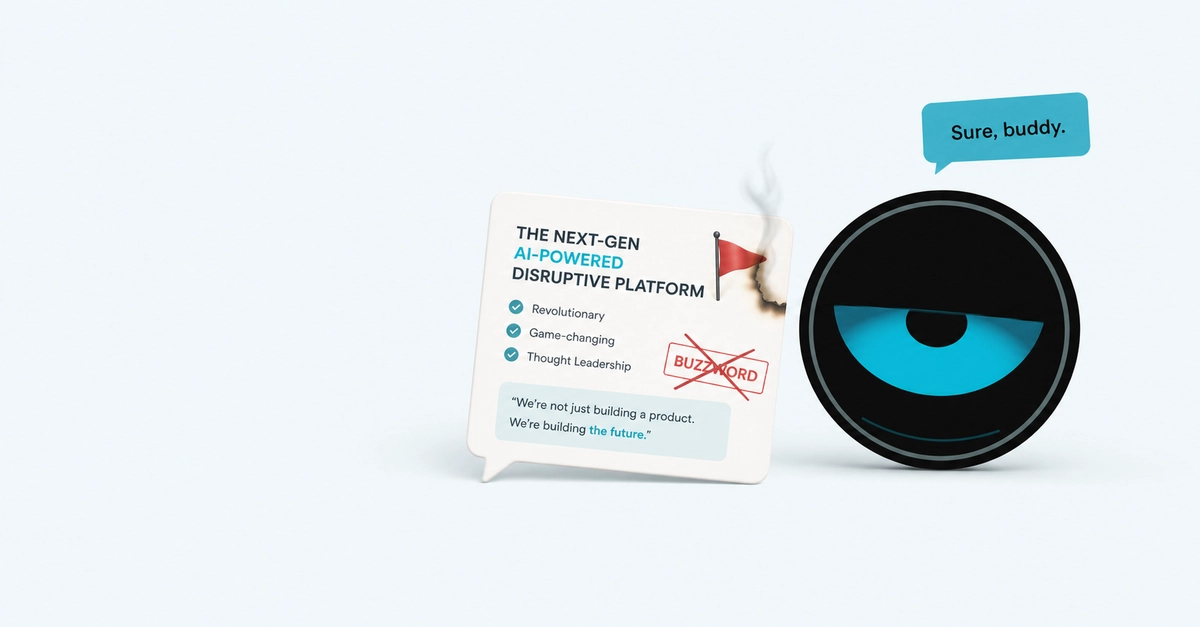
Thoughtful initial design in agentic AI systems pays dividends, enabling faster iteration on value rather than constant repair.

Microsoft is shifting its AI strategy to develop proprietary models, potentially reducing reliance on external partners like OpenAI.

Frontier AI labs and open source models are not in direct competition, but rather represent distinct stages of AI development.