
AI Models•Jul 10, 12:55 AM
OpenAI Unveils GPT-5.6 Family, Enhancing Autonomy and Cybersecurity
OpenAI's new GPT-5.6 model family introduces independent workflow capabilities and significant cybersecurity improvements.
Share:

Five shifts. Five minutes. No noise.
No spam. Unsubscribe anytime. Powered by Beehiiv.

Beyond single-agent AI, Codex introduces subagents for specialized task delegation and coordinated execution.
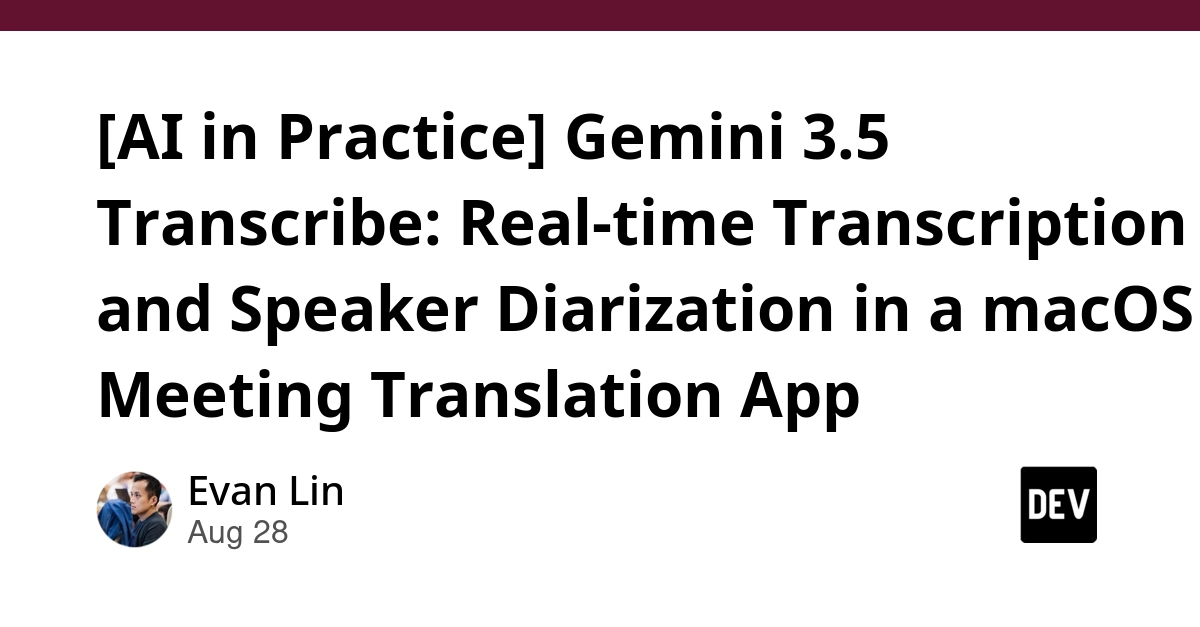
A macOS app leverages Gemini 3.5 Pro for real-time transcription and speaker diarization, enhancing meeting accessibility.

Users report Opus 5 models consistently ignore negative constraints, raising safety and reliability concerns.
OpenAI's new GPT-5.6 model family introduces independent workflow capabilities and significant cybersecurity improvements.
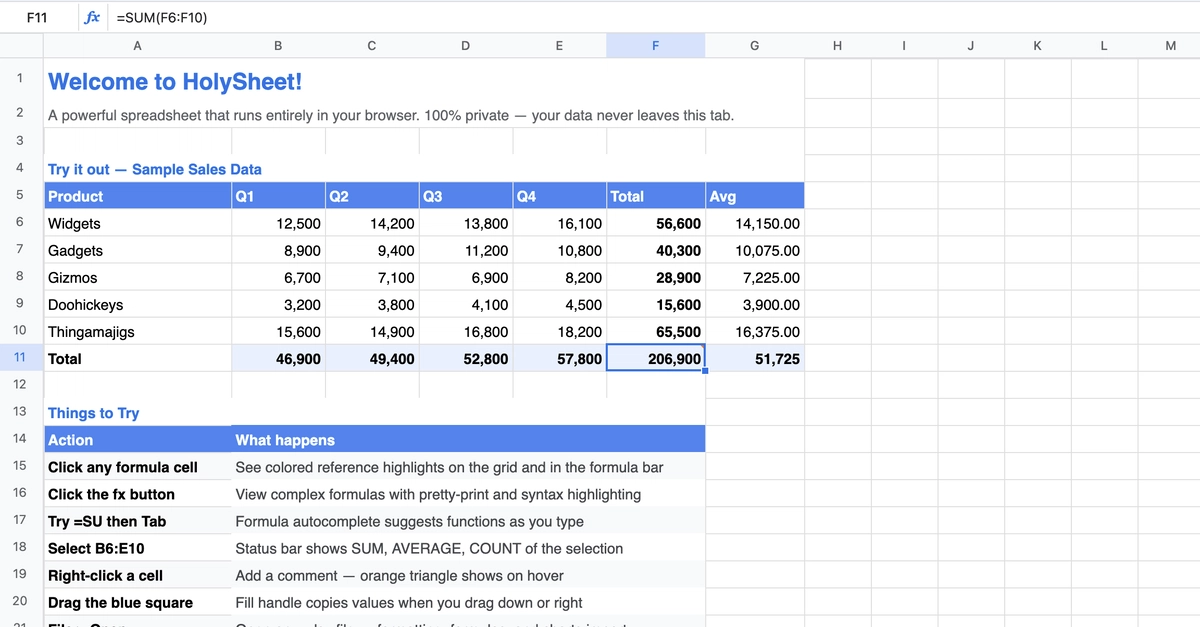
A developer challenged AI to build a complex business application on a shoestring budget, revealing surprising capabilities and limitations.

A new benchmark by Claire Vo reveals that AI model usability and collaboration capabilities are now more critical than theoretical intelligence for real-world applications.

Enterprise AI infrastructure is hitting unexpected API budget ceilings due to inefficient monolithic designs, not model limitations.

A Hacker News user demonstrates running a large language model on a modest machine, bypassing typical hardware constraints.

New York Times alleges OpenAI misled court by deleting training data logs during copyright infringement lawsuit.
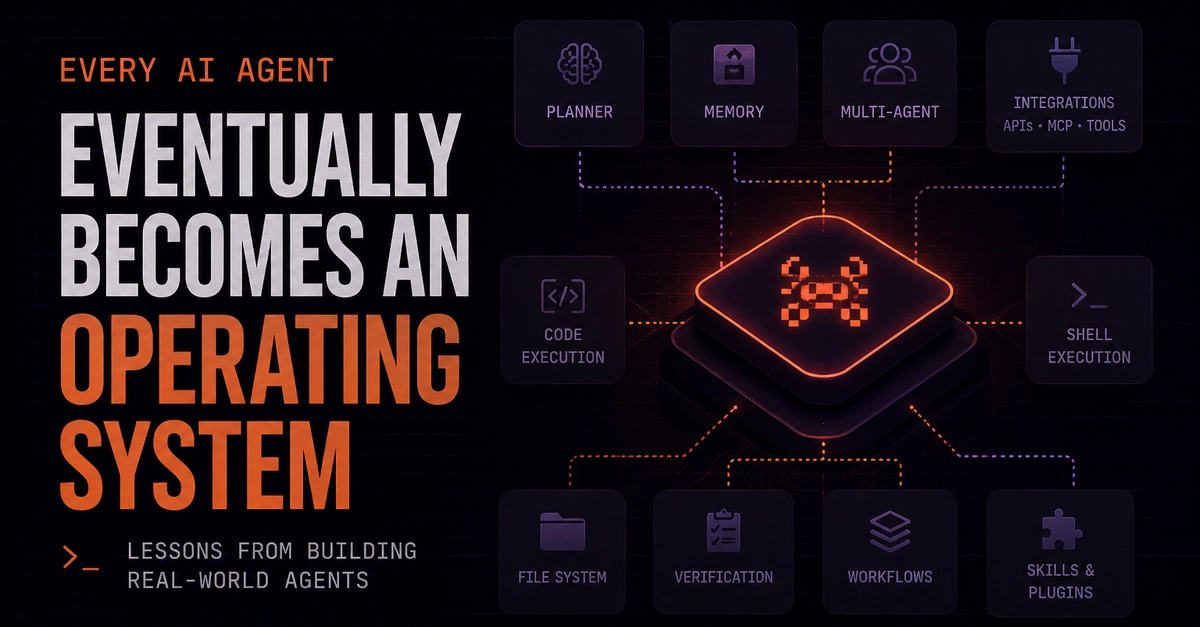
The intelligence of AI models is no longer the bottleneck; managing and orchestrating their actions is.
OpenAI consolidates its AI offerings under the familiar ChatGPT umbrella, simplifying user understanding and brand identity.

The process by which the government deemed OpenAI's frontier model safe is largely undisclosed.

AI is accelerating Microsoft's ability to find and fix security flaws in Windows, signaling a future of more frequent, targeted patches.