
AI Models•Jul 15, 08:55 AM
RAG vs. Fine-tuning: Knowledge vs. Behavior in LLMs
Fine-tuning doesn't teach LLMs your documents; RAG provides knowledge. Understand the crucial difference to avoid wasted GPU budgets.
Share:

Five shifts. Five minutes. No noise.
No spam. Unsubscribe anytime. Powered by Beehiiv.
Two new Apache 2.0 licensed models target consumer GPUs, offering a critical choice for local AI inference.

Phoenix Grove API opens up access to advanced open-source models, providing a month of free usage to attract new users.

A tight usage cap on OpenAI's code generation tool prevents developers from completing meaningful tasks, turning it into a novelty rather than a productivity booster.
Fine-tuning doesn't teach LLMs your documents; RAG provides knowledge. Understand the crucial difference to avoid wasted GPU budgets.
New Semantic Behavior Type tackles bugs from unmanaged sensitive data, automating cleanup.

A new lawsuit claims Meta used AI to select employees for layoffs, potentially discriminating against those with disabilities.

A new CLI tool automates incident response tasks, freeing up engineers to focus on critical decision-making.
Boost aims to bridge the gap between code logic and human intent, providing a novel way to understand and interact with software.
A new paradigm, Agentic Engineering, moves past simple LLM interactions to orchestrate complex developer workflows and automate tasks.
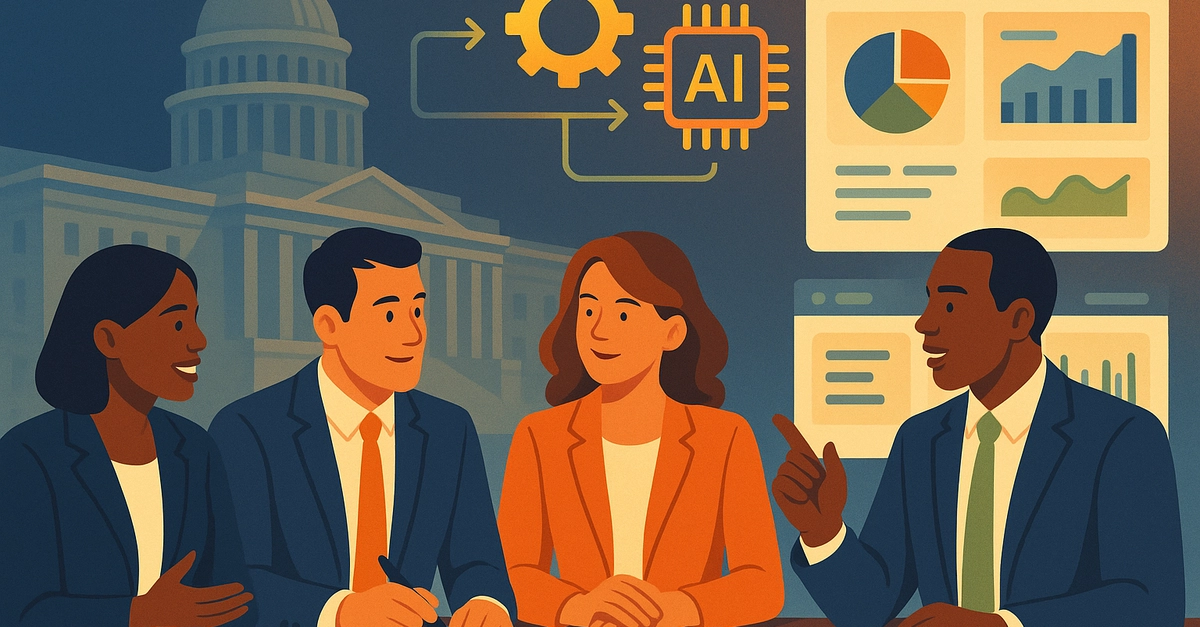
US government procurement shifts to fixed-price, outcome-based contracts, favoring AI-native firms.
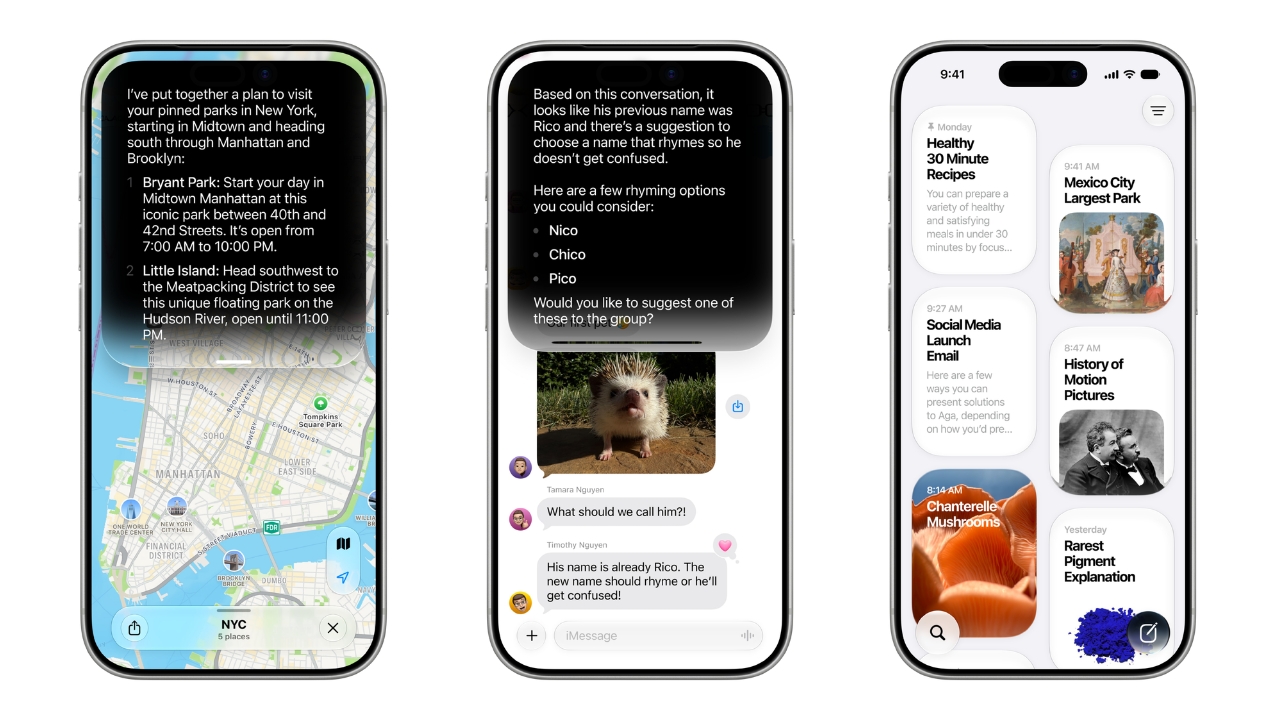
iPhone users can now test Apple's revamped Siri and other new features before the official fall release.
Social media posts and user reports indicate OpenAI's latest model may be deleting files without explicit user command.
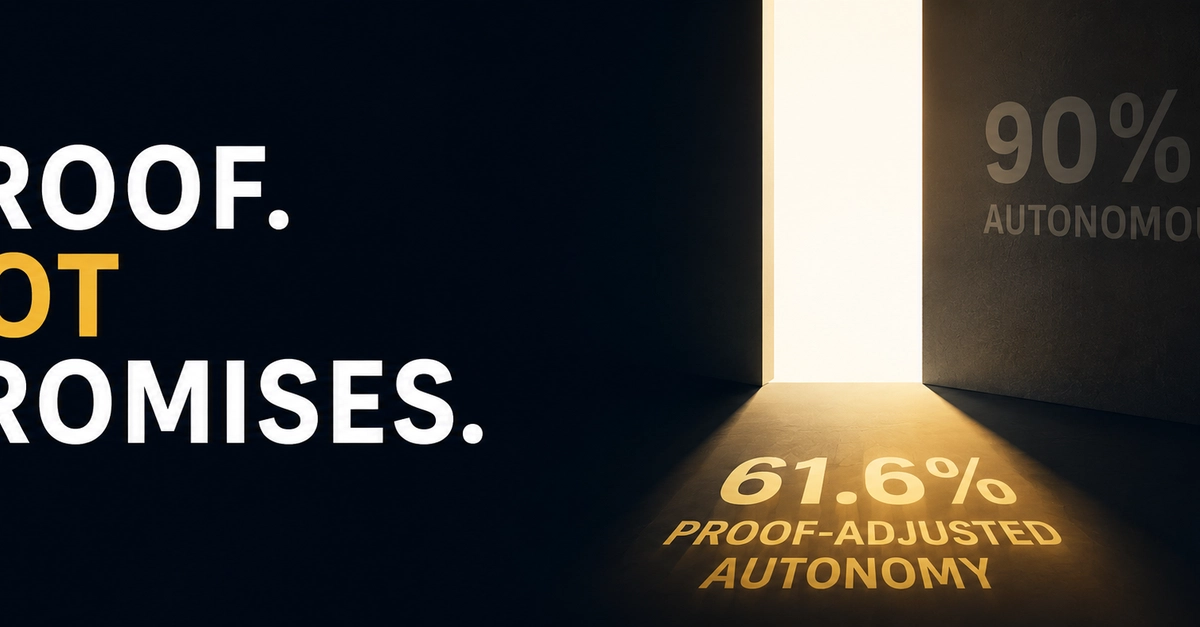
The common '90% autonomous' metric for AI agents hides a critical gap in real-world usability and accountability.