Siri's AI Makeover Arrives in Public Beta
Apple has officially opened the doors for the public to experience its significantly revamped Siri assistant. The iOS 17 public beta, released Tuesday, allows any iPhone user to download and test the upcoming operating system, featuring the AI-powered Siri, before its widespread launch this fall. This move democratizes access to Apple's latest advancements, letting a broader audience provide crucial feedback.
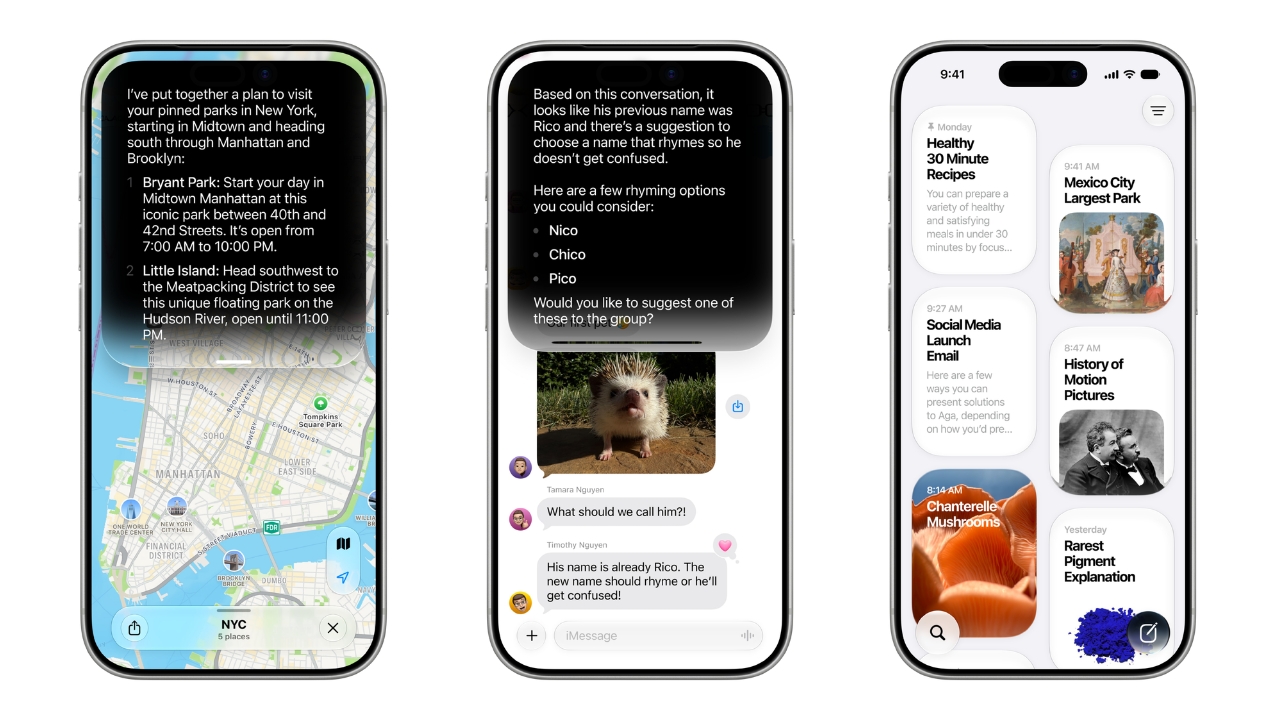
For months, developers have had access to early builds of iOS 17, but the public beta offers a more stable, yet still pre-release, version for everyday users. The star of this beta is undoubtedly Siri. Gone is the more rigid, command-response interaction model. The new Siri is designed to be more conversational, context-aware, and proactive. It aims to understand natural language more fluidly, allowing for follow-up questions without needing to repeat commands or explicitly state the device is an iPhone. This is a fundamental shift, moving Siri from a simple voice command tool to a more integrated, intelligent assistant capable of handling complex queries and tasks.
Early impressions suggest Siri's AI capabilities are designed to rival those of leading AI chatbots, but with a focus on on-device processing for enhanced privacy. This means many of Siri's advanced functions will operate directly on the iPhone, reducing the need to send sensitive data to Apple's servers. This privacy-centric approach is a key differentiator for Apple, appealing to users concerned about data security.
Key Features and Improvements
Beyond the AI overhaul of Siri, iOS 17 introduces several other notable features now available in the public beta. These include enhancements to Messages, FaceTime, and a new StandBy mode that transforms the iPhone into a smart display when charging horizontally. The updated Messages app brings improved search filters, audio message transcription, and new sticker functionalities. FaceTime now includes visual voicemails, allowing users to leave a video message if someone misses a call.
The StandBy mode is particularly interesting. When an iPhone is placed on its side while charging, it can display widgets, photos, or a clock, essentially turning the device into a bedside clock or a digital photo frame. This feature leverages the Always-On display on newer iPhone models to provide glanceable information without needing to interact with the device directly. It’s an example of Apple’s continued focus on hardware-software integration, optimizing user experience through thoughtful design.
The public beta also includes refinements to the Photos app, with better object recognition and editing tools, and updates to Safari, offering enhanced private browsing and password management features. For developers, the beta provides access to new APIs that will allow them to integrate these new AI capabilities and other iOS 17 features into their own applications. This includes tools for building more sophisticated conversational interfaces and leveraging on-device machine learning.
What This Means for Users
For the average iPhone user, opting into the public beta offers a chance to get a head start on the fall's software update. It's an opportunity to explore the new Siri, test the StandBy mode, and generally get accustomed to the changes before they become standard. However, it's crucial to remember that this is beta software. Users should expect occasional bugs, performance issues, and potential data loss. Apple strongly advises against installing beta software on primary devices used for critical tasks or sensitive data.
The feedback collected from public beta testers is invaluable for Apple. It helps identify bugs, usability issues, and areas for improvement that might have been missed during internal testing. This collaborative approach ensures that by the time iOS 17 is officially released, it is as polished and stable as possible. The AI-powered Siri, in particular, will benefit immensely from real-world usage scenarios provided by a diverse user base.
The decision to release a public beta for iOS 17, especially with such a significant overhaul of Siri, signals Apple's confidence in its AI advancements and its commitment to user-driven development. It also serves as a strategic move to gather broad testing data, which is essential for refining AI models. The more varied the interactions and data Siri encounters during the beta phase, the better it will perform upon full release.
Broader Implications
The introduction of a more capable, conversational, and privacy-focused Siri is a direct response to the rapid advancements in AI from competitors like Google and OpenAI. Apple's strategy appears to be a measured integration of cutting-edge AI, prioritizing user privacy and seamless on-device experiences over simply adopting the latest generative AI models without careful consideration. This approach aims to maintain Apple's brand identity while keeping pace with the industry's AI race.
For developers, the iOS 17 beta opens up new avenues for creating more intelligent and interactive applications. The availability of new AI-related APIs will spur innovation, enabling developers to build features that were previously impossible or impractical. This could lead to a new generation of apps that feel more personal and responsive, further enhancing the iPhone ecosystem.
The success of this public beta will hinge on user adoption and the quality of feedback provided. Apple has a track record of iterating based on beta testing, and the AI capabilities of Siri will likely see significant refinement before the final release. Users who choose to participate are not just getting early access; they are actively contributing to the shaping of a core Apple experience.