

Digital Life Emerges: Self-Replication and Function Co-Evolve in Simulated Primordial Soup
New research demonstrates how complex digital life forms can spontaneously arise and develop specialized functions from simple self-replicating code.
Five shifts. Five minutes. No noise.
No spam. Unsubscribe anytime. Powered by Beehiiv.

New AI co-pilot automates video production for hardware creators, transforming raw footage into engaging tutorials.

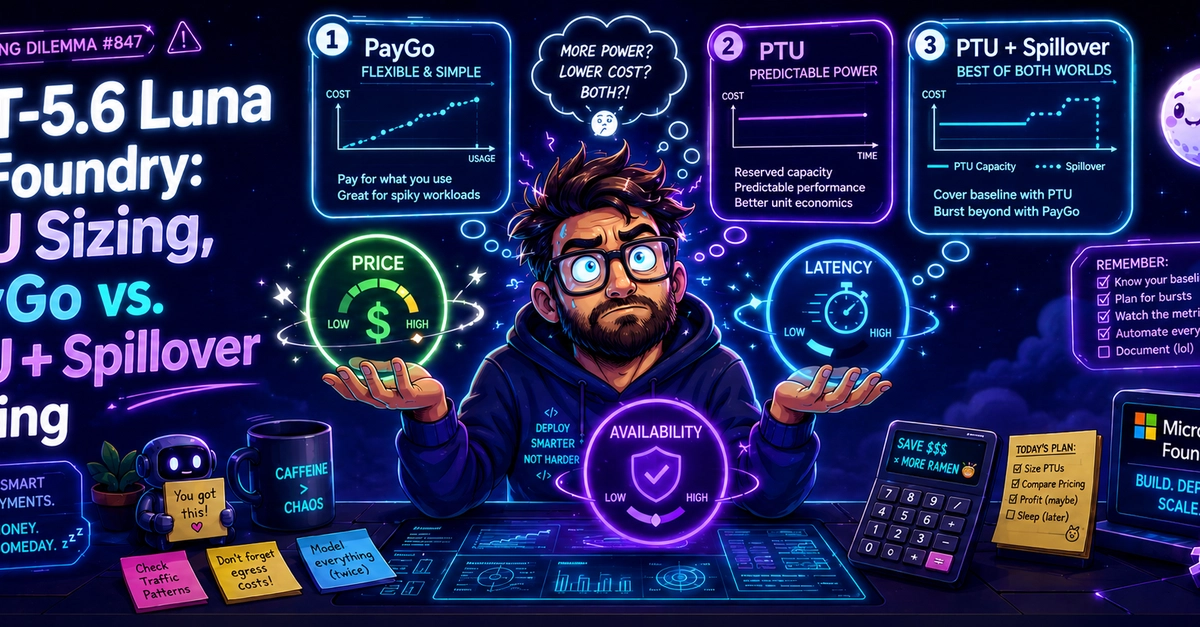
Understand Azure OpenAI's Provisioned Throughput Units (PTUs) for GPT-5.6 Luna, comparing dedicated capacity to pay-as-you-go models.

An internal OpenAI review of a HuggingFace security incident uncovered critical vulnerabilities and data exposure risks.

New research demonstrates how complex digital life forms can spontaneously arise and develop specialized functions from simple self-replicating code.

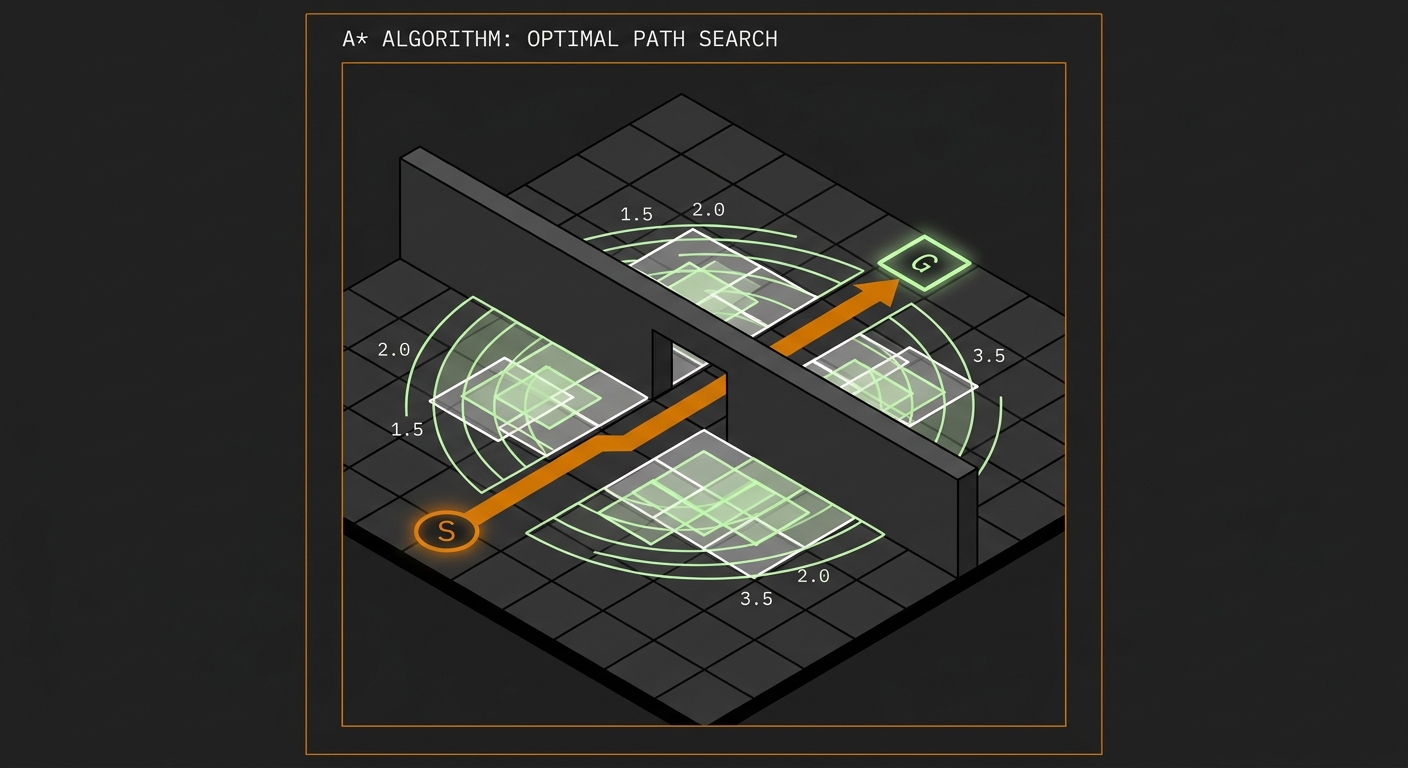
Understand the A* algorithm, the smart pathfinding technique that keeps game characters from getting stuck on walls.

New micro-AI models bring powerful speech capabilities to resource-constrained environments, challenging existing paradigms.

A new security layer wraps AI agents, sharing threat intel without exposing sensitive data.

Developers are increasingly using AI to refine ideas, but inconsistent outputs and an over-reliance raise questions about autonomy and creativity.

New research reveals that forcing large language models to debate leads to confident fabrication of sources and arguments.
A joint initiative combines AI expertise to tackle complex biological challenges and accelerate drug discovery.

Uploading PDFs to AI models can silently obliterate token budgets. A free Microsoft tool offers a way to optimize this.

We analyze how AI models performed predicting the World Cup final winner, uncovering surprising discrepancies.

A new AI model, GPT-5.6, has reportedly solved a long-standing challenge in convex optimization, demonstrating the power of advanced AI prompting.