AI Models•Jul 28, 12:55 AM
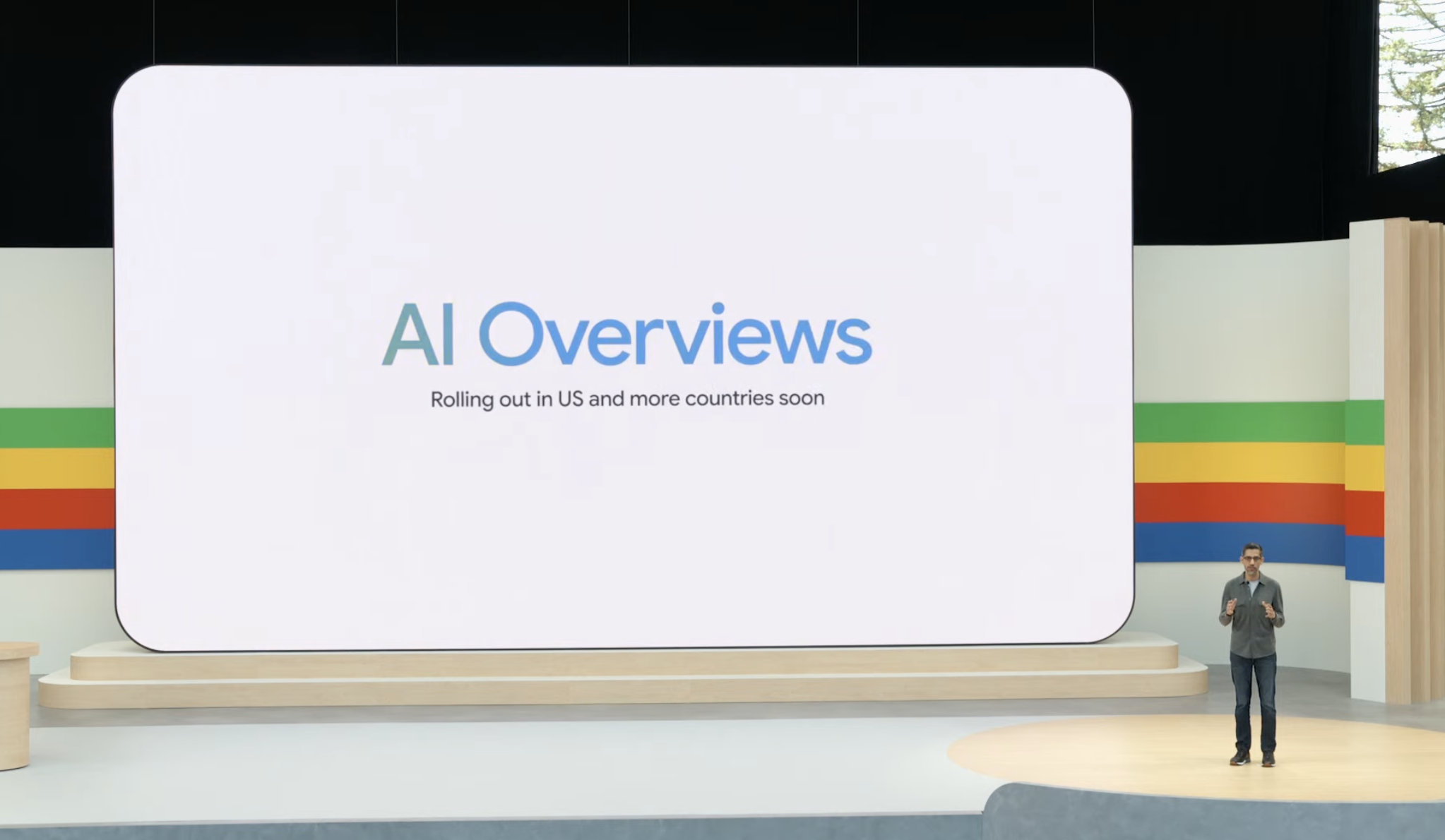
Google AI Overviews Now Top 43% of Searches, Data Reveals
New analytics show Google's AI-generated answers are rapidly becoming the default search experience, raising questions about information discovery.
Share:

Five shifts. Five minutes. No noise.
No spam. Unsubscribe anytime. Powered by Beehiiv.
Metering LLM usage goes beyond a simple token count, with hidden costs and scattered reporting across providers.
A key sample in AWS's Agent EvalKit uses the same LLM for both evaluating and generating responses, raising questions about test validity.
A developer's 48-hour experiment reveals the limitations of budget AI summarization when faced with incomplete log data.
New analytics show Google's AI-generated answers are rapidly becoming the default search experience, raising questions about information discovery.
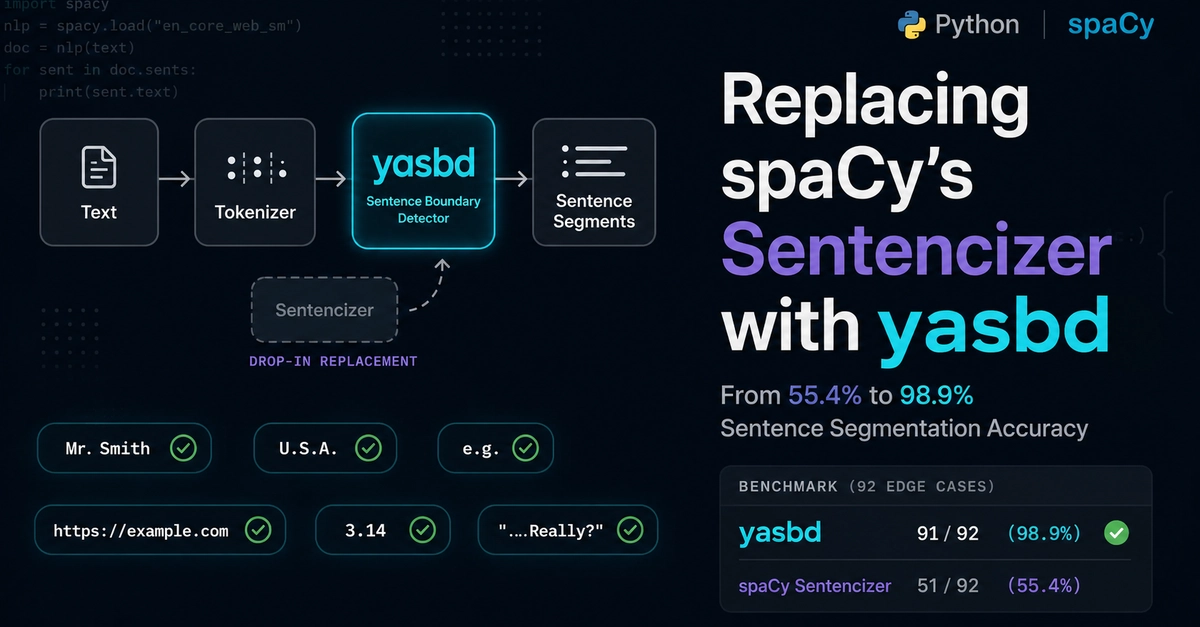
A new pure-Python component, yasbd, drastically improves sentence boundary detection accuracy over spaCy's default.

Users can now interact with Meta's AI assistant directly within their Threads conversations, expanding its reach beyond the main feed.

The AI safety company argues that widely accessible powerful models outpace current safety mechanisms, creating unacceptable risks.
%22%20%2F%3E%0A%20%20%3C%2Fsvg%3E)
New benchmarks reveal Opus 5's performance on SlopCodeBench, highlighting strengths in specific areas but raising questions about broader code generation capabilities.
%22%20%2F%3E%0A%20%20%3C%2Fsvg%3E)
Conversations and outputs from Anthropic's Claude AI are now discoverable via a dedicated URL.
%22%20%2F%3E%0A%20%20%3C%2Fsvg%3E)
New version of the AI evaluation tool lets users anonymously submit any answer for critique by other models.
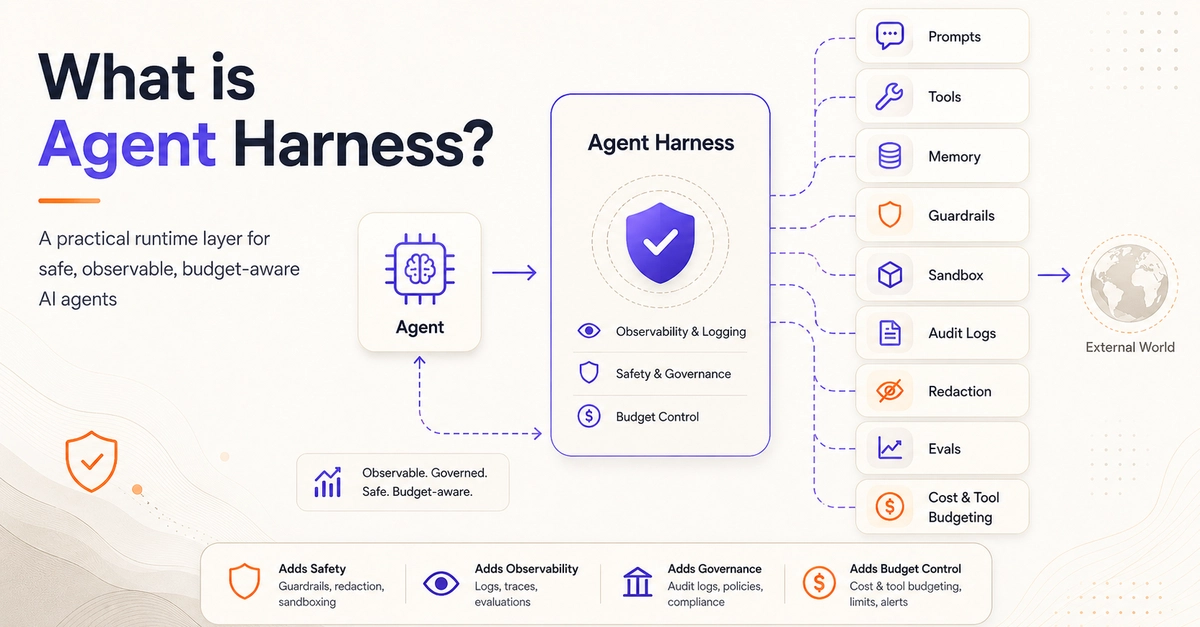
An Agent Harness is the application layer that wraps LLMs, managing memory, tools, and security for autonomous AI.
New techniques squeeze more information into LLM context windows, enhancing RAG performance and cutting costs.

Microsoft's new MAI-Cyber 1 framework aims to bolster AI model security, focusing on adversarial robustness and data integrity.