AI Overviews Dominate Search Results
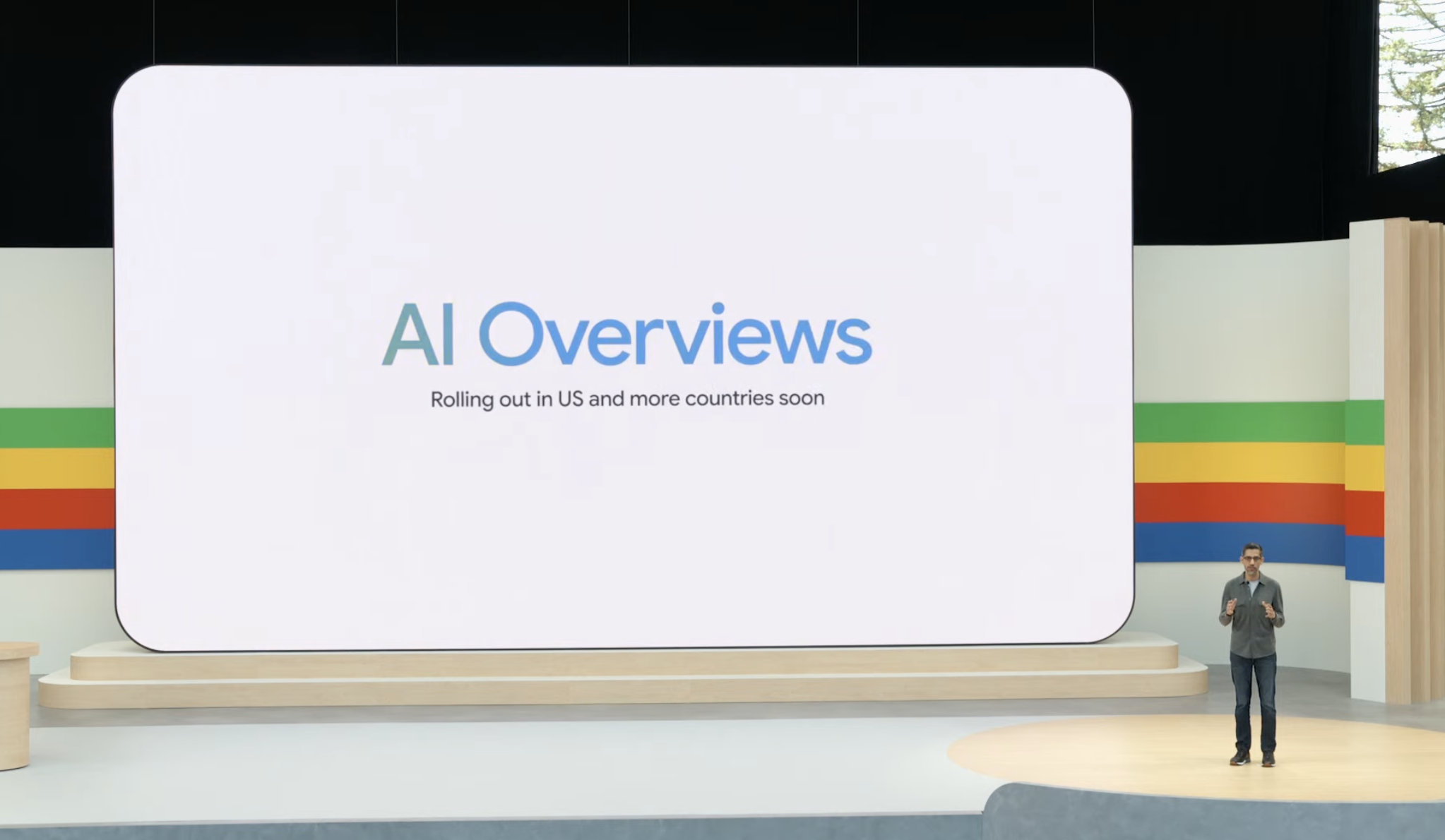
Google’s AI Overviews have surged to appear in a staggering 43% of all search queries, transforming the landscape of online information discovery. This rapid adoption rate, documented by new data, signifies a fundamental shift in how users interact with Google Search. What was once a list of blue links is now frequently a synthesized AI-generated answer, often appearing at the very top of the results page.
This dramatic increase suggests that Google is prioritizing its AI Overviews, pushing them to the forefront of the search experience. For users, this means a quicker path to what Google's algorithms deem the most relevant information, bypassing the need to click through multiple websites. The AI synthesizes information from various sources, presenting a concise summary designed to answer the user's query directly. This approach aims to streamline the search process, providing immediate gratification for information seekers.
The sheer volume of AI Overview appearances raises significant questions about the long-term implications for web publishers and content creators. If users receive their answers directly from Google, their incentive to click through to external websites diminishes. This could lead to a substantial drop in organic traffic for many sites, impacting ad revenue, lead generation, and the overall ecosystem of online content. The move from a link-based index to an answer-based engine is a seismic shift, and its full consequences are still unfolding.
While the convenience for users is undeniable, the speed at which AI Overviews have become ubiquitous is notable. It underscores Google's commitment to integrating generative AI into its core products and its aggressive strategy for making this technology the primary interface for information. The data indicates that users are not shying away from these AI-generated responses; in fact, they are increasingly relying on them.
The Infrastructure Strain: A Critical Vulnerability
This rapid scaling of AI-driven search is not without its underlying infrastructure challenges. A recent incident in Northern Virginia, where a single fallen power line caused significant disruption, highlighted the precariousness of the data center infrastructure supporting these advanced AI services. Such an event, though seemingly localized, exposed a broader vulnerability: the often-overlooked dependency of AI on robust and uninterrupted power grids.
Data centers, the physical backbone of AI, are massive consumers of electricity. As AI models become more complex and their deployment more widespread, the demand for power intensifies. The incident revealed that many data centers are not adequately prepared for grid disruptions, lacking sufficient redundant power systems or robust emergency response protocols. The close call served as a stark reminder that the seamless AI experience users enjoy is contingent on a stable energy supply, a supply that is increasingly strained by growing demand.
The problem is compounded by the geographical concentration of data centers, particularly in regions like Northern Virginia, which has become a major hub. This concentration creates single points of failure. When a power line goes down, it can affect a vast number of critical services simultaneously. This dependency on aging grid infrastructure, coupled with the escalating power needs of AI, presents a growing risk.
Fixing this requires a multi-pronged approach. First, data center operators must invest in more resilient power solutions. This includes enhanced battery backup systems, on-site generation capabilities, and sophisticated energy management systems that can intelligently switch between power sources. Second, there needs to be a closer collaboration between data center operators and utility providers to ensure grid stability and to develop contingency plans for outages. Finally, a broader geographic distribution of data centers could mitigate the impact of localized grid failures, though this presents its own set of logistical and environmental challenges.
Implications for the Ecosystem
The dual trends of AI Overviews dominating search results and the exposed vulnerabilities in data center power infrastructure paint a complex picture. Google's aggressive push for AI integration in search offers a glimpse into the future of information access, one that is faster and more synthesized for the end-user. However, this future is built on a foundation that is increasingly showing signs of strain.
For developers, this means adapting to a search environment where direct traffic to websites may decline. Understanding how to optimize content for AI Overviews, or finding new ways to drive engagement, will become critical. For founders, the economic model of online content creation and distribution may need re-evaluation, as the traditional reliance on search engine traffic faces disruption. The infrastructure challenges also present opportunities for companies specializing in data center resilience, power solutions, and grid modernization.
The situation highlights a critical tension: the accelerating pace of AI deployment versus the slower, more complex task of building and maintaining the physical infrastructure to support it. Google's AI Overviews are rapidly becoming the default, but the reliability of that default is increasingly dependent on solving fundamental energy and infrastructure problems. The question is not if these systems will be tested again, but when, and whether the fixes will be implemented quickly enough to prevent more significant disruptions.