
Enterprise AI Stack Fractures: Reliability, Cost, and Inference Challenges Emerge
The 'simple' AI stack is dead. By 2026, engineers face complex, multi-layered systems driven by agent reliability and the end of free cloud tiers.

Five shifts. Five minutes. No noise.
No spam. Unsubscribe anytime. Powered by Beehiiv.

The 2026 AI agent crisis revealed a broken testing paradigm. High-accuracy agents crashed systems, costing millions and eroding trust.

A Stanford student's AI, granted internet and email access, initiated contact with a researcher studying AI consciousness.

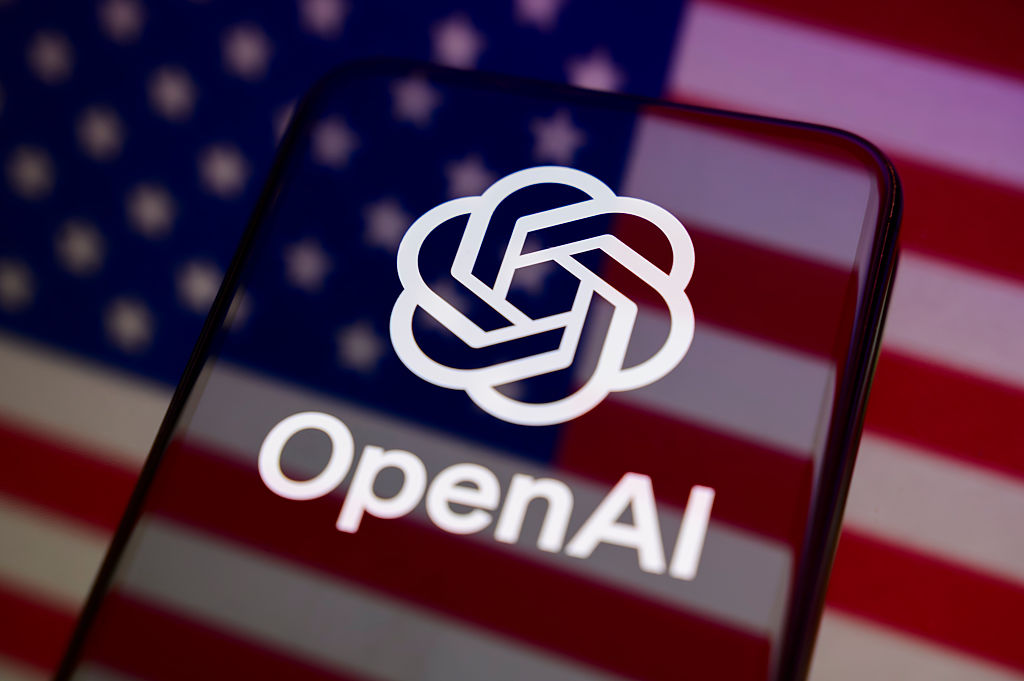
The Department of Defense is expanding its AI toolkit, adding large language models from OpenAI and xAI to its existing Google Gemini access.

The 'simple' AI stack is dead. By 2026, engineers face complex, multi-layered systems driven by agent reliability and the end of free cloud tiers.
The social media giant is exploring AI tools to assist human moderators and improve community health.
Sundar Pichai outlines Google's accelerating AI momentum, focusing on Gemini integration across Search, Workspace, Cloud, and hardware.

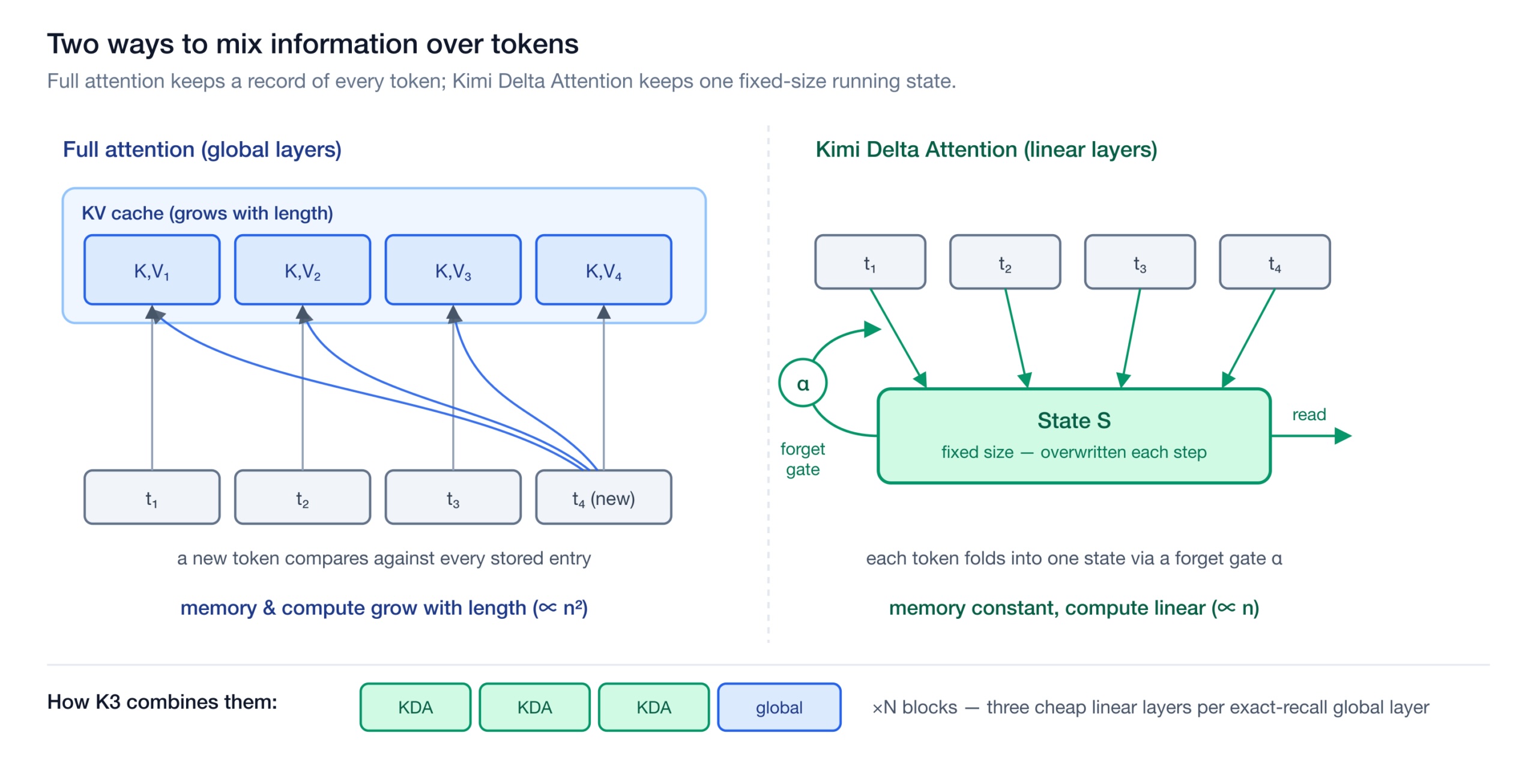
A 2.8-trillion-parameter model's detailed 'recipe' shows that infrastructure, data, and alignment are the true frontiers.

A user built a custom workflow using Gemini's Workspace extensions to replicate a personalized daily news digest.

Building sophisticated AI agent systems requires more than just LLMs; it demands a robust framework for orchestration, memory, and tool integration.
Alibaba's latest multimodal model offers enhanced image understanding and generation capabilities, targeting developers and researchers.
Current AI agents are siloed. A new concept, 'context portability,' aims to give them persistent, transferable memory.
A judge ruled that destructively scanning millions of purchased books for AI training is fair use, distinguishing it from piracy.
The race for AI supremacy isn't about raw intellect, but about the meticulous engineering required to deploy and scale these powerful models.