
Developers•Jul 8, 10:37 PM
Hica Embraces Functional Programming for Robust Software Development
Hica introduces its core principles of functional programming, emphasizing immutability and pure functions for predictable, scalable applications.
Share:
Five shifts. Five minutes. No noise.
No spam. Unsubscribe anytime. Powered by Beehiiv.
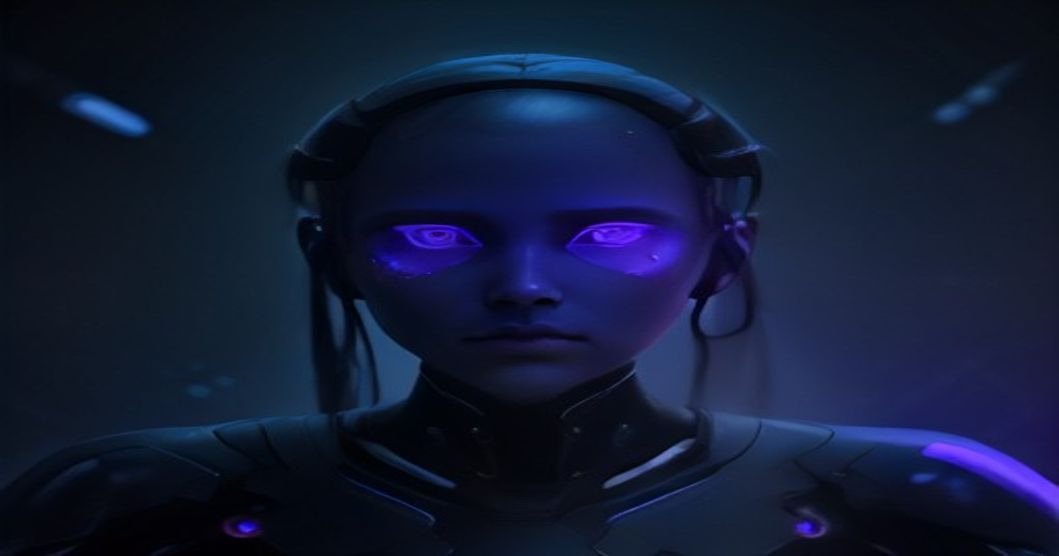
AI will reshape your work and life. Here's the minimum preparation you need to navigate the coming changes.

Developers face a challenge: abstracting diverse API inputs into a single, AI-friendly schema.

Nautilus project tightens security by allowing only designated users to manage cron jobs, starting with App Server 3.
AI agents are moving beyond simple tasks to complex workflows, while GPU shortages continue to drive up costs, and persistent security vulnerabilities plague the tech landscape.
Hica introduces its core principles of functional programming, emphasizing immutability and pure functions for predictable, scalable applications.

Build, containerize, and deploy a Node.js API to a local Kubernetes cluster using kind and YAML.
New ONNX-optimized Pyannote model splits conversations into individual utterances, demonstrating real-time processing capabilities.

Explore how a single AI agent task for writing daily reports manifests differently in the foundational FROST and its more detailed counterpart, FROST-SOP.
Building a semantic search bot for internal docs revealed hidden complexities in chunking and embedding.

Enterprises face a stark choice: ban LLM tools or risk non-compliance due to PII handling failures.
A solo developer is building an AI engine from scratch in C++, eschewing frameworks and seeking C++ experts to join.
Understand how distinct query engines access and interpret a single Apache Iceberg table on object storage.

AI promises to accelerate drug discovery, but a closer look reveals the immense challenges and human ingenuity still required.

New techniques allow AI agents to push back against flawed instructions, improving code quality and developer trust.