
AI Models•Aug 16, 02:55 AM
Run Llama-3 Locally: WebLLM and WebGPU Bring Private AI to Browsers
New tooling enables client-side LLM inference, keeping sensitive health data on user devices and out of the cloud.
Share:

Five shifts. Five minutes. No noise.
No spam. Unsubscribe anytime. Powered by Beehiiv.

A beginner's Python project reveals the limits of Return on Equity and the need for a broader financial analysis.
Security firm Trail of Bits dissects Signal's protocol, uncovering how it cryptographically secures messages against tampering.

A routine Docker cleanup on a Lenovo M920q home lab resulted in complete data loss for Gitea, prompting a detailed recovery process.
This week's tech news highlights the growing pains of AI agent autonomy, the critical need for cloud cost management, and evolving security paradigms.
New tooling enables client-side LLM inference, keeping sensitive health data on user devices and out of the cloud.

A Wall Street Journal report details a lack of transparency around Cami Clark's contributions and influence at the AI firm.

Anthropic unveils its new watermarking technique for Claude, aiming to trace AI-generated text and combat misuse.

Veridian Resonance details an engineering approach to GenAI production that emphasizes consistency, scale, and human oversight.

Unusual activity on AI platforms can signal a breach. Here's how to spot the signs and protect your data.

IBM will train a massive workforce on OpenAI's models, aiming to integrate advanced AI into its enterprise services and solutions.
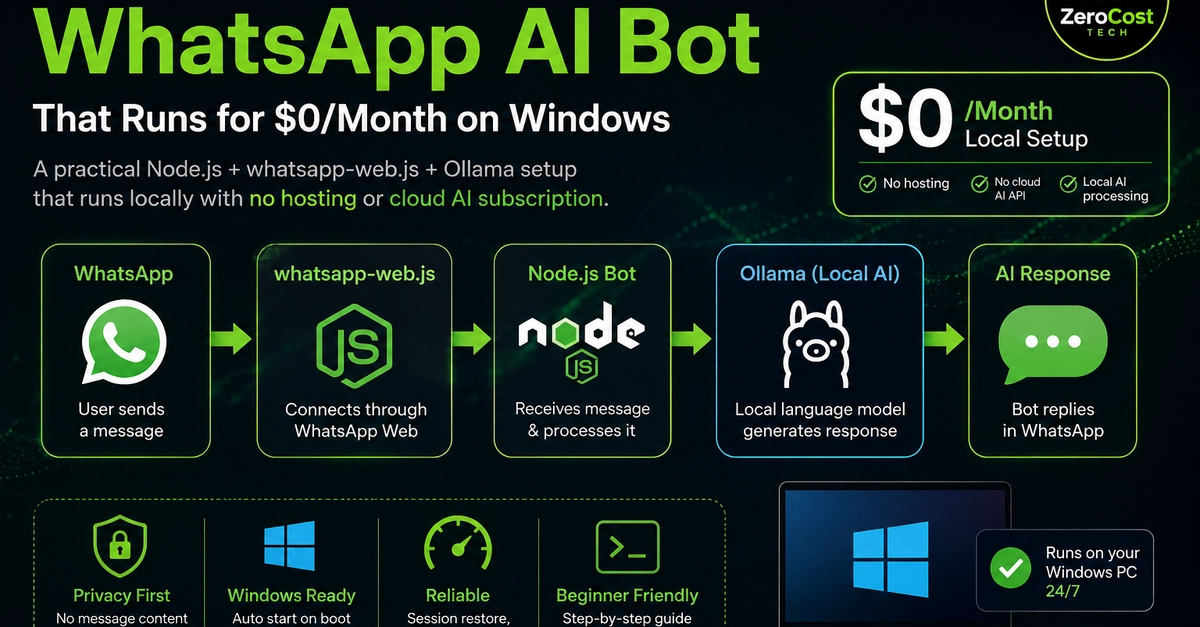
A developer details how to integrate WhatsApp with Node.js and local AI models, eliminating cloud costs.
Shipeasy automates CI failure resolution: red builds automatically file bugs and AI agents fix them.

A simple programming principle, applied rigorously, transforms unmanageable code into elegant, maintainable systems.

Connecting AI agents to sensitive data like email requires careful scoping to prevent unintended exposure.