The Shifting Sands of Software Quality
For years, the benchmark for a successful software deployment was straightforward: did the code work? Did the buttons trigger the right API calls? Did the application avoid crashing into a 500 error under basic usage? If the feature met these technical acceptance criteria, it was deemed ready for production. The intricacies of content formatting, SEO optimization, or ensuring a seamless mobile experience were often relegated to other departments – the copy team, marketing, or dedicated testers following rigid QA checklists. The developer’s job, in this model, was done once the code compiled and performed its core function. This “it works on my machine” mentality, while perhaps efficient for isolated code tasks, proved fundamentally insufficient as user expectations and the complexity of digital products grew.
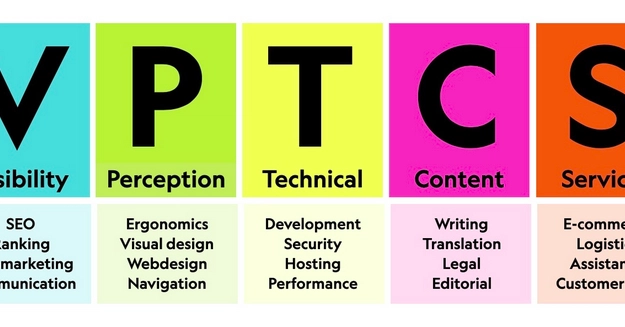
The reality of modern product launches reveals a stark truth: a technically functional feature is useless if users cannot find it, cannot use it effectively across devices, or if its presentation hinders comprehension. Failures are no longer solely attributed to backend meltdowns. Instead, products falter because they become invisible to search engines, render as broken puzzles on mobile screens, or suffer from unreadable layout issues. This shift in failure modes fundamentally alters the role of Quality Assurance. It moves QA from a gatekeeper of code functionality to a guardian of the entire user experience, demanding a multi-dimensional approach that integrates technical correctness with business objectives and user needs.

Integrating SEO, Accessibility, and UX into QA
The modern QA professional must now possess a broader skillset, extending far beyond traditional bug hunting. Understanding Search Engine Optimization (SEO) is no longer solely the purview of marketing. QA teams need to verify that crucial SEO elements are correctly implemented: meta tags are present and accurate, structured data is valid, and content is crawlable. A feature that works perfectly but is invisible to Google is a commercial failure. Similarly, accessibility has transitioned from a niche concern to a fundamental requirement. QA must now assess applications against WCAG (Web Content Accessibility Guidelines) standards, ensuring usability for individuals with disabilities. This includes checking for keyboard navigation, sufficient color contrast, ARIA attribute implementation, and screen reader compatibility. Failure to address accessibility can lead to legal repercussions and alienate a significant portion of potential users.
User Experience (UX) is another critical dimension. This involves more than just checking if buttons are clickable. QA needs to evaluate the intuitiveness of the user flow, the responsiveness of the interface across various devices and screen sizes, and the overall aesthetic coherence. Are there unexpected layout shifts? Is the typography legible on a small screen? Does the application feel fluid and responsive, or clunky and slow? These are questions that traditional QA might have overlooked, assuming they fell under design or front-end development. However, without a QA perspective that actively validates these aspects, features can be released that are technically sound but frustrating or confusing to users, ultimately undermining the product’s success.
The Collaboration Imperative
This expanded scope necessitates a profound change in how QA teams operate and collaborate. The old model of QA as a final gate before release, working in isolation, is obsolete. Modern QA must be integrated into the development lifecycle from the outset. This means participating in requirements gathering, design reviews, and sprint planning. Developers and QA engineers must work hand-in-hand, with developers taking on more responsibility for initial testing and QA providing continuous feedback throughout the development process. This shift is often described as a move towards “Shift-Left” testing, where quality is built into the product from the earliest stages, rather than being inspected at the end.
The “it works on my machine” excuse is a relic. In a world of diverse operating systems, browsers, devices, and network conditions, a feature’s reality is defined by its performance in the wild, not on a developer’s local setup. QA’s role is to bridge the gap between the developer's code and the user's reality. This requires a proactive, holistic, and collaborative approach. It means QA professionals need to be more than just bug finders; they must be advocates for the user, experts in diverse testing methodologies, and strategic partners in product development. The success of a product now hinges on this multi-dimensional understanding of quality, ensuring that code doesn't just function, but delivers genuine value and a positive experience to every user, everywhere.