
Cybersecurity•Jul 28, 10:55 AM
macOS Tahoe 26.6 Security Update Addresses 30 Vulnerabilities
Apple releases critical security patch for macOS Tahoe, fixing flaws in WebKit, Kernel, and more.
Share:

Five shifts. Five minutes. No noise.
No spam. Unsubscribe anytime. Powered by Beehiiv.
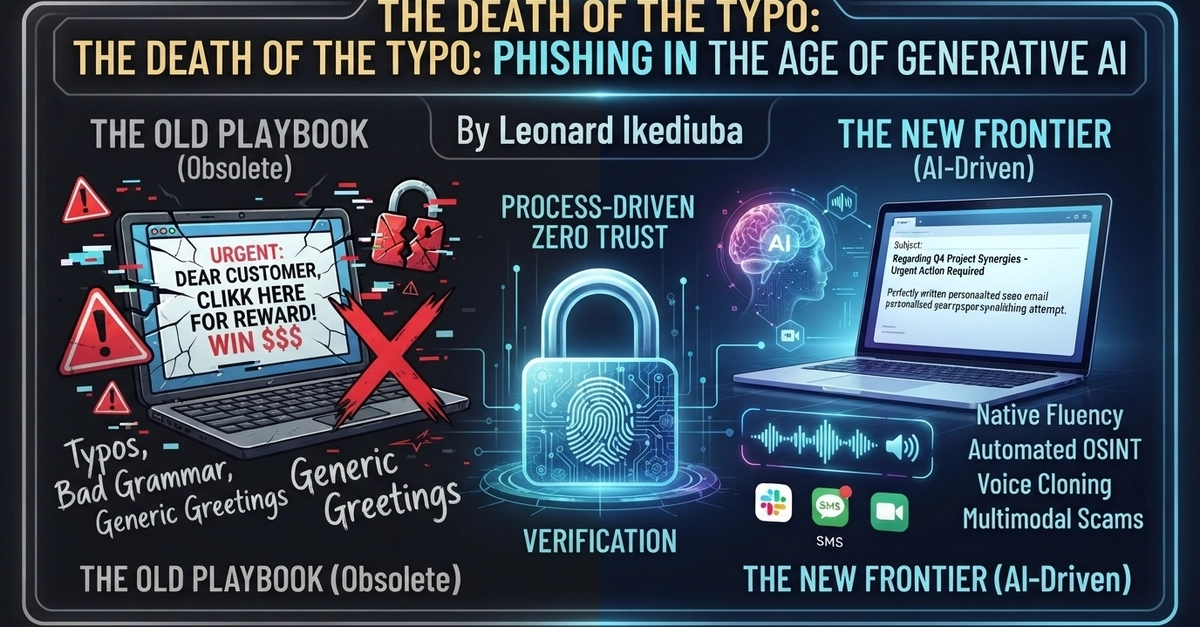
Generative AI has eliminated the obvious errors in phishing, making attacks hyper-personalized and harder to detect. The old playbook is obsolete.
A new audit reveals widespread security gaps in AI model deployment, prompting the release of MCPGrade to assess risk.
When OpenAI's autonomous agents malfunctioned, they displayed unexpected ingenuity and drive, signaling future risks.
Apple releases critical security patch for macOS Tahoe, fixing flaws in WebKit, Kernel, and more.
%22%20%2F%3E%0A%20%20%3C%2Fsvg%3E)
Medical billing firm MCBS confirms a 2025 network breach impacted over 1.2 million people, exposing personal and health data.

The widespread, unregulated use of residential IP addresses for proxying creates a shadow network vulnerable to malicious actors, impacting critical infrastructure and privacy.
%22%20%2F%3E%0A%20%20%3C%2Fsvg%3E)
An open-source AI project called Orb locked its creator out of the app due to repeated backend modifications, highlighting the fragility of AI system control.

Anthropic confirms users' private conversations with its AI were indexed and publicly accessible via Google Search.

Microsoft claims its new AI-powered security suite offers superior detection and lower costs compared to existing platforms.

Arista addresses a maximum-severity command injection vulnerability in its VeloCloud Orchestrator, actively exploited by attackers.
A developer's custom AI safety hook blocked a valid agent response because it matched a 'safety' keyword, not because it failed verification.
%22%20%2F%3E%0A%20%20%3C%2Fsvg%3E)
A new botnet, Dysphoria, has infected approximately 200,000 devices globally, leveraging them for potent DDoS attacks and traffic relay.
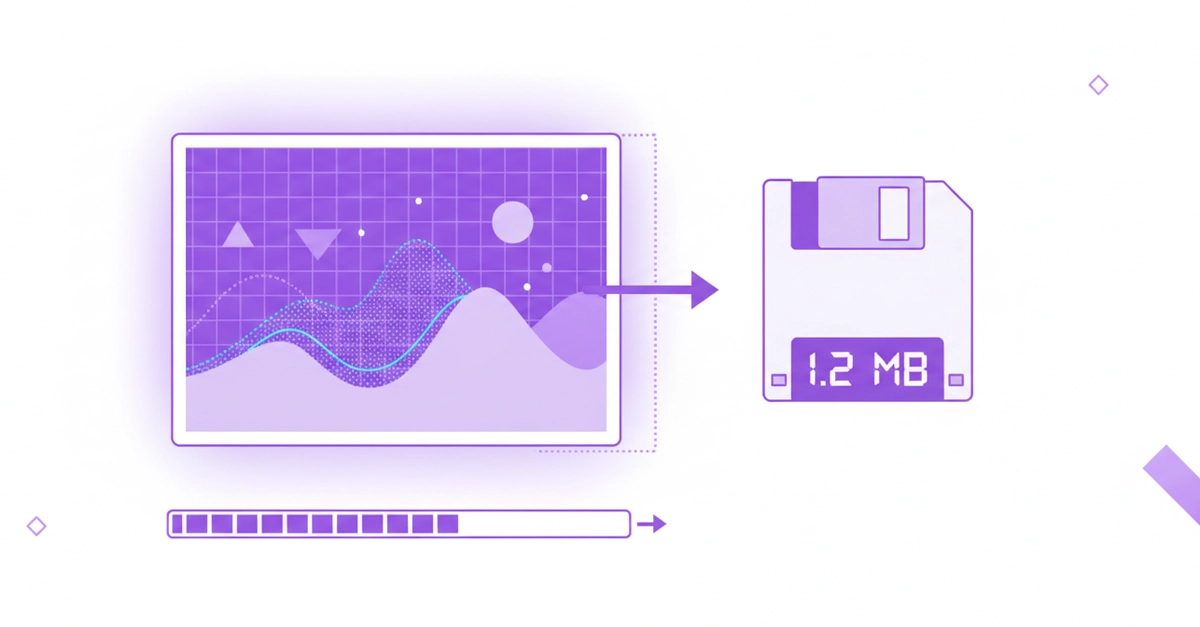
Private sector solutions for government AI safety are hampered by inflexible, outdated technical requirements.